Nobility and directory

Nobility of the Ottoman Empire

History and Register of the Nobility of the Ottoman Empire

Jurisdiction
Ottoman Empire
Entry type
Directory
Editorial status
Reviewed - Verified
Thumbnail for version as of 18:56, 13 May 2011

Nobility of the World

Volume VIII – Turkey

Ottomanarms.jpg

The History and Register of the Nobility of the Ottoman Empire

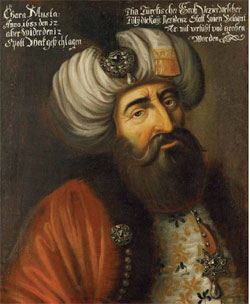
The Ottoman Empire or Ottoman State (Ottoman Turkish: دولتْ علیّه عثمانیّه Dawlet-il Aliyyat-il Osmāniyye, Modern Turkish: Osmanlı İmparatorluğu or Osmanlı Devleti), also known by its contemporaries as the Turkish Empire or Turkey (see the other names of the Ottoman State), was an empire that lasted from 1299 to November 1, 1922 (as an imperial monarchy) or July 24, 1923 (de jure, as a state). It was succeeded by the Republic of Turkey, which was officially proclaimed on October 29, 1923.
ottoman-empire.jpg

Titles and Styles of the Ottoman Empire

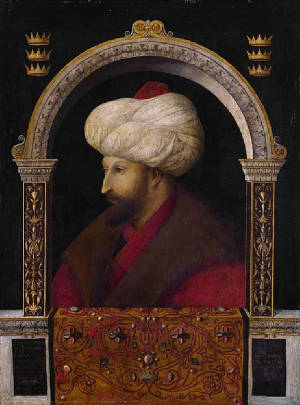
This is a list of Ottoman titles and appellations. Muslims in the Ottoman Empire carried titles such as “Pasha”, “Hoca”, “Bey”, “Hanım”, “Efendi”, etc. These titles either defined their formal profession (such as Pasha, Hoca, etc.) or their informal status within the society (such as Bey, Hanım, Efendi, etc.). The sovereigns main titles were Han, (Great) Sultan and Padishah, of Arabic viz. Persian origin. His full style was the result of a long historical accumulation of titles expressing the empires rights and claims as successor to the various states it annexed or subdued. Beside all these imperial titles, “Caesar” of Rome (Kayser-i Rûm) is also one of the main one among the other titles which is claimed by Sultan Mehmed II since the conquest of Constantinople.
ottoman-nobility.jpg

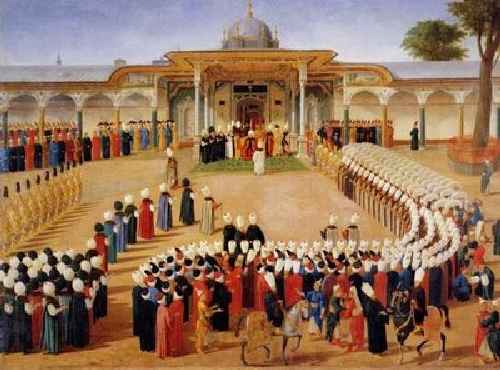
A late version translates as: Sultan (given name) Khan, Sovereign of the House of Osman, Sultan of Sultans, Khan of Khans, Commander of the Faithful and Successor of the Prophet of the Lord of the Universe, Protector of the Holy Cities of Mecca, Medina and Jerusalem, Emperor of The Three Cities of Constantinople, Andrinopole and Bursa, and of the Cities of Damascus and Cairo, of all Azerbaijan, of the Magris, of Barka, of Kairuan, of Aleppo, of Arabic Iraq and of Ajim, of Basra, of El Hasa, of Dilen, of Raka, of Mosul, of Parthia, of Diyarbakır, of Cicilia, of the Vilayets of Erzurum, of Sivas, of Adana, of Karaman, Van, of Barbary, of Abyssinia, of Tunisia, of Tripoli, of Damascus, of Cyprus, of Rhodes, of Candia, of the Vilayet of the Morea, of the Marmara Sea, the Black Sea and also its coasts, of Anatolia, of Rumelia, Baghdad, Kurdistan, Greece, Turkistan, Tartary, Circassia, of the two regions of Kabarda, of Georgia, of the plain of Kypshak, of the whole country of the Tartars, of Kefa and of all the neighbouring countries, of Bosnia and its dependencies, of the City and Fort of Belgrade, of the Vilayet of Serbia, with all the castles, forts and cities, of all Albania, of all Iflak and Bogdania, as well as all the dependencies and borders, and many other countries and cities.
AbdulHamidII.jpg

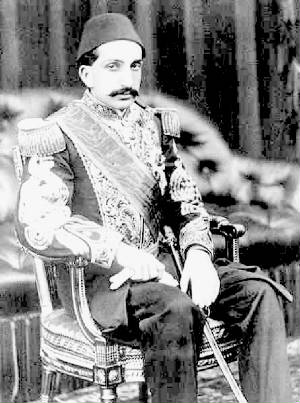
The Heir Apparent was styled in full: Daulatlu Najabatlu Vali Ahad-i-Sultanat (given name) Effendi Hazlatlari, i.e. Crown Prince, with the style of His Imperial Highness. Other Male descendants of a Sovereign in the male line: Daulatlu Najabatlu Shahzada Sultan (given name) Hazretleri Effendi, i.e. Prince (given name) Effendi, with the style of His Imperial Highness. The husbands of Imperial Princesses: Damad-i-Shahyari (given name) Bey Effendi, the latter, only if not possessed of a higher rank or title, with the style of His Highness. The sons of Imperial Princesses: Sultanzada (given name) Bey-Effendi, i.e. Prince, with the style of His Highness. The daughters of Imperial Princesses: (given name) Hanimsultan ,i.e. Princess, with the style of Her Highness. The grandsons of Imperial Princesses merely: (given name) Bey. The granddaughters of Imperial Princesses merely: (given name) Hanim.
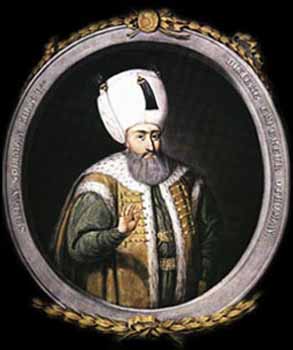
suleiman.jpg

Ottoman Titles during the time of Suleiman

Titles and appellations in the time of Suleiman the Magnificent, from Albert Howe Lybyer’s book “The government of the Ottoman empire in the time of Suleiman the Magnificent”:

  • Agha, a general officer.
  • Ajem-oghlan (Agiamoglani, lanicerotti [Italianized]) (untrained youth), a cadet or apprentice Janissary.
  • Akinji (Achiar, Aconiziae, Aghiar, Alcangi, Alcanzi, Alengi, Aquangi, laching, Yachinji), the irregular cavalry.
  • Alai Bey, a colonel of the feudal cavalry.
  • Ameji, a receiver of petitions, etc.
  • Arpa-emini, intendant of forage.
  • Ashji-bashi, a chief cook.
  • Azab, the irregular infantry.
  • Berat-emini, a distributor of ordinances.
  • Beylerbey (lord of lords), a general of feudal cavalry and governor of a province or group of provinces.
  • Beylikji, a director of the three chancery bureaus.
  • Beylik Kalemi, a bureau of the Chancery.
  • Binbashi (chief of a thousand), a colonel.
  • Boluk-bashi (Balucasi), a captain of the Janissaries.
  • Bostanji, a gardener.
  • Bostanji-bashi, the head gardener of the Sultan’s palace – a high official.
  • Carmandari (Italianized), muleteers.
  • Cavriliji (Italianized), a herdsman.
  • Chakirji, a vulturer.
  • Chasnejir, a taster.
  • Chasnejir-bashi, a chief taster.
  • Chaush (Ciaus), an usher.
  • Chaush-bashi, chief of the Chaushes – a high official.
  • Chelebi, a gentleman.
  • Cheri-bashi (chief of soldiery), a petty officer of feudal cavalry.
  • Chokadar, a page of high rank.
  • Danishmend (Talisman), a master of arts.
  • Defterdar, a treasurer.
  • Defter-emini (intendant of account-books), a recorder of fiefs.
  • Deli, crazy (appellation of a scout or a captain of the Akinji).
  • Dervish, a member of a Muslim religious order.
  • Deveji, a camel-driver.
  • Emin (plural Umena), an intendant.
  • Emir, a descendant of the prophet Mohammed.; a commander, a governor.
  • Emir-al-Akhor (Imbrahor, Imbroor, Imrakhor, or Imror, Miri-akhor), a grand equerry.
  • Ghureba (Caripicus, Caripy, Ciarcagi) (foreigner), a member of the lowest corps of the standing cavalry.
  • Gonnullu, a volunteer soldier or sailor.
  • Hekim-bashi, a chief physician.
  • Helvaji-bashi (Calvalgibassi), a chief confectioner.
  • Hoja (Cogia), a teacher; the Sultan’s adviser.
  • Ikinji Kapu-oghlan, a white eunuch in charge of the second gate of the palace.
  • Imam, the Caliph or lawful successor of Mohammed; a leader of daily prayers.
  • Iskemleji (Scheni), a page of high rank.
  • Itch-oghlan (inside j’outh), a page in one of the Sultan’s palaces.
  • Jebeji-bashi (Hebegibassi), a chief armorer.
  • Jerrah-bashi, a chief surgeon.
  • Kaim, a caretaker of a mosque.
  • Kanuni, legislator.
  • Kapu Aghasi (Capagasi) (general of the gate), the white eunuch in charge of the principal palace.
  • Kapudan Pasha, an admiral.
  • Kapuji, a gatekeeper.
  • Kapuji-bashi (Capiagabasi), a head gatekeeper.
  • Kapujilar-kiayasi, a grand chamberlain.
  • Kazi (Kadi), a judge.
  • Kazasker (Cadilescher, Kadi al asker, Kadi ‘ esker) (judge of the army), one of the two chief judges of the Ottoman Empire.
  • Kharaji (Carzeri, Caragi), a non-Muslim who pays the kharij.
  • Khatib, a leader of Friday prayers.
  • Khazinehdar-bashi (Casnandarbasi, Khazinchdar-bashi), a treasurer-in-chief.
  • Khazineh-odassi (chamber of the treasury), the second chamber of pages.
  • Khojagan, a chief of a treasury bureau.
  • Kiaya (Cacaia, Cahaia, Caia, Checaya, Chechessi, Chiccaia, Chietcudasci, Gachaia, Ketkhuda, Quaia, Queaya) (common form of ketkhuda), a steward or lieutenant.
  • Kiaya-bey, the lieutenant of the grand vizier.
  • Kiaya Katibi, a private secretary of the Kiaya-bey.
  • Kilerji-bashi, a chief of the sultan’s pantry.
  • Kizlar Aghasi (general of the girls), the black eunuch in charge of the palace of the harem.
  • Kul, a slave; one of the sultan’s slave-family.
  • Masraf-shehriyari (imperial steward), substitute for the intendant of kitchen.
  • Mektubji, a private secretary of the grand vizier.
  • Mihter (Mecter), a tent-pitcher; a musician.
  • Mihter-bashi, the chief tent-pitcher.
  • Mir Alem, the imperial standard bearer.
  • Molla, a judge of high rank.
  • Mosellem, a fief holder by ancient tenure.
  • Muderis, a professor in a Medresseh.
  • Muezzin, one who calls Muslims to prayer.
  • Mufettish, a special judge dealing with endowments.
  • Mufti, a Muslim legal authority; in particular, the Sheik ul-Islam.
  • Muhtesib, a lieutenant of police.
  • Mujtahid, a doctor of the Sacred Law.
  • Mulazim (candidate), a graduate of the higher Medressehs.
  • Munejim-bashi, a chief astrologer.
  • Muste emin, a resident foreigner.
  • Mutbakh-emini, intendant of the kitchen.
  • Muteveli, an administrator of an endowment.
  • Naib, an inferior judge.
  • Nakib oI-Eshraf, the chief of the Seids or descendants of the prophet Mohammed.
  • Nazir, an inspector of an endowment.
  • Nishanji, a chancellor.
  • Nizam al-mulk, basis of the order of the kingdom (title of a vizier of Melek Shah).
  • Oda-bashi (head of chamber), the page of highest rank; a corporal of the Janissaries.
  • Papuji, a page of high rank.
  • Pasha (Bascia, Bassa), a very high official.
  • Peik, a member of the body-guard of halbardiers.
  • Reis Effendi, or Reis ul-Khuttab, a recording secretary; a recording secretary of the Divan, later an important minister of state.
  • Rekiab-Aghalari (generals of the stirrup) , a group of high officers of the outside service of the palace.
  • Rusnamehji, a chief book-keeper of the Treasury.
  • Sakka, a water-carrier.
  • Sanjak-bey, a high officer of feudal, cavalry and governor of a Sanjak.
  • Sarraf, a banker.
  • Segban-bashi (Seymen-bashi) (master of the hounds), the second officer of the corps of Janissaries.
  • Seid, a descendant of the prophet Mohammed.
  • Seraskier, a commander-in-chief.
  • Serraj, saddlers.
  • Shahinji, a falconer.
  • Sharabdar (Seracter) (drink-bearer), a page of high rank.
  • Shehr-emini (Saremin), intendant of imperial buildings.
  • Sheik, a preacher; a head of a religious community.
  • Sheik ul-Islam, the Mufti of Constantinople and head of the Muslim Institution.
  • Sherif, a descendant of the prophet Mohammed.
  • Silihdar (Selicter, Sillictar, Suiastrus, Suluphtar) (sword-bearer), a member of the second corps of standing cavalry; the page who carried the sultan’s arms.
  • Sofi, woolen; a dervish (an appellation of the Shah of Persia).
  • Softa (Sukhta), an undergraduate in a Medresseh.
  • Solak (left-handed) , a janissary bowman of the sultan’s personal guard.
  • Spahi (Sipah, Sipahi, Spachi, Spai), a cavalry soldier; a member of the standing or feudal cavalry.
  • Spahi-oghlan (Spacoillain) (cavalry youth), a member of the highest corps of the standing cavalry.
  • Subashi, a captain of the feudal cavalry and governor of a town.
  • Sultana, a princess or queen mother; (the true Turkish form uses a proper name or the word Valideh, followed by Sultan).
  • Tahvil Kalemi, a bureau of the Chancery.
  • Terjuman, an interpreter (dragoman).
  • Terjuman Divani Humayun, a chief interpreter of the sultan.
  • Teshrifatji, a master of ceremonies.
  • Teskereji, a master of petitions.
  • Teskereji-bashi (chief of document-writers), the Nishanji.
  • Timarji, the holder of a Timar.
  • Ulufaji (Ouloufedgis, Allophase, Holofagi) (paid troops), a member of the third corps of the sultan’s standing cavalry.
  • Veznedar, an official weigher of money.
  • Vizier (burden-bearer), a minister of state.
  • Voivode (Slavic), an officer, a governor.
  • Yaya, a fief holder by ancient tenure, owing infantry service.
  • Yaziji (laxagi), a scribe or secretary.
  • Zagarji-bashi (master of the harriers), a high officer of the Janissaries.
  • Zanijiler (Italianized), lancers or Voinaks.
  • Zarabkhane-emini, intendant of mints and mines.
  • Ziam, the holder of a Ziamet.
ottoman-emperor.jpg

Other Titles of the Ottoman Empire

  • Agha (or Agha): commander, a title junior to Bey and conferred on military officers on a personal basis.
  • Alp: brave warrior, a title conferred during the early years of Ottoman rule.
  • Amir ul-Muminin: Commander of the Faithful, one of the many titles of the Sultan of Turkey.
  • Bey: a title junior to Pasha and conferred on civil and military officers on a personal basis; also borne as a curtesy title for the sons of a Pasha.
  • Bey Effendi: part of the title of a husband and sons of an Imperial Princess.
  • Beylerbeyi (or Beglerbegi): Lord of Lords. An office signifying rule over a great province, equivalent to Governor-General. The office entitled the holder to the personal title of Pasha.
  • Beyzade: son of a Bey, a courtesy title borne by a son of a Bey Effendi.
  • Binbashi: (literally head of 1000) Major (army) or Commander (navy). The holder of the rank enjoyed the title of Effendi.
  • Khalif (also Caliph or Khalifa): Successor (of the Prophet).
  • Khalif ur-Rasul Rub al-A’alimin: Successor of the Prophet of the Lord of the Universe. The highest earthly title of the Muslim world, enjoyed by the Sultans of Turkey after their conquest of Egypt in 1517.
  • Damad-i-Shahriyari: Imperial son-in-law, title conferred on the husbands of Imperial Princesses.
  • Effendi: master, title equivalent to Esquire; frequently used together with higher titles in order to indicate signify enhanced status. Used by the sons of Sultans from the reign of Sultan ‘Abdu’l Majid I.
  • Ferik: Lieutenant-General (army) or Vice-Admiral (navy). The holder of the rank enjoyed the title of Pasha.
  • Ghazi: victorious, a title conferred on leaders who distinguished in war.
  • Gözde: noticed (by the Sultan). Style borne by junior ladies of the Harem when first gaining favour from the Sultan.
  • Khadim ul-Haramain us-Sharifain: Protector of the Holy Cities of Mecca and Medina, a title awarded to Salim I by the Sherif of Mecca.
  • Haji (or Hacci): honorific used for men who have made the pilgrimage to Mecca.
  • Hakhan ul-Barrayun wa al-Bahrain: Lord of the Lands and Seas, one of the many titles of the Sultan.
  • Haseki Kadin Effendi: Lady favourite, title borne by junior ladies of the Harem, who had borne a daughter to a Sultan.
  • Haseki Sultana: Princess favourite, title borne by junior ladies of the Harem, who had borne a son to a Sultan, usually limited to the first four or six to become mothers.
  • Hazretleri: style equivalent to Highness.
  • Kaimakam: Lieutenant-Colonel (army) or Commander (navy). The holder of the rank enjoyed the title of Bey.
  • Khan (or Hân): a title signifying sovereign or ruler in Turkey, but a very junior title signifying a male noble, or even a mere name, in other parts of the Muslim world.
  • Khakhan: Khan of Khans, one of the many titles of the Sultan of Turkey.
  • Khanum: female of Khan, equivalent to Lady.
  • Khanum Effendi: title borne by the official wives of Imperial Princes.
  • Khanum Sultana: Princess Lady, title borne by the daughters of Imperial Princesses.
  • Kizlar Aghasi: Chief of the Eunuchs. The office entitled the holder to the style of His Highness.
  • Iqbal (or Ikhal): fortunate, title borne by the favourite Harem ladies of a Sultan.
  • Iqbal Effendi (or Ikhal Effendi): title borne by an official favourite wife of a Sultan.
  • Kapudan Pasha: Grand Admiral or Admiral of the Fleet. The holder of the rank enjoyed the title of Pasha.
  • Lewa (or Liva): Major-General (army) or Rear-Admiral (navy). The holder of the rank enjoyed the title of Pasha.
  • Mahd-i Ulya-i-Sultanat: crade of the great Sultan, another title for the Sultan’s mother.
  • Miralai: Colonel (army) or Captain (navy). The holder of the rank enjoyed the title of Bey.
  • Mulazim Awal: Lieutenant (army) or Sub-Lieutenant (navy). The holder of the rank enjoyed the title of Effendi.
  • Mulazim Tani: Second Lieutenant (army) or Midshipman (navy). The holder of the rank enjoyed the title of Effendi.
  • Mushir: Field Marshal. The holder of the rank enjoyed the title of Pasha.
  • Nishan (or Nichan): order of chivalry or decoration of honour.
  • Padshah (or Padishah): Emperor, one of the many titles of the Sultan of Turkey.
  • Pasha: Lord, a title senior to that of Bey and conferred on a personal basis on senior civil officials and military officers. Awarded in several grades, signified by a whip, the highest rank being a whip of five Yaks tails.
  • Pashazada: son of a Pasha, used as an alternative courtesy title to Bey.
  • Sadaf-i-Durr-i-Khilafat: shell of the pearl of the caliphate, another title for the mother of the Sultan.
  • Saraskar: C-in-C.
  • Shah: King, title of Persian origin.
  • Shah-i-Alam Panah: King, refuge of the world, one of the titles of the Sultan.
  • Shahzada (or Shahzade): son of the King, title used for the sons of Sultans from the reign of Muhammad I.
  • Shahzada Hazratlari (or Shahzade Hazretleri): Imperial Highness.
  • Shaikh ul-Islam: the title held by the highest ranking Muslim religious official below the Khalif. The office entitled the holder to the personal title of Pasha together the style of His Highness.
  • Shalabi (or Cecebi): gracious lord, title borne by sons of the Sultan until the reign of Muhammad II.
  • Silahadar: Master-General of the Ordnance.
  • Sipah Salar: General of Cavalry.
  • Sultan: title borne by male members of the Imperial family, particularly after then reign of Muhammad II. When it is used before the given name, together with Khan after the name, it signifies ruler. When used before the name, Imperial Prince. When used after the name, Imperial Princess.
  • Sultan Khan: The Grand Sultan, the chief title borne by the ruler of Turkey and the Ottoman empire, equivalent to Emperor.
  • Sultan us-Selatin: Sultan of Sultan, one of the many titles of the Sultan of Turkey.
  • Sultanzada (or Sultanzade): son of a Sultan, the title borne by the sons of Imperial Princesses.
  • Sünnetçi: Circumciser.
  • Vali: Governor. The office entitled the holder to the personal title of Pasha.
  • Vali Ahad (or Veliaht): Heir Apparent or Presumptive usually translated as Crown Prince.
  • Vali Ahad Zevcesi: Heir Apparent’s wife, the title borne by the official wives of the Heir Apparent, equivalent to Crown Princess but not usually translated.
  • Valide Sultana: Princess Mother, the title borne by the mother of a reigning Sultan.
  • Vizier: bearer of the burden, i.e. Minister.
  • Vizier-i-Azam: Grand Vizier, the title borne by the incumbent Prime Minister. The office entitled the holder to the personal title of Pasha together the style of His Highness.
  • Yuzbashi (or Youzbashi): Captain (army) or Lieutenant (navy). The holder of the rank enjoyed the title of Effendi.

We use cookies to personalise content and ads, to provide social media features and to analyse our traffic. We also share information about your use of our site with our social media, advertising and analytics partners. View more
Cookies settings
Accept
Decline
Privacy & Cookie policy
Privacy & Cookies policy
Cookie name Active

Privacy and Cookie Policy Last updated: 11 August 2026

Neue Gotha respects your privacy and is committed to handling personal data lawfully, fairly, and transparently. This Privacy and Cookie Policy explains who is responsible for personal data, what information we process, why we process it, how long we retain it, who may receive it, and the rights available to individuals under the General Data Protection Regulation (EU) 2016/679 (“GDPR”) and applicable national data-protection and electronic-communications law.

1. Who is responsible for your personal data?

The controller responsible for the processing described in this policy is:

  • Legal name: Neue Gotha Historical Register gUG
  • Trading or project name: Neue Gotha
  • Postal address: Musterstraße 12, 10115 Berlin, Germany
  • Email: editor@neuegotha.de
  • EU/EEA representative: Not applicable (the controller is established in Germany).
  • Data Protection Officer: No Data Protection Officer has been appointed. Privacy enquiries are handled through editor@neuegotha.de.

Questions about this policy or requests concerning personal data may be sent to the email or postal address above.

2. Scope of this policy

This policy applies to personal data processed through https://neuegotha.com, correspondence with the Neue Gotha editorial office, material submitted for editorial consideration, and editorial or archival records concerning identifiable living individuals.

It does not govern independent third-party websites or services linked from this website. Those providers are responsible for their own privacy practices.

3. Personal data we process and why

Processing activity Personal data Purpose Legal basis Retention
Website delivery, logging, and security IP address; date and time of access; requested page or file; referring page; browser, operating-system, and device information; error and security-event data Deliver the website, maintain availability, diagnose faults, prevent abuse, and protect the website and its users Article 6(1)(f) GDPR — our legitimate interests in operating a secure and reliable website. Where processing is required by law, Article 6(1)(c) GDPR may also apply. Routine access and error logs are retained for 14 days. Records isolated for investigation of a suspected security incident may be retained for up to 90 days after the incident is resolved, or longer where required for legal claims.
Editorial correspondence and enquiries Name, contact details, message content, correspondence history, and any documents or other information voluntarily provided Respond to enquiries, assess corrections or submissions, maintain editorial records, and protect legal rights Article 6(1)(f) GDPR — our legitimate interests in conducting editorial work and responding to correspondence; Article 6(1)(b) GDPR where processing is necessary to take steps at an individual’s request before entering into a contract; Article 6(1)(c) GDPR where retention or disclosure is legally required Correspondence is ordinarily retained for 24 months after the matter closes. Material required to document an editorial decision, resolve a dispute, meet a legal obligation, or establish, exercise, or defend a legal claim may be retained for the applicable limitation period.
Editorial, genealogical, and archival records Names; titles and styles; dates and places associated with public or genealogical events; family relationships; jurisdictions, offices, and public roles; images; biographical information; source and citation information; and correspondence relating to accuracy or provenance Research, document, preserve, verify, correct, and publish material concerning dynastic, genealogical, heraldic, and institutional history Article 6(1)(f) GDPR — our legitimate interests and those of readers, researchers, and institutions in maintaining an accurate historical and genealogical reference work, subject to a documented necessity and balancing assessment. Applicable national rules implementing Article 85 GDPR concerning freedom of expression and information may also apply. For as long as the information remains relevant to the legitimate editorial or archival purpose, subject to accuracy review, correction, restriction, erasure, and applicable archiving or legal requirements
Cookie-consent and language preferences Consent choice, language preference, cookie identifiers, and related technical information Remember privacy choices, demonstrate consent where required, and provide the language selected by the visitor Article 6(1)(f) GDPR for strictly necessary preference and consent-management functions; Article 6(1)(a) GDPR for optional storage, access, or associated processing based on consent As stated in the cookie table below
Optional external services IP address, page URL, device and browser information, language choice, and service-interaction data, depending on the provider Provide optional translation, embedded content, analytics, or similar features actually enabled on the website Article 6(1)(a) GDPR — consent. Non-essential services remain disabled until consent is given. As described for each service and by the relevant provider

We do not use personal data for solely automated decisions that produce legal effects or similarly significant effects concerning individuals.

4. Editorial and archival information obtained from other sources

Neue Gotha is an editorial and historical reference project. Some information in the register may concern identifiable living individuals and may not have been collected directly from those individuals.

Depending on the record, information may be obtained from official gazettes and public registers; archives and libraries; published books and scholarly works; institutional publications; reputable news sources; publicly accessible websites; submissions from the individual concerned or their authorised representative; family representatives; and other documented sources.

The categories of information may include the categories listed under “Editorial, genealogical, and archival records” above. The material may be made available to website visitors and may be indexed by search engines. Neue Gotha seeks to use relevant, proportionate, and appropriately sourced information and to distinguish documented fact from uncertainty or editorial interpretation.

Individuals may contact the editorial office to request access, correction, contextualisation, restriction, or erasure. Requests are assessed under the GDPR and applicable national law, taking into account accuracy, source integrity, the public interest, freedom of expression and information, archival considerations, and the rights and freedoms of other people. No provision of this policy removes a right granted by applicable law.

Neue Gotha does not intentionally publish special-category personal data or information concerning criminal convictions about living individuals unless a specific lawful basis and any additional legal condition have been identified and documented.

5. Cookies and similar technologies

Cookies are small text files stored on, or read from, a visitor’s device. Similar technologies may perform comparable functions. Some are strictly necessary for a website or a service expressly requested by the visitor. Others, including many analytics, advertising, social-media, translation, or embedded-content technologies, require prior consent under applicable EU electronic-communications rules.

Neue Gotha does not place or access non-essential cookies, or activate non-essential external services, before valid consent has been given. Visitors may accept or reject optional purposes separately and may withdraw consent at any time by selecting the permanently available “Cookie settings” control. Withdrawing consent does not affect processing that was lawful before withdrawal. Strictly necessary technologies cannot be disabled through the consent tool, but they may be controlled through browser settings where technically possible.

The following table reflects the technologies currently deployed on the website. It is updated whenever a plugin, host, analytics tool, embedded service, or cookie configuration changes.

Name Provider Purpose Category Duration Third-party access
_scc_session Neue Gotha / managed hosting and site-control provider Maintains a short-lived session for website security and site-control functions Strictly necessary Browser session The contracted hosting or site-control provider may access the identifier when providing technical support
_tccl_visit Neue Gotha / managed website-analytics provider Distinguishes a single website visit and reduces duplicate counting within the same session Analytics — disabled until consent 30 minutes Yes; the contracted analytics provider processes the identifier on Neue Gotha’s behalf
_tccl_visitor Neue Gotha / managed website-analytics provider Assigns a pseudonymous visitor identifier used to produce aggregated website-usage statistics Analytics — disabled until consent 12 months Yes; the contracted analytics provider processes the identifier on Neue Gotha’s behalf
googtrans Neue Gotha / Google Translate Stores or applies the visitor’s language selection for the translation feature Functional — disabled until consent 12 months Google may receive technical and service-interaction data when Google Translate is activated
ng_gt_default_applied Neue Gotha / website translation plugin Records whether the website’s default translation setting has been applied Functional — disabled until consent 24 hours No direct vendor access is assumed; Google may receive data if activation causes Google Translate to load
eu_cookies_bar_consent Neue Gotha / locally hosted EU Cookies Bar plugin Stores the visitor’s cookie choices and prevents the banner from being shown unnecessarily Strictly necessary 6 months No, provided the consent plugin remains locally hosted and does not transmit consent records to its developer
wordpress_test_cookie Neue Gotha / WordPress Checks whether the browser supports cookies when an authorised user visits the sign-in page Strictly necessary Browser session No; the cookie is processed by Neue Gotha and its contracted host

Authorised editorial users may receive WordPress authentication, security, or preference cookies when they sign in. wordpress_logged_in_[hash] maintains an authenticated session for up to two weeks when “Remember Me” is selected; wordpress_sec_[hash] protects administrative access for the session; and wp-settings-[user_id] stores an editor’s interface preferences for up to one year. These internal cookies are processed solely for editorial access and site administration.

6. Google Translate, web fonts, and other external content

Where enabled with the visitor’s consent, Neue Gotha may use Google Translate to provide machine-generated translations. Activating the service may cause the visitor’s browser to connect to Google and disclose technical information such as the IP address, requested page URL, browser or device information, and language or service-interaction data. Machine translations may contain errors and do not replace the original editorial text.

Website fonts are hosted locally by Neue Gotha and do not require a connection to Google. Google Translate remains an optional external service that is activated only after the visitor provides consent.

Information about Google’s processing is available in the Google Privacy Policy and Google’s explanation of how it uses information from sites and applications that use its services.

Embedded material from another website may allow that provider to process personal data as if the visitor had visited the provider directly. Non-essential embeds remain blocked until consent is obtained. Each enabled provider is identified in this policy and in the consent interface.

7. Recipients of personal data

Personal data may be disclosed only where necessary to:

  • hosting, content-delivery, backup, website-maintenance, email, security, and consent-management providers acting under contract;
  • translation, analytics, media, or other external-service providers selected by the visitor through the consent interface;
  • professional advisers, insurers, auditors, or other specialists where necessary to protect legal or operational interests;
  • courts, regulators, law-enforcement bodies, or public authorities where disclosure is required or permitted by law; and
  • the public and search engines where personal data form part of a lawfully published editorial or archival record.

8. International data transfers

Some service providers may process personal data outside the European Economic Area. Where the GDPR restricts such a transfer, Neue Gotha relies on an applicable European Commission adequacy decision or appropriate safeguards under Article 46 GDPR, such as the European Commission’s Standard Contractual Clauses, together with supplementary measures where required.

Cloudflare and Google may transfer limited technical information to recipients in the United States. Where the recipient is validly certified, the transfer is based on the European Commission’s adequacy decision for the EU–US Data Privacy Framework. Where that mechanism is unavailable or does not cover a transfer, the relevant provider’s European Commission Standard Contractual Clauses and supplementary technical and organisational measures are used. Information about the applicable safeguards, including how to obtain a copy, may be requested from editor@neuegotha.de.

9. How long we retain personal data

We retain personal data only for as long as necessary for the purposes described in this policy, including security, editorial integrity, source verification, dispute resolution, and compliance with legal obligations. The specific periods or criteria are stated in the processing and cookie tables above.

When a retention period ends, information is deleted or anonymised unless continued retention is required by law, is necessary for legal claims, or is justified by a documented editorial or archival purpose. Encrypted rolling backups are retained for 35 days and are then overwritten automatically, unless a backup has been isolated for incident recovery or a legal hold.

10. Security

Neue Gotha uses appropriate technical and organisational measures designed to protect personal data against accidental or unlawful destruction, loss, alteration, unauthorised disclosure, or access. No method of internet transmission or electronic storage is completely secure, and absolute security cannot be guaranteed.

11. Your data-protection rights

Subject to the conditions and limitations in the GDPR and applicable national law, an individual may have the right to:

  • obtain confirmation as to whether personal data concerning them are processed and request access to those data;
  • request correction of inaccurate or incomplete personal data;
  • request erasure of personal data;
  • request restriction of processing;
  • object, on grounds relating to their particular situation, to processing based on legitimate interests;
  • receive personal data they provided in a structured, commonly used, machine-readable format and transmit those data to another controller where the right to portability applies;
  • withdraw consent at any time, without affecting the lawfulness of processing carried out before withdrawal; and
  • lodge a complaint with a competent data-protection supervisory authority.

To exercise a right, contact editor@neuegotha.de. Please identify the information or record concerned and the nature of the request. We may request information reasonably necessary to verify identity and protect personal data from unauthorised disclosure. Requests are normally answered within one month, subject to any extension permitted by law.

Where a request concerns published editorial or archival content, applicable rights may be limited where necessary and proportionate to reconcile data protection with freedom of expression and information or other rights recognised by law. Each request will be assessed individually.

12. Complaints

We encourage individuals to contact us first so that we can try to resolve a concern. Individuals also have the right to complain to the supervisory authority in the EU or EEA country of their habitual residence, place of work, or the place of the alleged infringement.

For this Berlin-based controller the supervisory authority is the Berliner Beauftragte für Datenschutz und Informationsfreiheit, Alt-Moabit 59–61, 10555 Berlin, Germany; telephone +49 30 13889-0; email mailbox@datenschutz-berlin.de; website https://www.datenschutz-berlin.de/.

13. Children

The website is intended as a general historical and reference resource and is not directed specifically at children. We do not knowingly request personal data directly from children for an online service requiring parental consent. If you believe a child has provided personal data inappropriately, please contact us.

14. Changes to this policy

We may update this policy when our processing activities, service providers, technologies, or legal obligations change. The current version will be published on this page with a revised “Last updated” date. Where required, we will provide additional notice or request renewed consent before introducing a new processing purpose.

Decline All
Save settings Accept All
Cookies settings