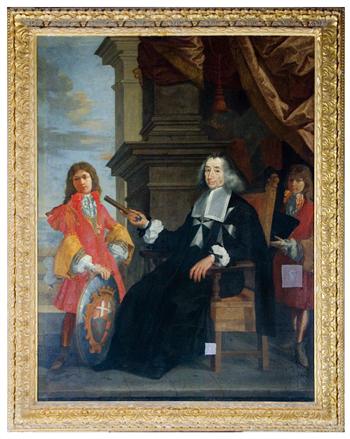
Nobility and directory

Nobility of Malta

History and Register of the Nobility of Malta

Jurisdiction
Malta
Entry type
Directory
Editorial status
Reviewed - Verified
Thumbnail for version as of 18:56, 13 May 2011

Nobility of the World

Volume VIII – Malta

Coat of arms of Malta.svg
Source: Wikimedia Commons

The History and Register of the Nobility of Malta

The Maltese nobility is the aristocracy which has historically ruled over Malta or owned parts of the islands under foreign rule. It now consists of those titles of nobility recognised by the United Kingdom and those titles never presented to, or failed recognition by, the Royal Commission.
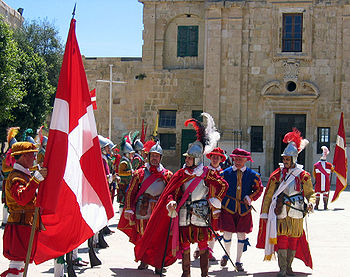
Malta_Knights.jpg

In ancient time, in Malta there existed a great many “Titles”, some acquired during the various reign of Sicilian and Italian sovereigns and others under other various monarchs. There were a total of 81 Fiefs before 1530, and each Fief holder was the equivalent of Nobility. The fief holders automatically acquired the status of “Noble” and with this right went the right to sit on the local Government of the islands without election. Under the crown of Sicily , the Maltese nobles occupied the most important administrative offices in their homeland.
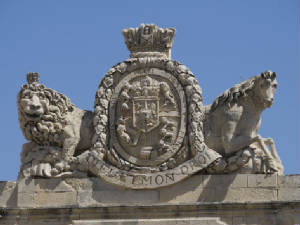
grand-master-of-malta.jpg

The Nobility Under the Knights

Charles V ceded the island to the order of St. John of Jerusalem in 1530.

Nobility was extended under the monarch of Sicily until 1530, was further extended during the rule of the Grand Masters of St. John of Jerusalem (1530-1798).
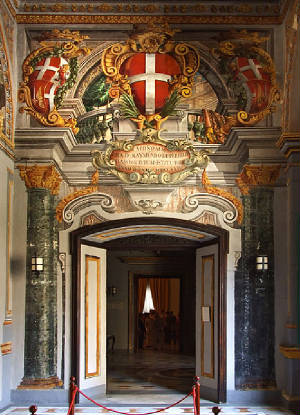
GrandMastersPalace-Malta.jpg

The Titles Created by the Grand Masters

21 “titolati”* (with the exception of one; Gheriexem & Tabia, where the fief was already known to exist).

13 “titolati”* recognised by The Order of St. John and of the 81 Fiefs, namely Bieb ir rua (Beberrua), Baccari, Buleben, Buonocale, San Martino, Gomerino, Buqana and Djar il bniet, Hemsija, Migarro, Ghajn Rihani, Marsa, Qlejja, Tabria, Gariexem (Gheriexem) and Budach, the reason being that many of these fiefs were lost, confiscated or sold, like the Falsone and Xiberras to name but a few.

2, “titolati”* of the baronial fiefs granted by the Kings of Sicily we may mention two; Djar il bniet and Buqana. These two Baronies are the premier titles of Malta and Gozo.

The Nobility under the Grand Masters Rule (1530-1798)

35 Titles of Nobility were granted, whilst 14 by 4 Kings, two Popes, a Duke and an Empress during the reign of the Grand Masters.
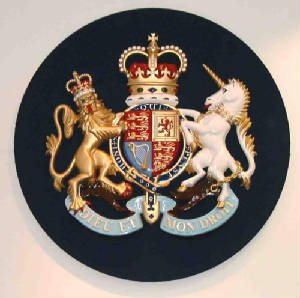
british-coat-of-arms.jpg

The Nobility of Malta listed by British Rule

Under the rule of the British Monarchy, a ‘Commission” was set up to investigate the claims of the “Titolati” or “Titleholders”. Early in the year 1877, General Sir Charles Van Straubenzee (1872-78), Governor and commander in chief of Malta , decided to appoint two judges of her Majesty’s court of Justice to form a Commission to investigate the claims of the “Titolati” or “Titleholders” in Malta . On 10th December 1877, the British government instituted a Report of the Royal Commission composed of two eminent Maltese Judges, Dr. S. Naudi and Dr. F. Pullicino and to assist them the Government Notary and Archivist was to act as clerk to the commission.

The reason for this commission and report, was to investigate claims of nobility from 1876 and afterwards, instigated by a letter written by the Marchese Cassar Desain, complaining at the shabby way Nobles were treated during the visit of His Royal Highness the Prince of Wales, and claiming that they as noblemen, who should take precedence over the members of the Chamber of Commerce. Dated 16th March 1876, Valletta , addressed to the Governor and written by the Committee (of Privileges of Maltese Nobility). In return the Marchese received a reply from the Chief Secretary’s Office in Valletta , over the signature of Victor Houlton.

  • 1. Counts of Bahria (1)
  • 2. Counts of Beberrua (1)
  • 3. Barons of Benwarrad (1)
  • 4. Counts Bernard (2)
  • 5. Barons von Brockdorff (2)
  • 6. Marquises Bugeja – (Extinct) (2)
  • 7. Barons of Buleben (1)
  • 8. Counts of the Byzantine Empire (3)
  • 9. Marquises Cassar De Sain (1)
  • 10. Barons of Castel Cicciano (1)
  • 11. Counts of Catena (1)
  • 12. Counts Ciantar Paleologo (1)
  • 13. Dukes of Pagnacia – (Abeyance) (2)
  • 14. Marquises de Piro (Buttigieg de Piro (2)) and Barons of Budaq (1)
  • 15. Barons of Djar il-Bniet e Buqana (1)
  • 16. Marquises of Fiddien (1)
  • 17. Count Fournier and Baron de Pausier (1 & 2)
  • 18. Baron of Frigenuini (3)
  • 19. Marquises Drago and Barons Gabella della Scanntura di Trapani (2)
  • 20. Barons Gauci Apap – (Extinct) (4)
  • 21. Marquises of Ghajn Qajjed (1)
  • 22. Barons of Ghajn Rihani (3)
  • 23. Counts of Ghajn Tuffieha (1)
  • 24. Barons of Gheriexem e Tabia (1)
  • 25. Marquises of Gnien is-Sultan (1)
  • 26. Barons of Gomerino (1)
  • 27. Barons of Grua (1)
  • 28. Counts Gualtieri (3)
  • 29. Barons Inguanez (4)
  • 30. Barons of Baccari (3)
  • 31. Count Magro and Magri – (Extinct) (4)
  • 32. Marquises Mattei (2)
  • 33. Barons of Montagna di Marzo (2)
  • 34. Counts of Mont’Alto (1)
  • 35. Signores di Mugiarro (3)
  • 36. Counts Preziosi (1)
  • 37. Barons of Qlejja (1)
  • 38. Princes de Sayd e Bibino Magno (3)
  • 39. Marquises of San Giorgio (1)
  • 40. Barons of San Giovanni (1)
  • 41. Barons of San Marciano (1)
  • 42. Barons of San Paolino (2)
  • 43. Counts of San Paolino d’Aquilejo (2)
  • 44. Counts Sant (1)
  • 45. Counts of Santa Sofia (3)
  • 46. Marquises of San Vincenzo Ferreri (1)
  • 47. Marquises Scicluna (2)
  • 48. Counts of Senia (1)
  • 49. Barons of Tabria (1)
  • 50. Marquises of Taflia (1)
  • 51. Counts Tagliaferro (3)
  • 52. Marquises Testaferrata (2, 3)
  • 53. Marquises Testaferrata Olivier (1)
  • 54. Counts von Zimmermann – (Abeyance) (2)
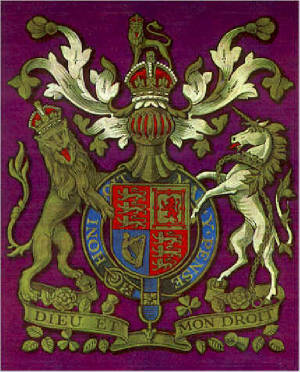
royal-arms.jpg

The list of those Titles acknowledged by the British Royal Commission

  • Barons of Djar il-Bniet (cr:1350) Kingdom of Sicily.
  • Barons of Buqana (Cr: 1372) Kingdom of Sicily.
  • Barons of Castel Cicciano (cr:1560) Kingdom of Spain and Sicily.
  • Barons of Ghariexem e Tabia (cr:1638) Knights of Malta.
  • Barons of Gomerino (cr:1710) Knights of Malta.
  • Barons of Budaq (cr:1716) Knights of Malta.
  • Marquises of San Vincenzo Ferreri (cr:1716) Kingdom of Spain and of Two Sicilies.
  • Counts Preziosi (cr:1718) Kingdom of Two Sicilies and Duchy of Savoy.
  • Counts Ciantar-Paleologo (cr:1711) Papal States .
  • Barons of San Marciano (cr:1726) Knights of Malta
  • Barons of Tabria (cr:1728) Knights of Malta.
  • Barons of Qlejjgha (cr:1737) Knights of Malta.
  • Barons of Benwarrad (cr:1737) Knights of Malta.
  • Marquises de Piro (cr:1742) Kingdom of Two Sicilies and Spain .
  • Counts of Bahria (cr:1743) Knights of Malta.
  • Counts of Catena (cr:1745) Knights of Malta.
  • Marquises Testaferrata-Olivier (cr:1745) Knights of Malta.
  • Marquises Cassar-Desain (cr:1749) Knights of Malta.
  • Counts Fournier (cr:1770) Holy Roman Empire
  • Counts Sant (cr:1770) Holy Roman Empire
  • Counts of Mont’Alto (cr:1776) Sovereign Duchy of Bourbon Parma.
  • Barons of San Giovanni (cr:1777) Kingdom of Two-Sicilies.
  • Barons of Buleben (cr:1777) Knights of Malta.
  • Marquis’s of San Giorgio (cr:1778) Knights of Malta.
  • Counts of Beberrua (cr:1783) Knights of Malta.
  • Marquis’s of Fiddien (cr:1785) Knights of Malta.
  • Marquis’s of Taflia (cr:1790) Knights of Malta.
  • Counts of Ghajn Tuffieha (cr:1792) Knights of Malta.
  • Marquis’s of Gnien is-Sultan (cr:1792) Knights of Malta.
  • Barons of Grua (cr:1794) Knights of Malta.
  • Counts of Senia(cr:1795) Knights of Malta.
  • Marquis’s of Ghajn Qajjed(cr:1796) Knights of Malta.
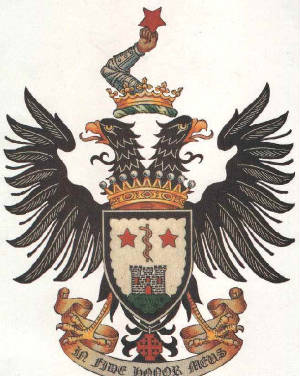
Count_Gauci.jpg

The Titles never presented to or unacknowledged by the British Royal Commission

  • Prince of Selimbria (Grecian and Holy Roman Empire )
  • Prince of Mystras (Grecian and Holy Roman Empire )
  • Principe de Sayd (Roman, Holy Roman Empire and Turkish)
  • Princes of Bibino Magno- (“Sicilian”)
  • Costanzo-Dukes of Paganica, 1758 ( Naples )
  • Mattei, Dukes of Mondello, 1796 ( Naples )
  • Marchese Bugeja (Papal)
  • Marquis Buttigieg de Piro (Spanish)
  • Marchese Drago and Feudal Barony of Gabella della Scannutura – (“Sicilian”)
  • Marchese Mattei (Papal)
  • Marquesses Scicluna (Papal)
  • Marchese Testaferrata (Spanish and Two-Siclies)
  • Counts of the Byzantine Empire (Greek)
  • Counts Bernard (Papal)
  • Counts Bianchi (Papal and Knights of St John)
  • Monsignor Count Gio Maria Camilleri (Papal)
  • Counts Ciantar (Note: French Creation)
  • Counts of Cassandola (Sicilian)
  • Count Gauci (Greek and Italian)
  • Counts Vella-Clary (Papal)
  • Magro, Papal Conte-1730.
  • Counts Magri (Papal)
  • Count of Meimun (Knights of St John )
  • Counts of Santa Sofia (French)
  • Counts of San Paolino d’Aquilejo (Sicilian)
  • Tagliaferro, Counts, 1892 (Papal)
  • Counts von Zimmermann (French and Holy Roman Empire )
  • Counts Tabone-Barbara (Papal)
  • Barons von Brockdorff (German)
  • Barons di Calaforno e Tummarello (Sicilian)
  • Barons of Montagna di Marzo (Sicilian)
  • Barons of San Paolino (Sicilian)
  • Barons de Pausier (Austria)
  • Barons of Bauvso (Sicilian)
  • Barons of Baccari (Sicilian)
  • Signors of Mugiarro (Maltese/Sicilian)

The Extinct Maltese Titles and Fiefs

  • de Bordino, Signores ta’ Barberi 1395
  • Inguanez, Barons of Hemsija
  • Landolina de Noto-Barons of Tabria
  • Pignatelli, Barons of Marsa
  • Pace-Barons of Qlejjgha
  • Asti-Barons di Maccalibim-1402
  • Attardo, Barone di Ginelfare, Migulup, e Saggajja-1361
  • Bava-Baron di Buqana, Djar-il-Bniet, e Hemsija
  • Calava-Signore “Baron” di Ghajn Qajjed, 1531
  • Montagna-Barons di la Recona, 1531
  • Maldonato-Barons di Pietro Lunga
  • Cilia-Barons di Budaq
  • Castelletti-Barons of Marsa, 1725.
  • Dorell Falzon-Barons of Marsa, 1776.
  • Azopardi-Baron of Marsa, 1753.
  • Cuzkeri-Barons of Frigenuini, 1375.
  • Mompalao-Barons of Frigenuini, 1737.
  • Pisani-Barons of Frigenuini, 1773.
  • Moscati-Marquesses di Xrobb-il-Ghajn, 1776.
  • Gauci-Baron Gauci, 1781,
  • Mompalao-Marquis di Taflia, 1783
  • Calleja-Baron of San Cosimo, 1792
  • Barbaro-Santi, 1793
  • Fenech Bonici, Count, 1748
  • Messina, Counts, Marquis., 1864
  • Apap Testaferrata, Marquis, 1889
  • Passalacqua-Barons of Budaq, 1646
  • d’Armenia-Barons of Baccara, and Benwarrad
  • Aragona and d’Avola-Barons and Counts in Malta
  • Carafa-Barons of Marsa, 1430
  • Carretto, Barons of Rayara, Salamuni and Tabria, 1408
  • Falsone, Barons, 1399.,1493.
  • Fiteni, Baron of Budaq
  • Gomez-Barons of It Scardio e Scajscach, 1374
  • Grungo-Barons di Pietra Lunga, 1513, and Jardum Grandi, 1510.
  • Gueraldi-Barons of Tabria, 1446
  • Guevara-Barons of Gnien il-Firen, Ghajn Tuffieha, Qattara, 1446 and Marsa, 1452.
  • Abela-Barons of Pietra Lunga
  • Imbroglio-Barons of Chabeville, Chamine, and Duemes, 1372
  • Lavagna, Barons, 1373
  • Leuimo, Barons, 1416
  • Mileto-Barons of Ghajn Astasi, 1372
  • Monbron, Barons, 1514
  • Nava-Barons of Marsa, 1465, Benwarrad, 1472.
  • Navarro, Barons, 1413
  • Osa-Barons of San Cosimo, 1364, Ghariexem e Tabia, 1372, Buqana, 1376, Djar-il-Bniet, 1376.
  • Perera-Barons di La Guardia, 1448
  • Perollo-Barons of Beberrua, 1465, Buleben, 1465, Buonochale, 1465, San Martino, 1466 and Gomerino, 1481.
  • Perregrino-Barons of Baccari, 1347, Ghajn Ofen, 1361, Benwarrad, 1361, * Cabelville, 1361, Jardine di lo Re, 1361, La Chase, 1361, Viridarium Magnum, 1361 and La Zacuni, 1372.
  • Ragusa-Barons of Gomerino, 1318
  • Santa Filippo-Barons di Antulinu and Galca, 1372
  • Santa Sofia-Barons of Dechandum, Ghajn Tuffieha, Bajjada, Cabesville, Nechalcadetrin, Rifutu, Sintina, Gomerino (All in 1372) and Mayaliel, 1408.
  • Sardo-Barons di Pietra Lunga, 1417
  • Solinella-Barons of Gomerino,
  • Stugnica-Barons di Saggajja, 1506, Frigenuini, 1513.
  • Taranto-Barons Pietra Lunga, 1408
  • Tarsia-Barons, 1413.
  • Torres-Barons of Fiddien, 15..
  • Unginat-Barons of Nigret, 1398
  • d’ Amedeo, Baron of Pietra Longa, 1371.
  • Vaccaro-Barons of Benwarrad, 1398, Culeja, 1400
  • Vassallo- Barons of Ghajn Rihani
  • Xiberras-Barons, 1520.
  • Zavallos-Barons di Milecha del Zoncol, 1509.
  • Caxaro, Barons, 1409.
  • Bernardo, Barons di Majmuni-1398
  • Blundio, Barons di Tabria-1416
  • Bocchio, Baron di Grua-1372
  • Catalanu, Barone di San Cosmo-1364.
  • di Bontempu, Baron-1398.
  • Fanato, Barone di Musebi-1372
  • La Barba-Barons di Tabria, Budaq..
  • Pluscaso, Barone di Maccalibim-1468.
  • Rapa , Barons.
Grand-Master.jpg

The List of the Recognised Nobility of Malta

A list of those titles acknowledged by the British Royal Commission and or recognised in either Italy, France or Spain.

  • Barons of Djar il-Bniet (cr:1350) Kingdom of Sicily.
  • Barons of Buqana (Cr: 1372) Kingdom of Sicily.
  • Barons of Castel Cicciano (cr:1560) Kingdom of Spain and Sicily.
  • Barons of Ghariexem e Tabia (cr:1638) Knights of Malta.
  • Barons of Gomerino (cr:1710) Knights of Malta.
  • Barons of Budaq (cr:1716) Knights of Malta.
  • Marquises of San Vincenzo Ferreri (cr:1716) Kingdom of Spain and of Two Sicilies.
  • Counts Preziosi (cr:1718) Kingdom of Two Sicilies and Duchy of Savoy.
  • Counts Ciantar-Paleologo (cr:1711) Papal States.
  • Barons of San Marciano (cr:1726) Knights of Malta
  • Barons of Tabria (cr:1728) Knights of Malta.
  • Barons of Qlejjgha (cr:1737) Knights of Malta.
  • Barons of Benwarrad (cr:1737) Knights of Malta.
  • Marquises de Piro (cr:1742) Kingdom of Two Sicilies and Spain.
  • Counts of Bahria (cr:1743) Knights of Malta.
  • Counts of Catena (cr:1745) Knights of Malta.
  • Marquises Testaferrata-Olivier (cr:1745) Knights of Malta.
  • Marquises Cassar-Desain (cr:1749) Knights of Malta.
  • Counts Fournier (cr:1770) Holy Roman Empire and Grand Duchy of Tuscany.
  • Counts Sant (cr:1770)Holy Roman Empire, Grand Duchy of Tuscany and the Papal States (1769).
  • Counts of Mont’Alto (cr:1776)Sovereign Duchy of Bourbon Parma.
  • Barons of San Giovanni (cr:1777) Kingdom of Two-Sicilies.
  • Barons of Buleben (cr:1777) Knights of Malta.
  • Marquises of San Giorgio (cr:1778) Knights of Malta.
  • Counts of Beberrua (cr:1783) Knights of Malta.
  • Marquises of Fiddien (cr:1785) Knights of Malta.
  • Marquises of Taflia (cr:1790) Knights of Malta.
  • Counts of Ghajn Tuffieha (cr:1792) Knights of Malta.
  • Marquises of Gnien is-Sultan (cr:1792) Knights of Malta.
  • Barons of Grua (cr:1794) Knights of Malta.
  • Counts of Senia (cr:1795) Knights of Malta.
  • Marquises of Ghajn Qajjed(cr:1796) Knights of Malta.

References

  • Cassar Desain, Marchese L.A., ” Genealogia della famiglia Testaferrata di Malta.” Malta, 1880.
  • Crispo Albero Genealogical ed Istorico della Famiglia Crispo, Messina, 1797.
  • Gauci, C.A.,” The Genealogy and Heraldry of the Noble Families of Malta”, Gulf Publishing Ltd, Malta, 1981.
  • Gauci, C.A.,” The Genealogy and Heraldry of the Noble Families of Malta, Volume Two”, Publishers Enterprises Group (PEG) Ltd, 1992.
  • Gauci, C.A.,” A Guide to the Maltese Nobility”, Publishers Enterprise Group (PEG) Ltd, Malta, 1986.
  • Giles Ash, S., “The Nobility of Malta”, Publishers Enterprises Group (PEG) Ltd, 1988.
  • A guide to Maltese Nobility – Count Charles A Gauci
  • Malta’s Nobility and the winds of change 1886-1986 Stephen D G Giles Ash
  • The Nobles of Malta 1530-1800 The Hon. Baron Dr John Attard Montalto MEP
  • Outlines of Maltese History – Rev. R.Laspina
  • History of Malta – Judge P De Bono
  • Outlines of Maltese history – A C Aquilina

We use cookies to personalise content and ads, to provide social media features and to analyse our traffic. We also share information about your use of our site with our social media, advertising and analytics partners. View more
Cookies settings
Accept
Decline
Privacy & Cookie policy
Privacy & Cookies policy
Cookie name Active

Privacy and Cookie Policy Last updated: 11 August 2026

Neue Gotha respects your privacy and is committed to handling personal data lawfully, fairly, and transparently. This Privacy and Cookie Policy explains who is responsible for personal data, what information we process, why we process it, how long we retain it, who may receive it, and the rights available to individuals under the General Data Protection Regulation (EU) 2016/679 (“GDPR”) and applicable national data-protection and electronic-communications law.

1. Who is responsible for your personal data?

The controller responsible for the processing described in this policy is:

  • Legal name: Neue Gotha Historical Register gUG
  • Trading or project name: Neue Gotha
  • Postal address: Musterstraße 12, 10115 Berlin, Germany
  • Email: editor@neuegotha.de
  • EU/EEA representative: Not applicable (the controller is established in Germany).
  • Data Protection Officer: No Data Protection Officer has been appointed. Privacy enquiries are handled through editor@neuegotha.de.

Questions about this policy or requests concerning personal data may be sent to the email or postal address above.

2. Scope of this policy

This policy applies to personal data processed through https://neuegotha.com, correspondence with the Neue Gotha editorial office, material submitted for editorial consideration, and editorial or archival records concerning identifiable living individuals.

It does not govern independent third-party websites or services linked from this website. Those providers are responsible for their own privacy practices.

3. Personal data we process and why

Processing activity Personal data Purpose Legal basis Retention
Website delivery, logging, and security IP address; date and time of access; requested page or file; referring page; browser, operating-system, and device information; error and security-event data Deliver the website, maintain availability, diagnose faults, prevent abuse, and protect the website and its users Article 6(1)(f) GDPR — our legitimate interests in operating a secure and reliable website. Where processing is required by law, Article 6(1)(c) GDPR may also apply. Routine access and error logs are retained for 14 days. Records isolated for investigation of a suspected security incident may be retained for up to 90 days after the incident is resolved, or longer where required for legal claims.
Editorial correspondence and enquiries Name, contact details, message content, correspondence history, and any documents or other information voluntarily provided Respond to enquiries, assess corrections or submissions, maintain editorial records, and protect legal rights Article 6(1)(f) GDPR — our legitimate interests in conducting editorial work and responding to correspondence; Article 6(1)(b) GDPR where processing is necessary to take steps at an individual’s request before entering into a contract; Article 6(1)(c) GDPR where retention or disclosure is legally required Correspondence is ordinarily retained for 24 months after the matter closes. Material required to document an editorial decision, resolve a dispute, meet a legal obligation, or establish, exercise, or defend a legal claim may be retained for the applicable limitation period.
Editorial, genealogical, and archival records Names; titles and styles; dates and places associated with public or genealogical events; family relationships; jurisdictions, offices, and public roles; images; biographical information; source and citation information; and correspondence relating to accuracy or provenance Research, document, preserve, verify, correct, and publish material concerning dynastic, genealogical, heraldic, and institutional history Article 6(1)(f) GDPR — our legitimate interests and those of readers, researchers, and institutions in maintaining an accurate historical and genealogical reference work, subject to a documented necessity and balancing assessment. Applicable national rules implementing Article 85 GDPR concerning freedom of expression and information may also apply. For as long as the information remains relevant to the legitimate editorial or archival purpose, subject to accuracy review, correction, restriction, erasure, and applicable archiving or legal requirements
Cookie-consent and language preferences Consent choice, language preference, cookie identifiers, and related technical information Remember privacy choices, demonstrate consent where required, and provide the language selected by the visitor Article 6(1)(f) GDPR for strictly necessary preference and consent-management functions; Article 6(1)(a) GDPR for optional storage, access, or associated processing based on consent As stated in the cookie table below
Optional external services IP address, page URL, device and browser information, language choice, and service-interaction data, depending on the provider Provide optional translation, embedded content, analytics, or similar features actually enabled on the website Article 6(1)(a) GDPR — consent. Non-essential services remain disabled until consent is given. As described for each service and by the relevant provider

We do not use personal data for solely automated decisions that produce legal effects or similarly significant effects concerning individuals.

4. Editorial and archival information obtained from other sources

Neue Gotha is an editorial and historical reference project. Some information in the register may concern identifiable living individuals and may not have been collected directly from those individuals.

Depending on the record, information may be obtained from official gazettes and public registers; archives and libraries; published books and scholarly works; institutional publications; reputable news sources; publicly accessible websites; submissions from the individual concerned or their authorised representative; family representatives; and other documented sources.

The categories of information may include the categories listed under “Editorial, genealogical, and archival records” above. The material may be made available to website visitors and may be indexed by search engines. Neue Gotha seeks to use relevant, proportionate, and appropriately sourced information and to distinguish documented fact from uncertainty or editorial interpretation.

Individuals may contact the editorial office to request access, correction, contextualisation, restriction, or erasure. Requests are assessed under the GDPR and applicable national law, taking into account accuracy, source integrity, the public interest, freedom of expression and information, archival considerations, and the rights and freedoms of other people. No provision of this policy removes a right granted by applicable law.

Neue Gotha does not intentionally publish special-category personal data or information concerning criminal convictions about living individuals unless a specific lawful basis and any additional legal condition have been identified and documented.

5. Cookies and similar technologies

Cookies are small text files stored on, or read from, a visitor’s device. Similar technologies may perform comparable functions. Some are strictly necessary for a website or a service expressly requested by the visitor. Others, including many analytics, advertising, social-media, translation, or embedded-content technologies, require prior consent under applicable EU electronic-communications rules.

Neue Gotha does not place or access non-essential cookies, or activate non-essential external services, before valid consent has been given. Visitors may accept or reject optional purposes separately and may withdraw consent at any time by selecting the permanently available “Cookie settings” control. Withdrawing consent does not affect processing that was lawful before withdrawal. Strictly necessary technologies cannot be disabled through the consent tool, but they may be controlled through browser settings where technically possible.

The following table reflects the technologies currently deployed on the website. It is updated whenever a plugin, host, analytics tool, embedded service, or cookie configuration changes.

Name Provider Purpose Category Duration Third-party access
_scc_session Neue Gotha / managed hosting and site-control provider Maintains a short-lived session for website security and site-control functions Strictly necessary Browser session The contracted hosting or site-control provider may access the identifier when providing technical support
_tccl_visit Neue Gotha / managed website-analytics provider Distinguishes a single website visit and reduces duplicate counting within the same session Analytics — disabled until consent 30 minutes Yes; the contracted analytics provider processes the identifier on Neue Gotha’s behalf
_tccl_visitor Neue Gotha / managed website-analytics provider Assigns a pseudonymous visitor identifier used to produce aggregated website-usage statistics Analytics — disabled until consent 12 months Yes; the contracted analytics provider processes the identifier on Neue Gotha’s behalf
googtrans Neue Gotha / Google Translate Stores or applies the visitor’s language selection for the translation feature Functional — disabled until consent 12 months Google may receive technical and service-interaction data when Google Translate is activated
ng_gt_default_applied Neue Gotha / website translation plugin Records whether the website’s default translation setting has been applied Functional — disabled until consent 24 hours No direct vendor access is assumed; Google may receive data if activation causes Google Translate to load
eu_cookies_bar_consent Neue Gotha / locally hosted EU Cookies Bar plugin Stores the visitor’s cookie choices and prevents the banner from being shown unnecessarily Strictly necessary 6 months No, provided the consent plugin remains locally hosted and does not transmit consent records to its developer
wordpress_test_cookie Neue Gotha / WordPress Checks whether the browser supports cookies when an authorised user visits the sign-in page Strictly necessary Browser session No; the cookie is processed by Neue Gotha and its contracted host

Authorised editorial users may receive WordPress authentication, security, or preference cookies when they sign in. wordpress_logged_in_[hash] maintains an authenticated session for up to two weeks when “Remember Me” is selected; wordpress_sec_[hash] protects administrative access for the session; and wp-settings-[user_id] stores an editor’s interface preferences for up to one year. These internal cookies are processed solely for editorial access and site administration.

6. Google Translate, web fonts, and other external content

Where enabled with the visitor’s consent, Neue Gotha may use Google Translate to provide machine-generated translations. Activating the service may cause the visitor’s browser to connect to Google and disclose technical information such as the IP address, requested page URL, browser or device information, and language or service-interaction data. Machine translations may contain errors and do not replace the original editorial text.

Website fonts are hosted locally by Neue Gotha and do not require a connection to Google. Google Translate remains an optional external service that is activated only after the visitor provides consent.

Information about Google’s processing is available in the Google Privacy Policy and Google’s explanation of how it uses information from sites and applications that use its services.

Embedded material from another website may allow that provider to process personal data as if the visitor had visited the provider directly. Non-essential embeds remain blocked until consent is obtained. Each enabled provider is identified in this policy and in the consent interface.

7. Recipients of personal data

Personal data may be disclosed only where necessary to:

  • hosting, content-delivery, backup, website-maintenance, email, security, and consent-management providers acting under contract;
  • translation, analytics, media, or other external-service providers selected by the visitor through the consent interface;
  • professional advisers, insurers, auditors, or other specialists where necessary to protect legal or operational interests;
  • courts, regulators, law-enforcement bodies, or public authorities where disclosure is required or permitted by law; and
  • the public and search engines where personal data form part of a lawfully published editorial or archival record.

8. International data transfers

Some service providers may process personal data outside the European Economic Area. Where the GDPR restricts such a transfer, Neue Gotha relies on an applicable European Commission adequacy decision or appropriate safeguards under Article 46 GDPR, such as the European Commission’s Standard Contractual Clauses, together with supplementary measures where required.

Cloudflare and Google may transfer limited technical information to recipients in the United States. Where the recipient is validly certified, the transfer is based on the European Commission’s adequacy decision for the EU–US Data Privacy Framework. Where that mechanism is unavailable or does not cover a transfer, the relevant provider’s European Commission Standard Contractual Clauses and supplementary technical and organisational measures are used. Information about the applicable safeguards, including how to obtain a copy, may be requested from editor@neuegotha.de.

9. How long we retain personal data

We retain personal data only for as long as necessary for the purposes described in this policy, including security, editorial integrity, source verification, dispute resolution, and compliance with legal obligations. The specific periods or criteria are stated in the processing and cookie tables above.

When a retention period ends, information is deleted or anonymised unless continued retention is required by law, is necessary for legal claims, or is justified by a documented editorial or archival purpose. Encrypted rolling backups are retained for 35 days and are then overwritten automatically, unless a backup has been isolated for incident recovery or a legal hold.

10. Security

Neue Gotha uses appropriate technical and organisational measures designed to protect personal data against accidental or unlawful destruction, loss, alteration, unauthorised disclosure, or access. No method of internet transmission or electronic storage is completely secure, and absolute security cannot be guaranteed.

11. Your data-protection rights

Subject to the conditions and limitations in the GDPR and applicable national law, an individual may have the right to:

  • obtain confirmation as to whether personal data concerning them are processed and request access to those data;
  • request correction of inaccurate or incomplete personal data;
  • request erasure of personal data;
  • request restriction of processing;
  • object, on grounds relating to their particular situation, to processing based on legitimate interests;
  • receive personal data they provided in a structured, commonly used, machine-readable format and transmit those data to another controller where the right to portability applies;
  • withdraw consent at any time, without affecting the lawfulness of processing carried out before withdrawal; and
  • lodge a complaint with a competent data-protection supervisory authority.

To exercise a right, contact editor@neuegotha.de. Please identify the information or record concerned and the nature of the request. We may request information reasonably necessary to verify identity and protect personal data from unauthorised disclosure. Requests are normally answered within one month, subject to any extension permitted by law.

Where a request concerns published editorial or archival content, applicable rights may be limited where necessary and proportionate to reconcile data protection with freedom of expression and information or other rights recognised by law. Each request will be assessed individually.

12. Complaints

We encourage individuals to contact us first so that we can try to resolve a concern. Individuals also have the right to complain to the supervisory authority in the EU or EEA country of their habitual residence, place of work, or the place of the alleged infringement.

For this Berlin-based controller the supervisory authority is the Berliner Beauftragte für Datenschutz und Informationsfreiheit, Alt-Moabit 59–61, 10555 Berlin, Germany; telephone +49 30 13889-0; email mailbox@datenschutz-berlin.de; website https://www.datenschutz-berlin.de/.

13. Children

The website is intended as a general historical and reference resource and is not directed specifically at children. We do not knowingly request personal data directly from children for an online service requiring parental consent. If you believe a child has provided personal data inappropriately, please contact us.

14. Changes to this policy

We may update this policy when our processing activities, service providers, technologies, or legal obligations change. The current version will be published on this page with a revised “Last updated” date. Where required, we will provide additional notice or request renewed consent before introducing a new processing purpose.

Decline All
Save settings Accept All
Cookies settings