
Formerly Sovereign House
Kingdom of Saxony – House of Wettin
Kingdom of Saxony – House of Wettin
- Jurisdiction
- Saxony
- Dynasty
- House of Wettin
- Entry type
- House
- Editorial status
- Reviewed - Verified
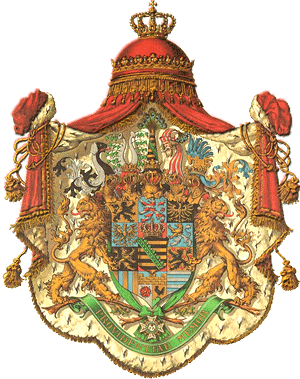
Königreich Sachsen
The Kingdom of Saxony (German: Königreich Sachsen), lasting between 1806 and 1918, was an independent member of a number of historical confederacies in Napoleonic through post-Napoleonic Germany. From 1871 it was part of the German Empire. It became a Free state in the era of Weimar Republic in 1918 after the end of World War I and the abdication of King Frederick Augustus III of Saxony. Its capital was the city of Dresden, and its modern successor state is the Free State of Saxony.
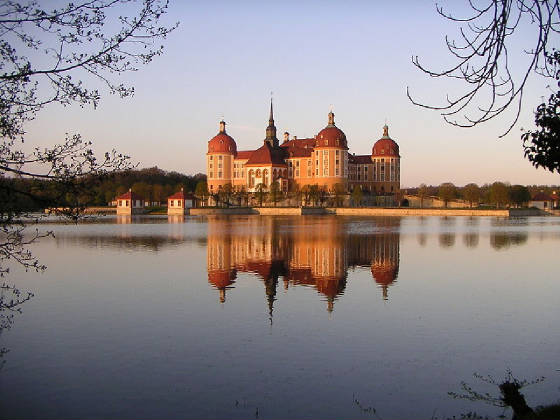
Before 1806 Saxony was part of the Holy Roman Empire, a thousand-year-old entity which had once aspired to be a single state, but had become highly decentralised over the centuries. The rulers of Electorate of Saxony had held the title of elector for several centuries. When the Holy Roman Empire was dissolved following the defeat of Emperor Francis II by Napoleon at the Battle of Austerlitz, the electorate was raised to the status of an independent kingdom with the support of France, then the dominant power in Central Europe. The last elector of Saxony became King Frederick Augustus I.
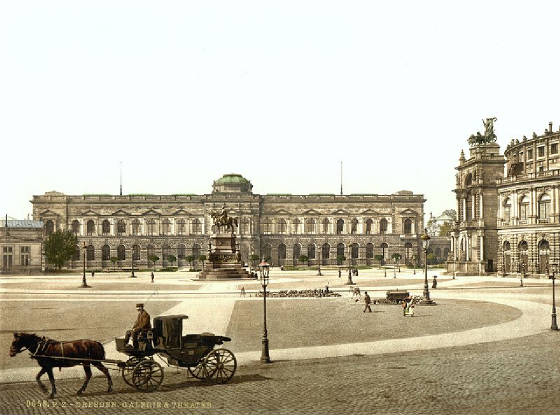
Following the defeat of Saxony’s ally Prussia at the Battle of Jena in 1806, Saxony joined the Confederation of the Rhine, and remained within the Confederation until its dissolution in 1813 with Napoleon’s defeat at the Battle of Leipzig. Following the battle, in which Saxony – virtually alone of the German states – had fought alongside the French, King Frederick Augustus I was deserted by his troops, taken prisoner by the Prussians and considered to have forfeited his throne by the allies, who put Saxony under Russian occupation and administration. This was probably more due to the Prussian desire to annex Saxony than to any crime on Frederick Augustus’s part, and the fate of Saxony would prove to be one of the main issues at the Congress of Vienna. In the end, 40% of the Kingdom, including the historically significant Wittenberg, home of the Protestant Reformation, was annexed by Prussia, but Frederick Augustus was restored to the throne in the remainder of his kingdom, which still included the major cities of Dresden and Leipzig. The Kingdom also joined the German Confederation, the new organization of the German states to replace the Holy Roman Empire.
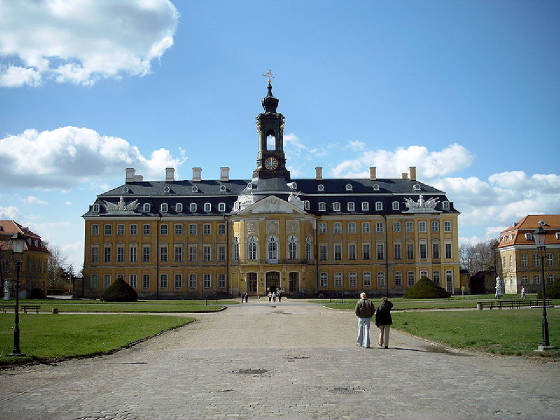
During the 1866 Austro-Prussian War, Saxony sided with Austria, and the Saxon army was generally seen as the only ally to bring substantial aid to the Austrian cause, having abandoned the defense of Saxony itself to join up with the Austrian army in Bohemia. This effectiveness probably allowed Saxony to escape the fate of other north German states which allied with Austria (notably the Kingdom of Hanover), which were annexed by Prussia after the war. The Austrians insisted as a point of honour that Saxony must be spared, and the Prussians acquiesced. Saxony nevertheless joined the Prussian-led North German Confederation the next year. With Prussia’s victory over France in the Franco-Prussian War of 1871, the members of the Confederation were organised by Otto von Bismarck into the German Empire, with Wilhelm I as its Emperor. John I, as Saxony’s incumbent king, was subordinate and owed allegiance to the Emperor, although he, like the other German princes, retained some of the prerogatives of a sovereign ruler, including the ability to enter into diplomatic relations with other states.
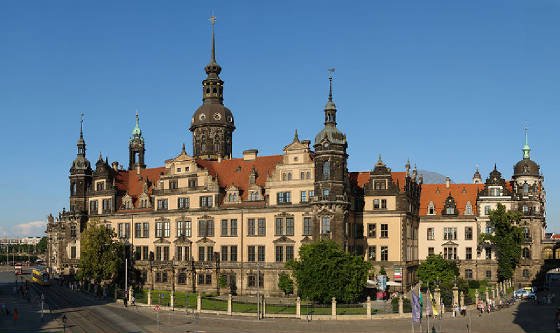
Wilhelm I’s grandson Kaiser Wilhelm II abdicated in 1918 as a result of Germany’s defeat in the First World War. King Frederick Augustus III of Saxony followed him into abdication and the erstwhile Kingdom of Saxony became the Free State of Saxony within the newly-formed Weimar Republic, thus ceasing a somewhat brief history as a kingdom.
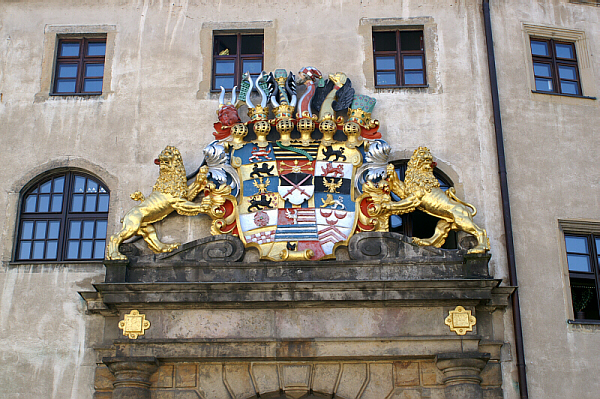
The History of the House of Wettin
The House of Wettin is a dynasty of German counts, dukes, prince-electors (Kurfürsten) and kings that once ruled the area of today’s German states of Saxony, the Saxon part of Saxony-Anhalt, and Thuringia for more than 800 years as well as holding at times the kingship of Poland. Agnates of the House of Wettin have, at various times, ascended the thrones of Great Britain, Portugal, Bulgaria, Poland, Saxony, and Belgium; of these, only the British and Belgian lines retain their thrones today. The oldest member of the House of Wettin who is known for certain was Thiedericus (died 982), who was probably based in the Liesgau (located at the western edge of the Harz). Around 1000, as part of the German conquest of Slavic territory, the family acquired Wettin Castle, after which they named themselves.

Wettin Castle is located in Wettin in the Hosgau on the Saale River. Around 1030, the Wettin family received the Eastern March as a fief. The prominence of the Wettin family in the Slavic marches caused Emperor Henry IV to invest them with the March of Meissen as a fief in 1089. The family advanced over the course of the Middle Ages: in 1263 they inherited the landgraviate of Thuringia (though without Hesse), and in 1423 they were invested with the Duchy of Saxony, centred at Wittenberg, thus becoming one of the prince-electors of the Holy Roman Empire. The family divided into two ruling branches in 1485 when the sons of Frederick II, Elector of Saxony divided the territories hitherto ruled jointly. The elder son Ernest, who had succeeded his father as Prince-elector, received the territories assigned to the Elector (Electoral Saxony) and Thuringia, while his younger brother Albert obtained the March of Meissen, which he ruled from Dresden. As Albert ruled under the title of “Duke of Saxony”, his possessions were also known as Ducal Saxony.
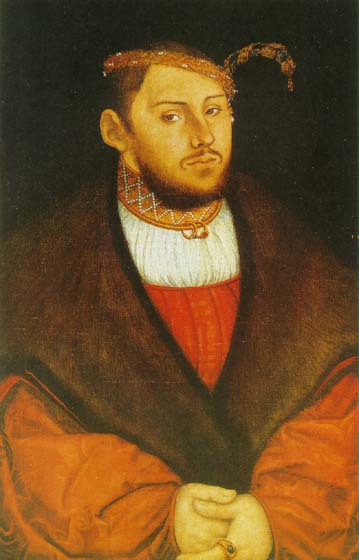
The older, Ernestine branch remained predominant until 1547 and played an important role in the beginnings of the Protestant Reformation. Their predominance ended in the Schmalkaldic War, which pitted the Protestant Schmalkaldic League against Emperor Charles V. Although itself Protestant, the Albertine branch rallied to the Empire’s cause; Charles V rewarded them by forcing the Ernestines to sign away their rights to the Electoral title and lands to the Albertines. The Ernestine line was thereafter restricted to Thuringia, and its dynastic unity swiftly crumbled. The Albertine Wettin maintained most of the territorial integrity of Saxony, preserving it as a significant power in the region, and using small appanage fiefs for their cadet branches, few of which survived for significant lengths of time. The Ernestine Wettin, on the other hand, repeatedly subdivided their territory, creating an intricate patchwork of small duchies and counties in Thuringia.
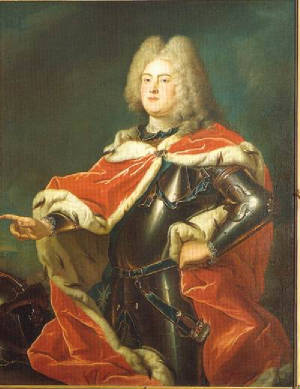
The junior Albertine branch ruled as Electors (1547-1806) and Kings of Saxony (1806-1918) and also played a role in Polish history: two Wettin were Kings of Poland (between 1697-1763) and a third ruled the Duchy of Warsaw (1807-1814) as a satellite of Napoleon. After the Napoleonic Wars, the Albertine branch lost about 40% of its lands, including the old Electoral Saxony, to Prussia, restricting it to a territory coextensive with the modern Saxony.
Rulers of the Kingdom of Saxony
Kings of Saxony – House of Wettin
The Holy Roman Empire came to an end in 1806. The Elector of Saxony, allied to Napoleon I, anticipated its dissolution by becoming the ruler of an independent Kingdom of Saxony in 1806.
| Kings of Saxony | ||||
| Image | Name | Began | Ended | Notes |
| Frederick Augustus I Friedrich August I |
20 December 1806 | 5 May 1827 | Duke of Warsaw 1807-1813. Called “the Just.” | |
| Anthony Anton |
5 May 1827 | 6 June 1836 | Brother of Frederick Augustus I. | |
| Frederick Augustus II Friedrich August II |
6 June 1836 | 9 August 1854 | Nephew of Anthony. | |
| John Johann |
9 August 1854 | 29 October 1873 | Brother of Frederick Augustus II. | |
| Albert Albert |
29 October 1873 | 19 June 1902 | Son of John. Called “the Good” | |
| George Georg |
19 June 1902 | 15 October 1904 | Brother of Albert. | |
| Frederick Augustus III Friedrich August III |
15 October 1904 | 13 November 1918 | Son of George. Last king of Saxony. Lost his throne in the German revolutions of 1918. | |
Heads of the Albertine Branch of the House of Wettin – 1918 – Present
Saxony became a republic with the demise of the German Empire in 1918.
- Frederick Augustus III of Saxony, 1918-1932.
- Frederick Christian, Margrave of Meissen, 1932-1968.
- Maria Emanuel, Margrave of Meissen, since 1968.
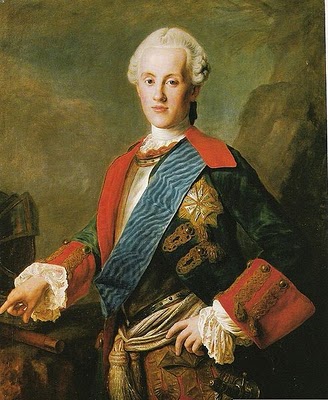
The Royal Family Titles and Styles
The members of this family bear the titles Prince or Princess and Duke or Duchess of Saxony toghter with the formal appellation of His or Her Royal Highness.
The Genealogy of The Royal House of Saxony
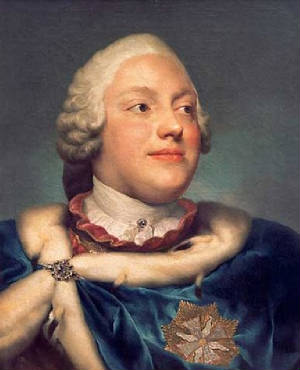
FRIEDRICH CHRISTIAN Leopold Johann Georg Franz Xaver, Elector of Saxony 5 Oct 1763 (Dresden 5 Sep 1722-Dresden 17 Dec 1763); m.by proxy at Munich 13 Jun 1747 and in person at Dresden 20 Jun 1747 Maria Antonia Pss of Bavaria (Schloß Nymphenburg 18 Jul 1724-Dresden 23 Apr 1780)
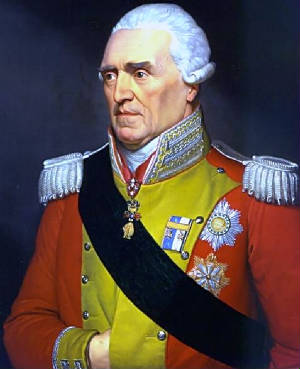
- 1a) FRIEDRICH AUGUST III Joseph Maria Anton Johann Nepomuk Aloys Xaver,
- Elector of Saxony, King FRIEDRICH AUGUST I of Saxony 11 Dec 1806 (Dresden 23
- Dec 1750-Dresden 5 May 1827); m.by proxy at Mannheim 17 Jan 1769 and in person
- at Dresden 29 Jan 1769 Amalie Pfgfn von Zweibrücken-Birkenfeld
- (Mannheim 10 May 1752-Dresden 15 Nov 1828)
- 1b) Maria Augusta Nepomucena Antonia Franziska Xaveria
- 2a) Karl Maximilian Maria Anton Johann Nepomuk Aloys
- 3a) Joseph Maria Ludwig Johann Nepomuck Aloys Gonzaga Franz Xaver Januar
- Anton de Padua Polycarp (Dresden 26 Jan 1754-Dresden 25 Mar 1763)
Aloysia (Dresden 21 Jun 1782-Dresden 14 Mar 1863)
Franz Xaver Januar (Dresden 24 Sep 1752-Dresden 8 Sep 1781)
- 4a) ANTON Clemens Theodor Maria Joseph Johann Evangelista Johann Nepomuk Franz Xaver Aloys Januar, King of Saxony (Dresden 27 Dec 1755-Pillnitz 6 Jun 1836); m.1st by proxy at Turin 29 Sep 1781 and in person at Dresden 24 Oct 1781 Maria Carolina Antonietta Adelaide Pss of Savoy (Turin 17 Jan 1764-Dresden 28 Dec 1782); m.2d by proxy at Florence 8 Sep 1787 and in person at Dresden 18 Oct 1787 Therese, Archdss of Austria (Florence 14 Jan 1767-Leipzig 7 Nov 1827)
- 1b) Maria Ludovica Auguste Friederike Therese Franziska Johanna Aloysia
- Nepomucena Ignatia Anna Josepha Xaveria Franziska de Paula Barbara
- 2b) Friedrich August (b.and d. Dresden 5 Apr 1796)
- 3b) Maria Johanna Ludovica Anna Amalia Nepomucena Aloysia Ignatia Xaveria
- Josepha Franziska de Chantal Eva Apollonia Magdalena Crescentia Vincentia
- 4b) Maria Theresia (b.and d. Dresden 15 Oct 1799)
- 5a) Maria Amalia Anna Josepha Antonia Justina Augustina Xaveria Aloysia
- Johanna Nepomucena Magdalena Walburga Katharina (Dresden 26 Sep
- 1757-Neuburg 20 Apr 1831); m. Dresden 12 Feb 1774 Karl III, Duke von
- Zweibrücken (Düsseldorf 29 Oct 1746-Mannheim 1 Apr 1795)
(Dresden 14 Mar 1795-Dresden 25 Apr 1796)
(Dresden 5 Apr 1798-Dresden 30 Oct 1799)
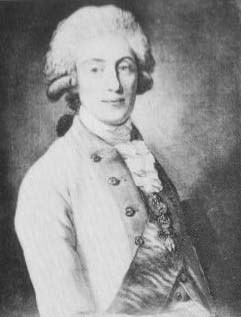
6a) Maximilian Maria Joseph Anton Johann Baptist Johann Evangelista Ignaz Augustin Xaver Aloys Johann Nepomuk Januar Hermenegild Agnellis Paschalis, renounced his rights to the throne 1 Sep 1830 (Dresden 13 Apr 1759-Dresden 3 Jan 1838); m.1st by proxy at Parma 22 Apr 1792 and in person at Dresden 9 May 1792 Carolina Pss of Bourbon-Parma (Parma 22 Nov 1770-Dresden 1 Mar 1804); m.2d by proxy at Lucca 15 Oct 1825 and in person at Dresden 7 Nov 1825 Maria Luisa Pss of Bourbon-Parma (Barcelona 2 Oct 1802-Rome 18 Mar 1857)
1b) Maria Amalia Friederike Augusta Karolina Ludovica Josepha Aloysia Anna Nepomucena Philippina Vincentia Franziska de Paula Franziska de Chantal (Dresden 10 Aug 1794-Pillnitz 18 Sep 1870)
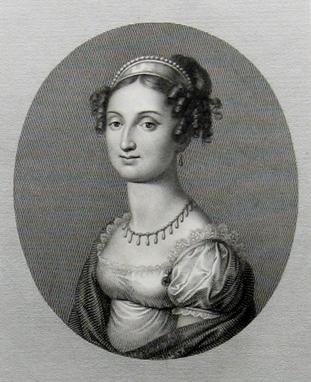
2b) Maria Ferdinanda Amalia Xaveria Theresia Josepha Anna Nepomucena Aloysia Johanna Vincentia Ignatia Dominica Franziska de Paula Franziska de Chantal (Dresden 27 Apr 1796-Schloß Brandeis 3 Jan 1865); m. Florence 6 May 1821 Ferdinando III Grand Duke of Tuscany, Archduke of Austria (Florence 6 May 1769-Florence 18 Jun 1824)
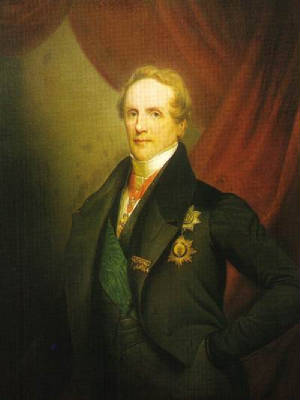
3b) FRIEDRICH AUGUST II Albert Maria Clemens Joseph Vincenz Aloys Nepomuk Johann Baptista Nikolaus Raphael Peter Xaver Franz de Paula Venantius Felix, King of Saxony (Dresden 18 May 1797-Brennbüchel 9 Aug 1854); m.1st by proxy at Vienna 26 Sep 1819 and in person at Dresden 7 Oct 1819 Caroline, Archdss of Austria (Vienna 8 Apr 1801-Dresden 22 May 1832); m.2d Dresden 24 Apr 1833 Marie Pss of Bavaria (Munich 27 Jan 1805-Wachwitz 13 Sep 1877)
4b) Clemens Maria Joseph Nepomuk Aloys Vincenz Xaver Franz de Paula Franz de Valois Joachim Benno Philipp Jakob (Dresden 1 May 1798-Pisa 4 Jan 1822)
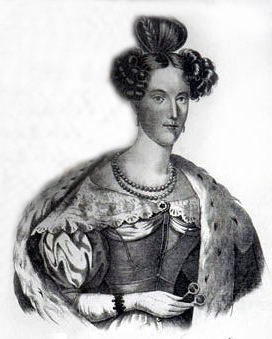
- 5b) Maria Anna Carolina Josepha Vincentia Xaveria Nepomucena Franziska
- de Paula Franziska de Chantal Johanna Antonia Elisabeth Cunigunde Gertrud
- Leopoldina (Dresden 15 Nov 1799-Pisa 24 Mar 1832; m.by proxy at Dresden 28 Oct
- 1817 and in person at Florence 16 Nov 1817 Leopoldo II, Grand Duke of Tuscany,
- Archduke of Austria (Florence 3 Oct 1797-Rome 30 Jan 1870)
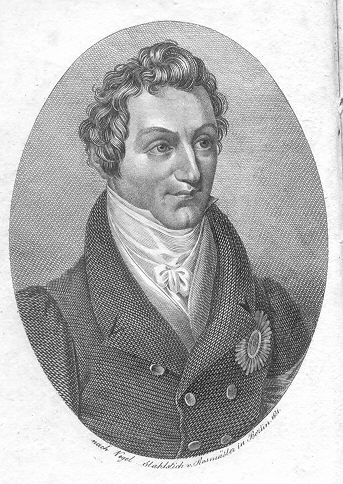
- 6b) JOHANN Nepomuk Maria Joseph Anton Xaver Vincenz Aloys Franz de Paula
- Stanislaus Bernhard Paul Felix Damasus, King of Saxony (Dresden 12 Dec 1801-Pillnitz
- 29 Oct 1873; m.by proxy at Munich 10 Nov 1822 and in person at Dresden 21 Nov
- 1c) Maria Auguste Friederike Karoline Ludovike Amalie Maximiliane
- Franziska Nepomucena Xaveria (Dresden 22 Jan 1827-Dresden 8 Oct 1857)
1822 Amalie Pss of Bavaria (Munich 13 Nov 1801-Dresden 8 Nov 1877)
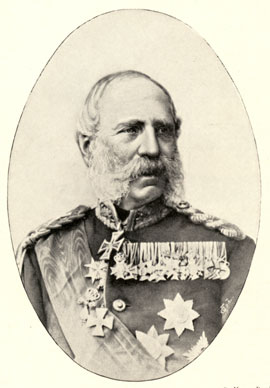
2c) Friedrich August ALBERT Anton Ferdinand Joseph Karl Maria Baptist Nepomuk Wilhelm Xaver Georg Fidelis, King of Saxony (Dresden 23 Apr 1828-Schloß Sibyllenort 19 Jun 1902); m. Dresden 18 Jun 1853 Pss Carola Vasa (Schönbrunn 5 Aug 1833-Dresden 15 Dec 1907)
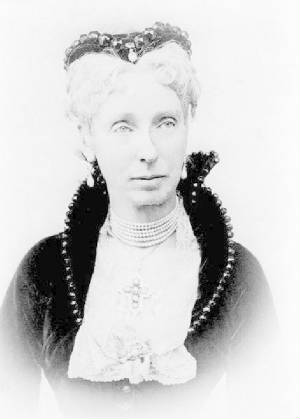
- 3c) Maria Elisabeth Maximiliana Ludovika Amalie Franziska Sophia Leopoldine
- Anna Baptista Xaveria Nepomucena (Dresden 4 Feb 1830-Stresa 14 Aug 1912);
- m.1st Dresden 22 Apr 1850 Ferdinando Pr of Savoy, Duke of Genoa (Florence 15 Nov
- 1822-Turin 10 Feb 1855); m.2d Aglié 4 Oct 1856 Niccolo Marchese Rapallo
- 4c) Friedrich August Ernst Ferdinand Wilhelm Ludwig Anton Nepomuk Maria
- Baptist Xaver Vincenz (Dresden 5 Apr 1831-Weesenstein 12 May 1847)
(Cagliari 6 Jul 1825-Turin 27 Nov 1882)
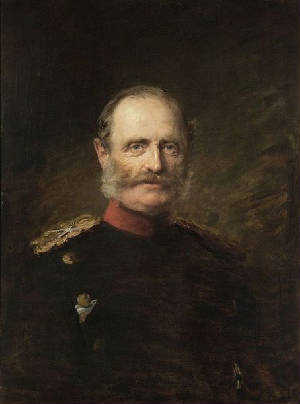
- 5c) Friedrich August GEORG Ludwig Wilhelm Maximilian Karl Maria Nepomuk
- Baptist Xaver Cyriacus Romanus, King of Saxony (Pillnitz 8 Aug 1832-Pillnitz 15
- Oct 1904); m. Lisbon 11 May 1859 Maria Anna Infanta of Portugal
- (Lisbon 21 Jul 1843-Dresden 5 Feb 1884)
- 1d) Marie Johanna Amalie Ferdinande Antonie Luise
- 2d) Elisabeth Albertine Karoline Sidonie Ferdinande Leopoldine Antonie
- Auguste Clementine (Dresden 14 Feb 1862-Dresden 18 May 1863)
Juliane (Dresden 19 Jun 1860-Dresden 2 Mar 1861)
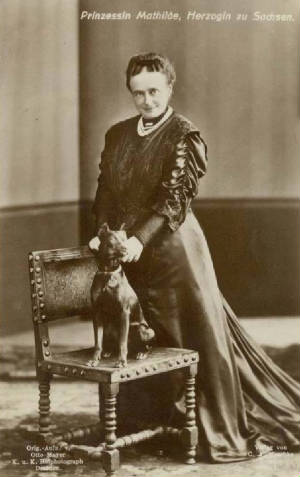
3d) Mathilde Marie Auguste Viktorie Leopoldine Karoline Luise Franziska Josepha (Dresden 19 Mar 1863-Dresden 27 Mar 1933)
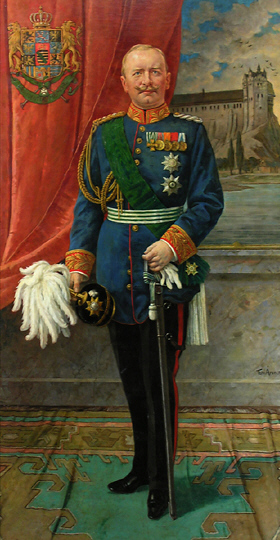
4d) FRIEDRICH AUGUST III Johann Ludwig Karl Gustav Gregor Philipp, King of Saxony, renounced the throne 13 Nov 1918 (Dresden 25 May 1865-Sibyllenort 18 Feb 1932); m. Vienna 21 Nov 1891 (div 1903) Luisa Archdss of Austria (Salzburg 2 Sep 1870-Ixelles 23 Mar 1947)
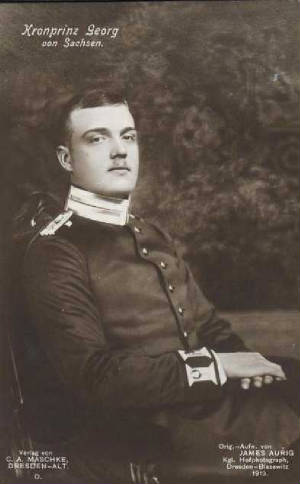
1e) Friedrich August Georg Ferdinand Albert Karl Anton Paul Marcellus, Crown Pr of Saxony, renounced his rights 1923 (Dresden 15 Jan 1893-Groß-Glienicke 14 May 1943)
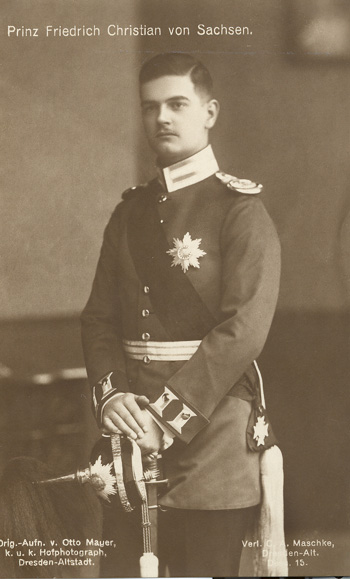
2e) FRIEDRICH CHRISTIAN Albert Leopold Anno Sylvester Makarius, Margrave of Meißen (Dresden 31 Dec 1893-Samedan 9 Aug 1968); m. Regensburg 16 Jun 1923 Elisabeth Helene Pss von Thurn und Taxis (Regensburg 15 Dec 1903-Munich 22 Oct 1976)
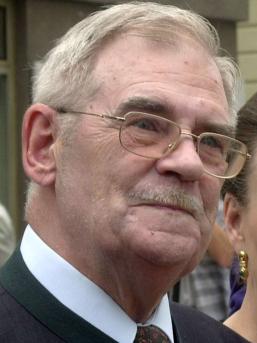
1f) MARIA EMANUEL, Margrave of Meißen (Prüfening 31 Jan 1926-La Tour de Peilz 23 Jul 2012); m.(civ) La Tour de Peilz 22 Jun 1962 (rel) Vevey 31 Jan 1963 Anastasia Pss of Anhalt (b. Regensburg 22 Dec 1940)
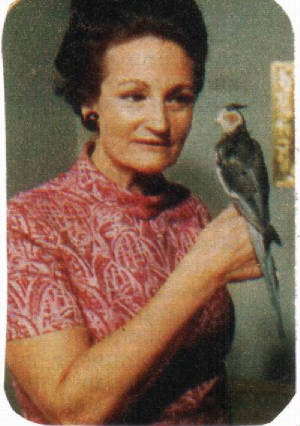
2f) Maria Josepha (b. Bad Wörishofen 20 Sep 1928)
3f) Maria Anna Josepha (Bad Wörishofen 13 Dec 1929-Munich 13 Mar 2012); m.
Paris 1 May 1953 Robert de Afif (Mexico City 30 Nov 1916-Mexico City 13 Dec 1978)
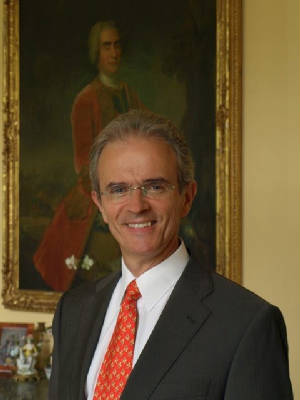
- 1g) Alexander de Afif “Prinz von Sachsen-Gessaphe”; he was the adopted son and heir
- of Margrave Maria Emanuel and thus claims headship of the house (b. Munich 12 Feb
- 1954); m. Mexico City 3 Apr 1987 (rel) Andechs 29 Aug 1987 Gisela Pss of Bavaria
- (b. Leutstetten 10 Sep 1964)
- 1h) Georg-Philipp Antonius Afif Pr von Sachsen-Gessaphe
- 2h) Mauricio-Gabriel Roberto Afif Pr von Sachsen-Gessaphe
- 3h) Paul Clemens Afif Pr von Sachsen-Gessaphe
- 4h) Maria Teresita Anna Louis Caroline Lucardis Afif
- Pss von Sachsen-Gessaphe (b. Dresden 7 Jul 1999)
- 2g) Friedrich Wilhelm de Afif “Prinz von
- Sachsen-Gessaphe” (b. Mexico City 5 Oct 1955)
(b. Mexico City 24 May 1988)
(b. Mexico City 14 Sep 1989)
(b. Mexico City 23 Mar 1993)

- 3g) Karl August de Afif “Prinz von Sachsen-Gessaphe” (b. Mexico City 1 Jan 1958);
- m. Munich (civ) 19 May 1994 (rel) 26 Nov 1994 Karen Kurth (b. Berlin 19 Nov 1962)
- 1h) Maria Antonia Afif Pss von Sachsen-Gessaphe, b. Munich 7 Oct 1994
- 2h) Maria Fernanda Desirée Afif Pss von Sachsen-Gessaphe, b. Munich 4 Jun 1999
- 3h) Clemens Maria Roberto Quirin Prinz von Sachsen Gessaphe, b.2008
- 4h) Johann Nepomuk Karl Benedikt Maria Prinz von Sachsen Gessaphe, b.2011
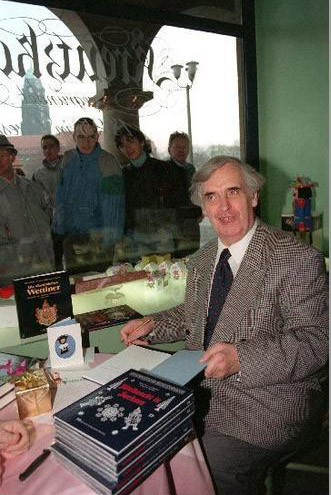
- 4f) Albert Joseph Maria Franz-Xaver (Bamberg 30 Nov 1934-Munich 6 Oct 2012);
- m.(morganatically) Munich (civ) 10 Apr 1980 (rel) 12 Apr 1980 Elmira Henke
- (b. Lodz 25 Dec 1930); some consider that on the death of his brother he became
- head of the Saxon house, despite earlier family agreements
- 5f) Mathilde Maria Josepha Anna Xaveria (b. Bamberg 17 Jan 1936); m.(civ) Munich
- 15 Oct 1968 (rel) Kloster Andechs 12 Nov 1968 (div 1993) Johannes Heinrich
- Pr of Saxe-Coburg-Gotha (Innsbruck 28 Mar 1931-14 Apr 2010)
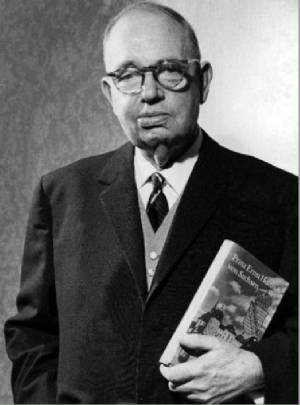
- 3e) Ernst Heinrich Ferdinand Franz Joseph Otto Maria Melchiades (Dresden 9
- Dec 1896-Neckarhausen 14 Jun 1971); m.1st Schloß Hohenburg 12 Apr 1921 Sophie
- Pss of Luxemburg and Nassau (Schloß Berg 14 Feb 1902-Munich 24 May 1941); m.2d
- (morganatically) Paris 28 Jun 1947 Virginia Dulon (Frankfurt 17 Dec 1910-co
- Westmeath Jan 2002)

1f) Albrecht Friedrich August Johannes Gregor
Dedo (Munich 9 May 1922-6 Dec 2009)
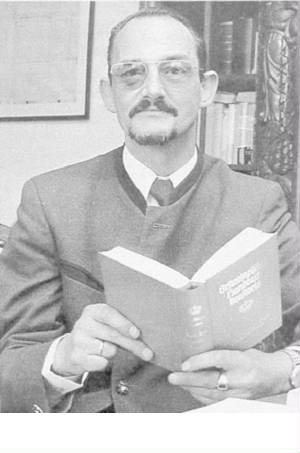
- 2f) Georg Timo Michael Nikolaus Maria (Munich 22 Dec 1923-Emden 22 Apr 1982);
- m.1st (morganatically) Mühlheim an der Ruhr 7 Aug 1952 Margrit Lucas (Mühlheim
- 9 May 1932-Mühlheim 6 Jun 1957); m.2d (morganatically) Marburg an der Lahn 5
- Feb 1966 (div 1974) Charlotte Schwindack (b. Dresden 11 Mar 1919); m.3d (morganatically)
- Emden 26 Mar 1974 Erna Eilts (Wolthusen bei Emden 23 Jul 1921-16 Feb 2010)
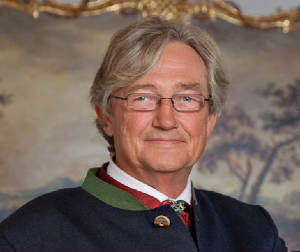
1g) Rüdiger Karl Ernst Timo Ali, Prinz von Sachsen, Herzog zu Sachsen (b. Mühlheim 23 Dec 1953); m.1st Willich 14 Jun 1974 Astrid Linke (Halle an der Saale 5 Jun 1949-Nov 1989); m.2nd Jan 2004 (div 2005) Diana Dorndorf
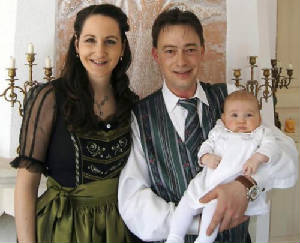
1h) Daniel Timo, Prinz von Sachsen, Herzog zu Sachsen (b. Duisburg 23 Jun 1975); m.30 Jul 2011 Sandra Scherer
1i) Anna-Catharina Sophie (b. Radebeul 13 Jan 2013)

2h) Arne Benjamin, Prinz von Sachsen, Herzog zu Sachsen (b. Duisburg 7 Mar 1977): m.2 Sep 2011 Sarah Schneider
1i) Rosa Kunigunde Sophie Amalie Auguste (b.2 Mar 2010)
2i) Frida Erdmuthe Elvira Ludovica Benedicte (b.16 Sep 2011)
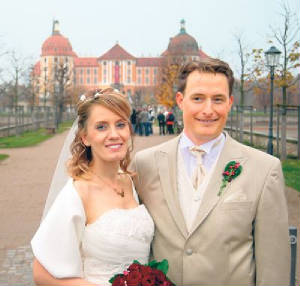
- 3h) Nils Sebastian, Prinz von Sachsen, Herzog zu Sachsen(b. Duisburg 6 Nov
- 1i) Moritz Victor Ferdinand Anton (b. Dresden 21 Mar 2009)
- 2i) Aurelie Marie Luise Sophie (b. 4 May 2010)
- 2g) Iris Hildegard Sophie Margrit Gisela (b. Mühlheim 21 Sep 1955); m.1st 21 Mar
- 1975 (div 1976) Hans Jürgen Hadam (Mühlheim 18 Oct 1950-Mühlheim 9 Jan 1977);
- m.2d (civ) Essen 20 May 1977 (rel) Mühlheim 22 Jul 1977 (div 1983) Wolfgang
- Graf Deym von Stritetz (b.as Wolfgang König at Agram 10 Jan 1943; adopted by
- Leopold Gf Deym von Stritetz); m.3d Hachenburg 8 Aug 1988 (div 1989) Ulrich
- Schuhmacher (b.20 Jun 1953); m.4th Sonsbeck 11 Nov 1996 Wolfgang Siegfried
- Döhring (b. Salpia 6 Mar 1941)
1978); m. Moritzburg 8 Nov 2008 Jedida Taborek (b. Dresden 10 Oct 1975)

1h) Xenia Florence Gabriela Sophie Iris, Princess of Saxony and Duchess of Saxony, b. Düsseldorf 20 Aug 1986

- 2h) Xandra Barbara Desirée Emy Margrit, Princess of Saxony
- and Duchess of Saxony, b. Hachenburg 15 Jan 1990
- 3f) Rupprecht Hubertus Gero Maria (Munich
- 12 Sep 1925-Picton, Ontario 10 Apr 2003)
- 4e) Maria (b.and d. Villa Wachwitz 22 Aug 1898)
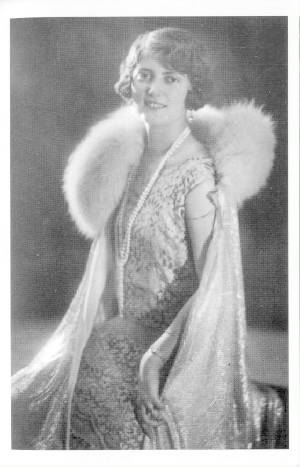
5e) Margarete Karola Wilhelmine Viktoria Adelheid Albertine Petrusa Bertram Paula (Dresden 24 Jan 1900-Freiburg 16 Oct 1962); m. Sibyllenort 2 Jun 1920 Friedrich Pr von Hohenzollern (Heiligendamm 30 Aug 1891-Krauchenwies 6 Feb 1965)
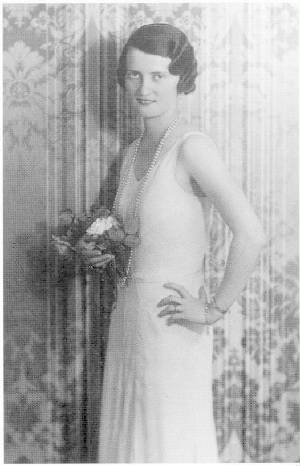
6e) Maria Alix Luitpolda Anna Henriette Germana Agnes Damiana Michaela (Wachwitz 27 Sep 1901-Hechingen 11 Dec 1990); m. Sibyllenort 25 May 1921 Franz Joseph Pr von Hohenzollern-Emden (Heiligendamm 30 Aug 1891-Tübingen 3 Apr 1964)
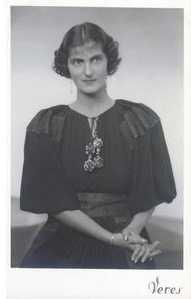
7e) Anna Monika Pia (Lindau 4 May 1903-Munich 8 Feb 1976); m.1st Sibyllenort 4 Oct 1926 Joseph Franz, Archduke of Austria (Brünn 28 Mar 1895-Carcavelos, Portugal 25 Sep 1957); m.2d (civ ) Geneva 28 Jul 1972 (rel) Veyrier 9 Sep 1972 Reginald Kazanjian (Newport, Rhode Island 7 Aug 1905-Geneva 7 Aug 1990)
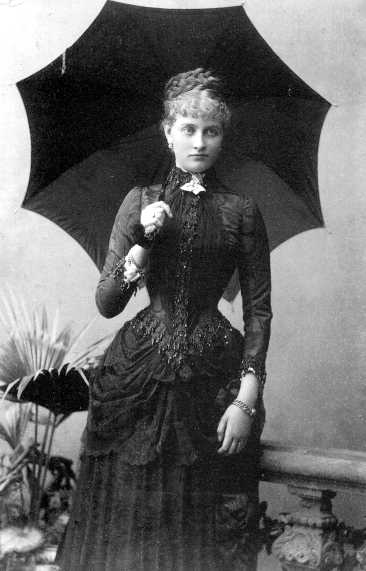
5d) Maria Josepha Luise Philippine Elisabeth Pia Angea Margarethe (Dresden 31 May 1867-Erlangen 28 May 1944); m. Dresden 2 Oct 1886 Otto, Archduke of Austria (Graz 21 Apr 1865-Vienna 1 Nov 1906)
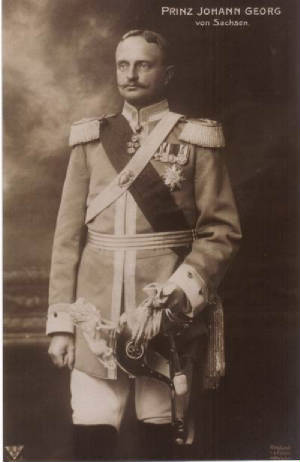
- 6d) Johann Georg Pius Karl Leopold Maria Januarius Anacletus (Dresden 10 Jul
- 1869-Schloß Altshausen 24 Nov 1938); m.1st Stuttgart 5 Apr 1894 Isabella Dss
- of Württemberg (Ort 30 Aug 1871-Dresden 24 May 1904); m.2d Cannes 30 Oct
- 1906 Maria Immacolata Pss of Bourbon-Two Sicilies
- (Cannes 30 Oct 1874-Muri 28 Nov 1947)
7d) Maximilian Wilhelm August Albert Karl Gregor Odo (Dresden 17 Nov 1870-Freiburg 12 Jan 1951)
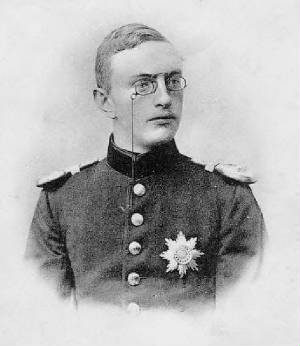
8d) Albert Karl Anton Ludwig Wilhelm Viktor (Dresden 25 Feb 1875 Wolkau 16 Sep 1900) Prince Albrecht died as a result of injuries sustained in a carriage crash caused by Prince Miguel of Braganza.
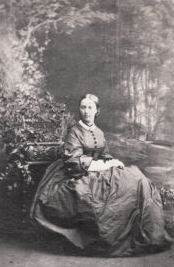
6c) Maria Sidonia Ludovica Mathilde Wilhelmine Auguste Xaveria Baptista Nepomucena Veronica Hyacinthia Deodata (Pillnitz 16 Aug 1834-Dresden 1 Mar 1862)
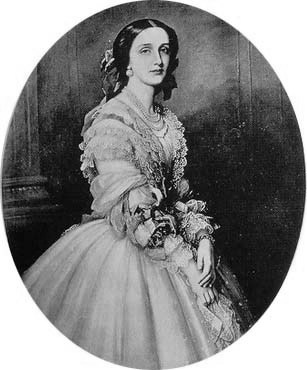
7c) Anna Maria Maximiliane Stephania Karoline Johanna Luisa Xaveria Nepomucena Aloysia Benedicta (Dresden 4 Jan 1836-Naples 10 Feb 1859); m.
Dresden 24 Nov 1856 Ferdinando IV, Grand Duke of Tuscany, Archduke of Austria (Florence 10 Jun 1835-Salzburg 17 Jan 1908)
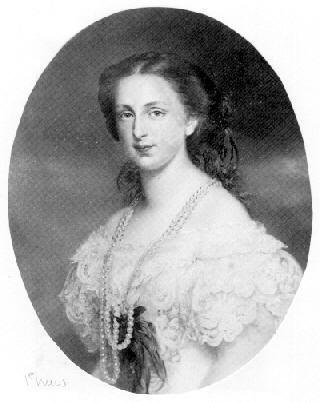
8c) Margaretha Karoline Friederike Cecilie Auguste Amalie Josephine Elisabeth Maria Johanna (Dresden 24 May 1840-Monza 15 Sep 1858); m. Dresden 4 Nov 1856 Karl Ludwig, Archduke of Austria (Schönbrunn 30 Jul 1833-Vienna 19 May 1896)
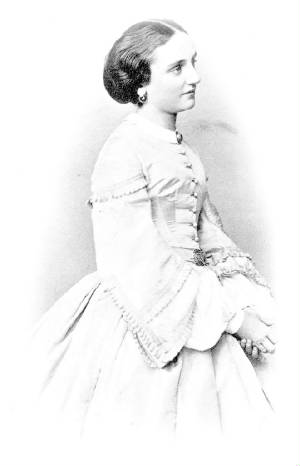
9c) Sophie Maria Friederike Auguste Leopoldine Alexandrine Ernestine Albertine Elisabeth (Dresden 15 Mar 1845-Munich 9 Mar 1867); m. Dresden 11 Feb 1865 Karl Theodor Duke in Bavaria (Possenhofen 9 Aug 1839-Kreuth 29 Nov 1909)
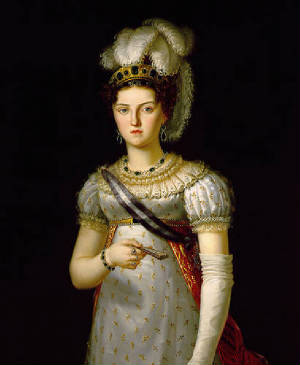
- 7b) Maria Josepha Amalia Beatrix Xaveria Vincentia Aloysia Franziska de Paula
- Franziska de Chantall Anna Apollonia Johanna Nepomucena Walburga Theresia
- Ambrosia (Dresden 6 Dec 1803-Aranjuez 17 May 1829); m.by proxy at Dresden 28
- Aug 1819 and in person at Madrid 20 Oct 1819 King Fernando VII of Spain
- (Madrid 14 Oct 1784-Madrid 29 Sep 1833)
- 7a) Therese Maria Josepha Magdalena Anna Antonia Walburga Ignatia Xaveria
- Augustina Aloysia Fortunata (Munich 27 Feb 1761-Dresden 26 Nov 1820)