Formerly Sovereign House

Kingdom of Dalmatia – House of Habsburg-Lorraine

Kingdom of Dalmatia – House of Habsburg-Lorraine

Jurisdiction
Dalmatia
Dynasty
House of Habsburg-Lorraine
Entry type
House
Editorial status
Reviewed - Verified
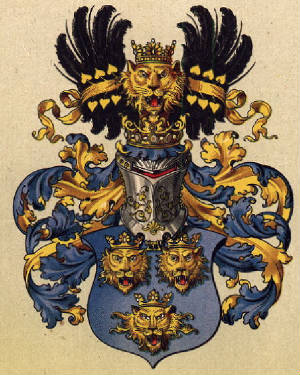
File: Wappen Kö nigreich Dalmatien.png

Königreich Dalmatien

The Kingdom of Dalmatia (Croatian: Kraljevina Dalmacija, German: Königreich Dalmatien; Italian: Regno di Dalmazia) was an administrative division (kingdom) of the Habsburg Monarchy from 1815 to 1918. Its capital was Zadar. The Kingdom of Dalmatia was formed from territories of the Illyrian Provinces that the Habsburg Monarchy conquered from the French Empire in 1815. It remained a separate administrative division of the Habsburg Monarchy until 1918 when its territory – except Zadar, its territory and the island of Lastovo, annexed to Italy – became part of the State of Slovenes, Croats and Serbs and the Kingdom of Serbs, Croats and Slovenes (later Kingdom of Yugoslavia). As a result of the Vidovdan Constitution (in 1921), the majority of the Kingdom was divided into the Split Oblast and Dubrovnik Oblast, with the Bay of Kotor being administratively split to the largely Montenegrin Zeta Oblast.
kingdom-of-dalmatia.jpg

List of the Kings of Dalmatia

Francis
(Franjo I.)
1 March 1792 2 March 1835
Ferdinand V 28 September 1830 2 December 1848
Francis Joseph
(Franjo Josip I.)
2 December 1848 21 November 1916
Charles IV
(Karlo IV.)
21 November 1916 16 November 1918
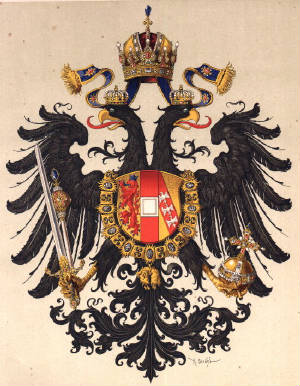
Austriaarms.jpg

The House of Habsburg-Lorraine

The House of Habsburg or Hapsburg (also known as House of Austria) was one the most important royal houses of Europe and is best known for being an origin of all of the formally elected Holy Roman Emperors between 1438 and 1740, as well as rulers of the Austrian and Spanish Empires and several other countries. Originally from Switzerland, the dynasty first reigned in Austria, which they ruled for over six centuries. A series of dynastic marriages brought Burgundy, Spain, Bohemia, Hungary, and other territories into the inheritance. In the 16th century the family separated into the senior Habsburg Spain and the junior Habsburg Austrian branches.
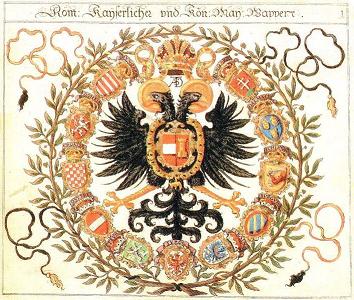
habsburg-coat-of-arms.jpg

As royal houses are by convention determined via the male line, the reigning branches of the House of Habsburg became extinct in the 18th century. The Spanish branch ended upon the death of Charles II in 1700 and was replaced by the Anjou branch of the House of Bourbon in the person of his great-nephew Philip V. The Austrian branch became extinct in 1780 with the death of the Empress Maria Theresa and was replaced by the Vaudemont branch of the House of Lorraine in the person of her son Joseph II. The new successor house styled itself as the House of Habsburg-Lorraine (German: Habsburg-Lothringen), therefore technically there is not a House of Habsburg in the present day but only a female Habsburg line that exists in the House of Lorraine known as the House of Habsburg-Lorraine.

Heads of the Habsburg Family – since 1918

Portrait Name Head of the family from Head of the family until
Charles I 11 November 1918 † 1 April 1922
Otto von Habsburg 1 April 1922

1 January 2007 (resigned)

† 4 July 2011

Karl von Habsburg 1 January 2007 Incumbent
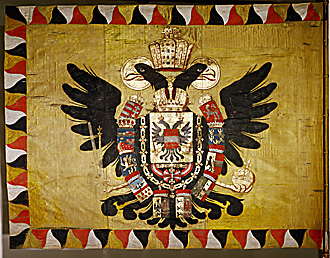
austrian-imperial-flag1.jpg

Titles and Styles of The Imperial and Royal House

The members of this family bear the titles “Archduke (Archduchess) of Austria, Prince (Princess) of Hungary and Bohemia, Prince or Princess of Dalmatia” and the style of “Imperial and Royal Highness”. Descendants of morganatic marriages, other than those granted specific titles (e.g., the Grafen von Meran and the Princes von Altenburg and Hohenberg) generally bear the title “Graf (Gräfin) von Habsburg-Lothringen”, or at least the surname “Habsburg”.
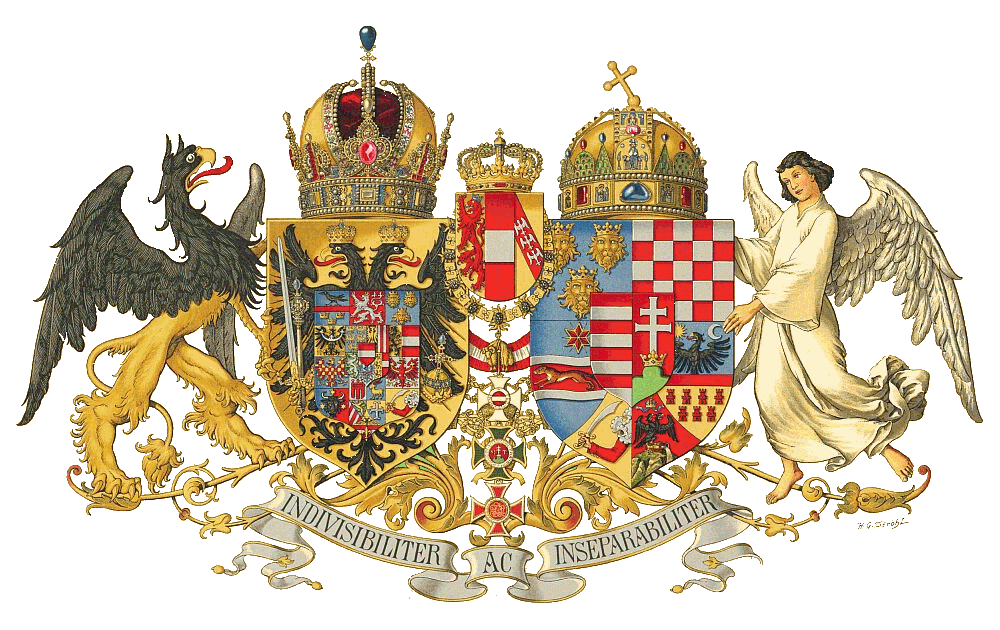
imperialarmsofaustria.gif

Genealogy of the Imperial and Royal House

Part: I
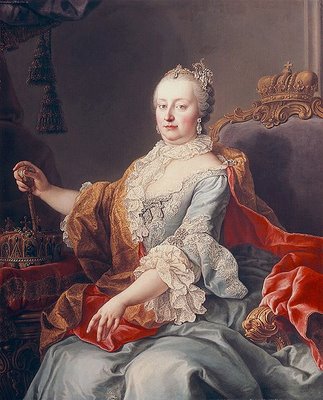
Maria_Theresia.jpg

Maria Theresia, Archduchess of Austria, daughter of Emperor Karl VI, was b. Vienna 13 May 1717; she succeeded her father as Queen of Hungary and Bohemia and heiress of Austria on his death in 1740; she d.at Vienna 29 Nov 1780; she had married at Vienna 12 Feb 1736 Francis Stephen, Duke of Lorraine (Lothringen) (Lunéville 8 Dec 1708-Innsbruck 18 Aug 1765), who in 1745 became the Emperor FRANZ I. Their issue:

1a) Marie Elisabeth Amalie Antonie Josephe Gabriele Johanna Agathe (Vienna 5 Feb 1737-Laxenburg 7 Jun 1740)
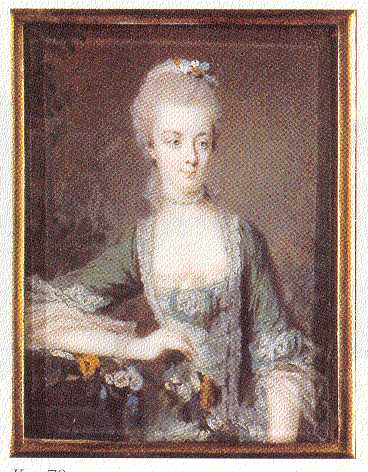
archduchess-Maria-Anna-habsburg.jpg

2a) Marie Anna Josephe Antonie Johanna (Vienna 6 Oct 1738-Vienna 19 Nov 1789)

3a) Marie Caroline Ernestine Antonie Johanna Josephe (Vienna 12 Jan 1740-Vienna 25 Jan 1741)
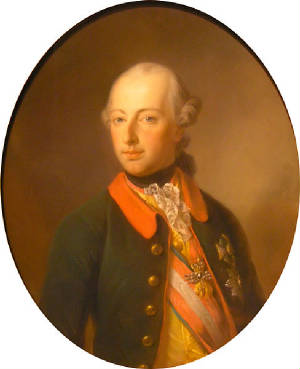
emperor-joseph-II.jpg

4a) Emperor JOSEF II Benedikt August Johann Anton Michael Adam (Schönbrunn 13 Mar 1741-Vienna 20 Feb 1790); m.1st by proxy at Parma 7 Sep 1760 and in person at Vienna 6 Oct 1760 Isabella Maria Pss of Bourbon-Parma (Madrid 31 Dec 1741-Vienna 27 Nov 1763); m.2d by proxy at Munich 13 Jan 1765 and in person at Schönbrunn 23 Jan 1765 Marie Josephe Pss of Bavaria (Munich 30 Mar 1739-Vienna 28 May 1767)

1b) Maria Theresia (Vienna 20 Mar 1762-Vienna 23 Jan 1770)

2b) Christina (b.and d. Vienna 22 Nov 1763)
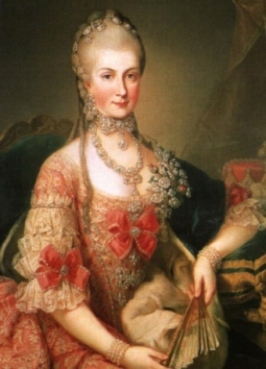
archduchess-MariaChristine-habsburg.jpg

5a) Marie Christine Johanna Josephe Antonie (Vienna 13 May 1742-Vienna 24 Jun 1798); m. Vienna 8 Apr 1766 Albert Pr of Saxony, Duke of Teschen (Moritzburg 11 Jul 1738-Vienna 10 Feb 1822)
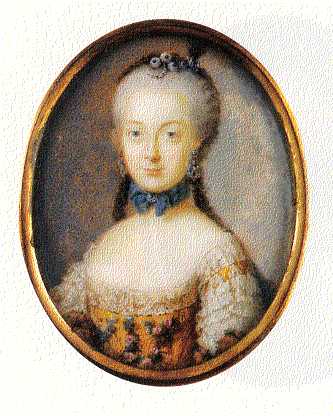
archduchess-Maria-Elisabeth-habsburg.jpg

6a) Marie Elisabeth Josephe Johanna Antonie (Vienna 13 Aug 1743-Linz 22 Sep 1808)
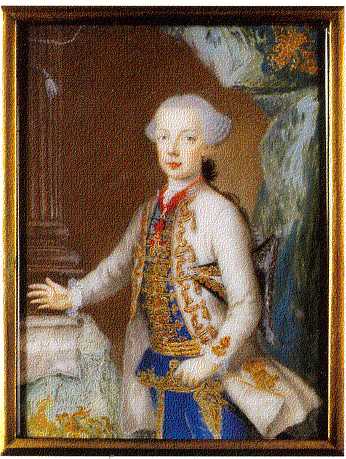
Archduke_karl-joseph-of_Austria.jpg

7a) Karl Joseph Emanuel Johann Nepomuck Anton Prokop (Vienna 1 Feb 1745-Vienna 18 Jan 1761)
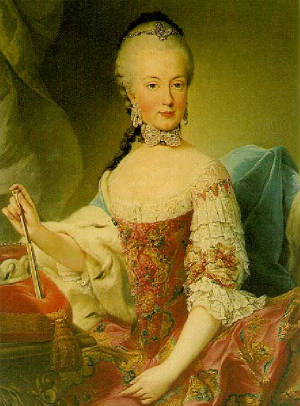
archduchess-Maria-Amalia-habsburg.jpg

8a) Marie Amalie Josepha Johanna Antonie (Vienna 26 Feb 1746-Prague 18 Jun 1804); m.by proxy at Vienna 27 Jun 1769 and in person at Colorno 19 Jul 1769 Ferdinando, Duke of Parma (Parma 20 Jan 1851-Fontevivo 9 Oct 1802)
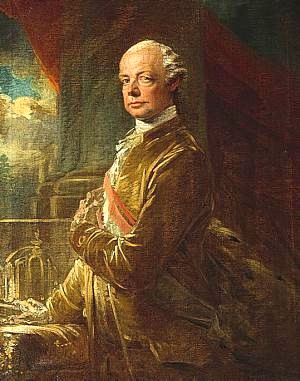
emperor-Leopold_II.jpg

9a) Emperor Peter LEOPOLD II Joseph (Schönbrunn 5 May 1747-Vienna 1 Mar 1792), succeeded his brother, Emperor Joseph II, on 20 Feb 1790; he m.by proxy at Madrid 16 Feb 1764 and in person at Innsbruck 5 Aug 1765 Maria Luisa Infanta of Spain (Naples 24 Nov 1745-Vienna 15 May 1792)
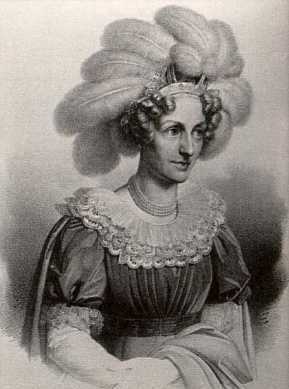
Maria-Theresia-of-austria.jpg

1b) Maria Theresia Josephe Charlotte Johanna (Florence

14 Jan 1767-Leipzig 7 Nov 1827); m.by proxy at Florence 8 Sep 1787 and in person at Dresden 18 Oct 1787 King Anton of Saxony (Dresden 27 Dec 1755-Pillnitz 6 Jun 1836)
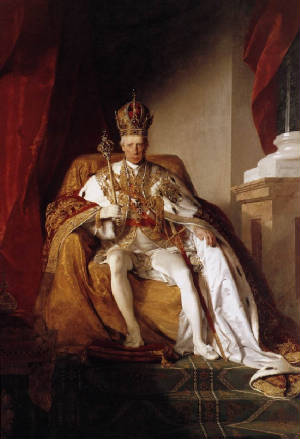
francisII.jpg

2b) Emperor FRANZ II Joseph Karl, who in 1806 abdicated as Holy Roman Emperor and became Emperor FRANZ of Austria, (Florence 12 Feb 1768-Vienna 2 Mar 1835); m.1st Vienna 6 Jan 1788 Elisabeth Dss of Württemberg (Treptow 21 Apr 1767-Vienna 18 Feb 1790); m.2d by proxy at Naples 15 Aug 1790 and in person at Vienna 19 Sep 1790 Maria Teresa Pss of Bourbon-Two Sicilies (Naples 6 Jun 1772-Vienna 13 Apr 1807); m.3d Vienna 6 Jan 1808 Maria Ludowika Archdss of Austia-Este (Monza 14 Dec 1787-Verona 7 Apr 1816); m.4th by proxy at Munich 29 Oct 1816 and in person at Vienna 10 Nov 1816 Caroline Auguste Pss of Bavaria (Mannheim 8 Feb 1792-Vienna 9 Feb 1873)

1c) Ludovika Elisabeth Franziska (Vienna 18 Feb 1790-Vienna 24 Jun 1791)
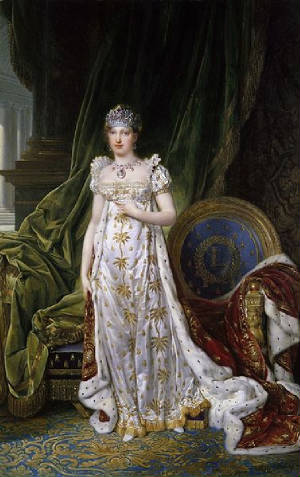
Empress-Marie-Louise-of-the-french.jpg

2c) Marie Louise Leopoldine Franziska Theresia Josepha Lucia, Dss of Parma, Piacenza and Guastalla 1814-1847 (Vienna 12 Dec 1791-Vienna 17 Dec 1847); m.1st by proxy at Vienna 11 Mar 1810 and in person (civ) at St. Cloud 1 Apr 1810 (rel) at the Louvre 2 Apr 1810 Napoléon I, Emperor of the French (Ajaccio 15 Aug 1769-St. Helena 5 May 1821); m.2d Parma 7 Sep 1821 Adam Adalbert Gf von Neipperg (Vienna 8 Apr 1775-Parma 22 Feb 1829); m.3d Parma 17 Feb 1834 Cte Charles de Bombelles (Versailles 6 Nov 1785- Versailles 30 May 1856)
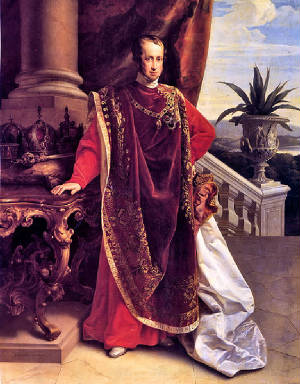
Ferdinand_I.jpg

3c) FERDINAND I Karl Leopold Joseph Franz Marcelin, Emperor of Austria from the death of his father until his abdication 2 Dec 1848 (Vienna 19 Apr 1793-Prague 29 Jun 1875); m. Vienna 27 Feb 1831 Maria Anna Pss of Savoy (Rome 19 Sep 1803-Prague 4 May 1884)

4c) Marie Caroline Leopoldine Franziska Theresia Josepha Medarde (Vienna 8 Jun 1794-Vienna 16 Mar 1795)

5c) Caroline Ludovika Leopoldine (Vienna 9 Dec 1795-Schloß Hetzendorf 30 Jun 1799)
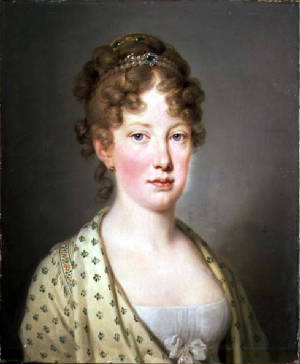
Maria_Leopoldina_of-austria.jpg

6c) Maria Leopoldina Josepha Caroline (Vienna 22 Jan 1797-Rio de Janeiro 11 Dec 1826); m.by proxy at Vienna 13 May 1817 and in person at Rio de Janeiro 5 Nov 1817 Pedro I, Emperor of Brazil [later, King Pedro IV of Portugal (Queluz 12 Oct 1798-Queluz 24 Sep 1834)
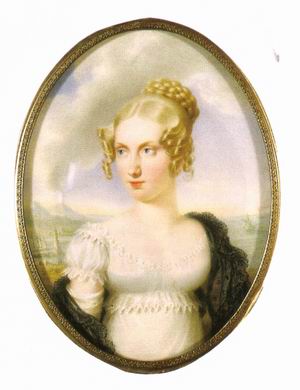
maria-Klementine-of-austria.JPG

7c) Marie Clementine Franziska Josepha (Vienna 1 Mar 1798-Château de Chantilly 3 Sep 1881); m. Schönbrunn 28 Jul 1816 Leopoldo Pr of Bourbon-Two Sicilies, Pr di Salerno (Naples 2 Jul 1790-Naples 10 Mar 1851)

8c) Joseph Franz Leopold (Vienna 9 Apr 1799-Laxenburg 30 Jun 1807)
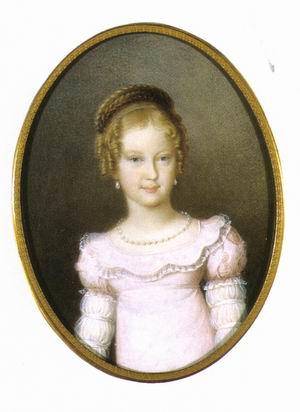
maria-Karoline-of-austria.jpg

9c) Marie Caroline Ferdinande Theresia Josephine Demetria (Vienna 8 Apr 1801-Dresden 22 May 1832); m.by proxy at Vienna 26 Sep 1819 and in person at Dresden 7 Oct 1819 King Friedrich August II of Saxony (Dresden 18 May 1797-Brennbuchel 9 Aug 1854.
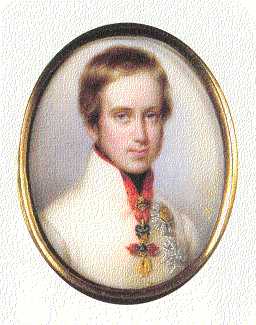
archduke-FranzKarl-of-austria.jpg

10c) Franz Karl Joseph (Vienna 7 Dec 1802-Vienna 8 Mar 1878); he renounced his succession rights 1848; m. Vienna 4 Nov 1824 Sophie Pss of Bavaria (Munich 27 Jan 1805-Vienna 28 May 1872)

Emperor_Franz_Joseph.JPG

1d) FRANZ JOSEPH Karl, Emperor of Austria 2 Dec 1848 (Schönbrunn 18 Aug 1830-Schönbrunn 21 Nov 1916); m. Vienna 24 Apr 1854 Elisabeth Dss in Bavaria (Munich 24 Dec 1837-assassinated at Geneva 10 Sep 1898) .
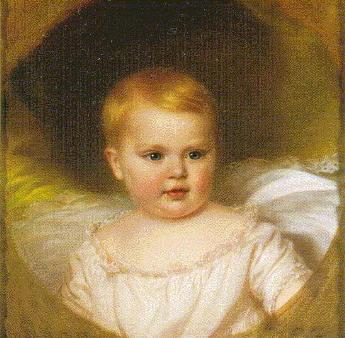
Sophie-austria.JPG

1e) Sophie Friederike Dorothea Maria Josepha (Vienna 5 Mar 1855-Buda 29 May 1857)
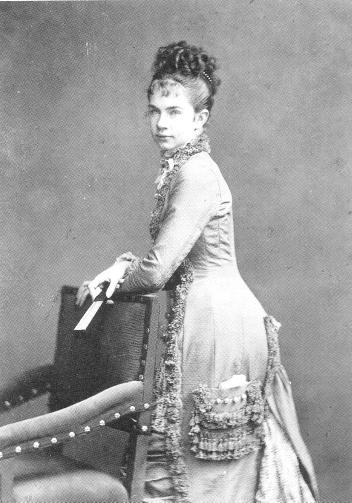
Gisela-of-austria.JPG

2e) Gisela Louise Marie (Laxenburg 12 Jul 1856-Munich 27 Jul 1932); m. Vienna 20 Apr 1875 Leopold Pr of Bavaria (Munich 9 Feb 1846-Munich 28 Sep 1930)
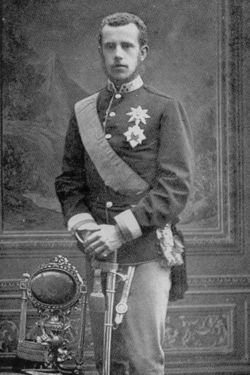
Crown_Prince_Rudolf-of-austria.jpg

3e) Rudolf Franz Karl Joseph, Crown Prince of Austria (Laxenburg 21 Aug 1858-committed suicide at Mayerling 30 Jan 1889); m. Vienna 10 May 1881 Stephanie Pss of Belgium (Laeken 21 May 1864-Pannonhalma, Hungary 23 Aug 1945)
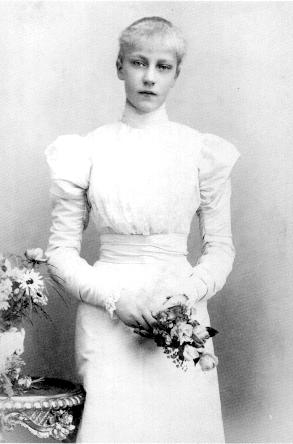
archduchessElisabethofaustria.jpg

1f) Elisabeth Marie Henriette Stephanie Gisela (Laxenburg 2 Sep 1883- Vienna-Hütteldorf 22 Mar 1963); m.1st Vienna 23 Jan 1902 (div 1924) Otto Pr zu Windisch-Grätz (Graz 7 Oct 1873-Lugano 25 Dec 1952); m.2d Vienna 4 May 1948 Leopold Petznek (Bruck an der Leitha 30 Jun 1881-Vienna 27 Jul 1956)
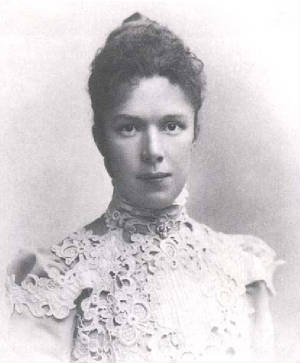
MarieValerieofaustria.jpg

4e) Marie Valerie Mathilde Amalie (Buda 22 Apr 1868-Schloß Wallsee 6 Sep 1924); m. Ischl 31 Jul 1890 Franz Salvator Archduke of Austria (Altmünster 21 Aug 1866-Vienna 20 Apr 1939)
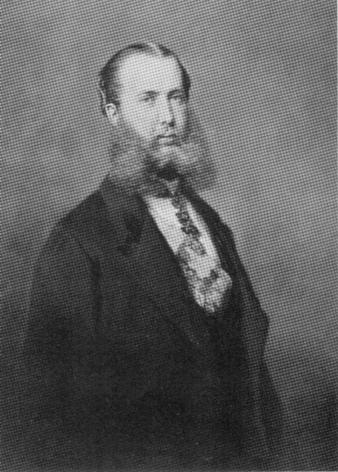
emperor-Maximilian-of-mexico.JPG

2d) Ferdinand Maximilian, b. Vienna 6 Jul 1832, became Emperor Maximilian of Mexico 10 Apr 1864 but was ousted by revolutionaries and executed at Queretaro, Mexico 19 Jun 1867; m. Brussels 27 Jul 1857 Charlotte Pss of Belgium (Laeken 7 Jun 1840-Château de Bouchout, Belgium 19 Jan 1927)
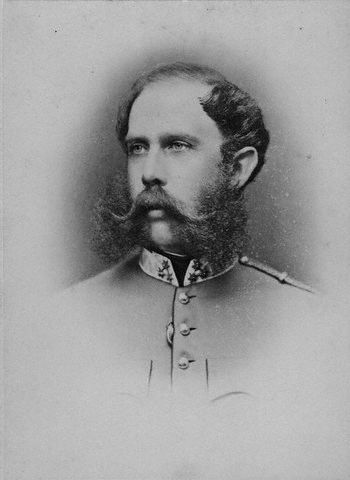
Archduke_Karl_Ludwig_of_Austria.JPG

3d) Karl Ludwig (Schönbrunn 30 Jul 1833-Vienna 19 May 1896); m.1st Dresden 4 Nov 1856 Margaretha Pss of Saxony (Dresden 24 May 1840-Monza 15 Sep 1858); m.2d by proxy at Rome 16 Oct 1862 and in person at Venice 21 Oct 1862 Maria Annunciata Pss of Bourbon-Two Sicilies (Caserta 24 Mar 1843-Vienna 4 May 1871); m.3d Kleinheubach 23 Jul 1873 Maria Teresa Infanta of Portugal (Kleinheubach 24 Aug 1855-Vienna 12 Feb 1944) .
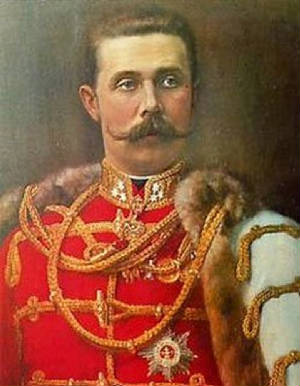
franz-ferdinand.jpg

1e) Franz Ferdinand Karl Ludwig Joseph, who became heir presumptive to the Imperial Throne on the death of his cousin, the Crown Prince Rudolf, in 1889 (Graz 18 Dec 1863-assassinated at Sarajevo 28 Jun 1914); m.(morganatically) at Reichstadt, Bohemia 1 Jul 1900 Sophie Gfn Chotek von Chotkowa, who was in 1905 cr Herzogin von Hohenberg (Durchlaucht) (Stuttgart 1 Mar 1868-assassinated at Sarajevo 28 Jun 1914); their issue bear the titles Fürst[in] von Hohenberg (Durchlaucht), except the head of the house, who is Herzog von Hohenberg 1f) Sophie Marie Franziska Antonia Ignatia Alberta (Konopischt 24 Jul 1901-Thannhausen 27 Oct 1990); m. Tetschen 8 Sep 1920 Friedrich Gf von Nostitz-Rieneck (Prague 1 Nov 1893-Graz 29 Dec 1973) see: Dukes of Hohenberg – House of Hohenberg
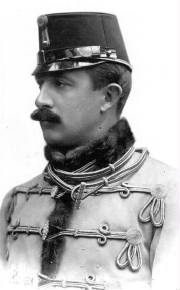
Otto-of-austria.JPG

2e) Otto Franz Joseph Karl Ludwig Maria (Graz 21 Apr 1865-Vienna 1 Nov 1906); m. Dresden 2 Oct 1886 Maria Josepha Pss of Saxony (Dresden 31 May 1867-Schloß Wildenwart, Upper Bavaria 28 May 1944)
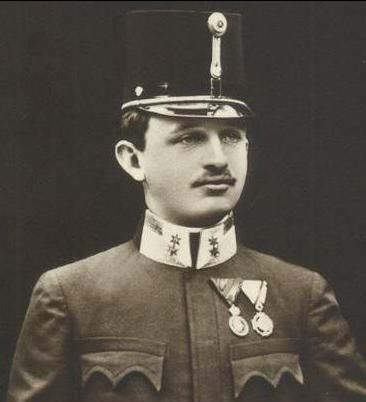
emperor-Karl-of-austria.jpg

1f) KARL, Emperor of Austria on the death of his great-uncle, Emperor Franz Josef, in 1916, until he fled the country in 1918/9; b. Persenbeug 17 Aug 1887, d. Funchal, Madeira 1 Apr 1922; m. Schwarzau am Steinfelde 21 Oct 1911 Zita Pss of Bourbon-Parma (Villa Pianore 9 May 1892-Zizers 14 Mar 1989)
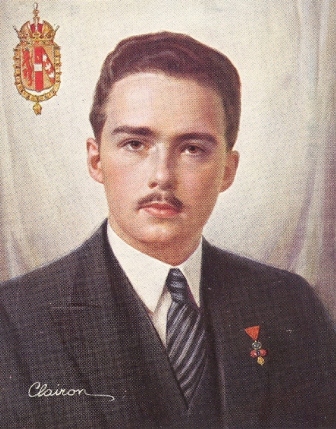
archduke-Otto-of-austria.jpg

1g) Franz Joseph OTTO Robert Maria Anton Karl Max Heinrich Sixtus Xaver Felix Renatus Ludwig Gaetan Pius Ignatius, relinquished status as head of house to his son Karl 2007 (Villa Wartholz bei Reichenau, Lower Austria 20 Nov 1912-Pöcking 4 Jul 2011); m. Nancy 10 May 1951 Regina Pss of Saxe-Meiningen (Würzburg 6 Jan 1925-Pöcking 3 Feb 2010)
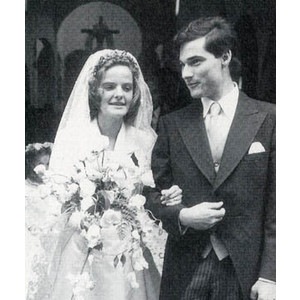
archduchess-andrea-of-austria.JPG

1h) Andrea Maria, b. Würzburg 30 May 1953; m.(civ) Pöcking, Upper Bavaria 9 Jul 1977 (rel) 30 Jul 1977 Karl Eugen Erbgf von Neipperg (b. Schwaigern 20 Oct 1951)
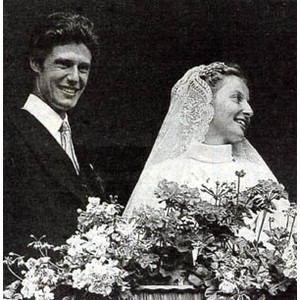
archduchess-monika-of-austria.JPG

2h) Monika Maria Roberta Antonia Raphaela, b. Würzburg 13 Sep 1954; m. Pöcking 21 Jun 1980 Don Luis Gonzaga de Casanova-Cárdenas y Barón Duque de Santangelo Marqués de Elche Cde de Lodosa (b. Madrid 24 Apr 1950)
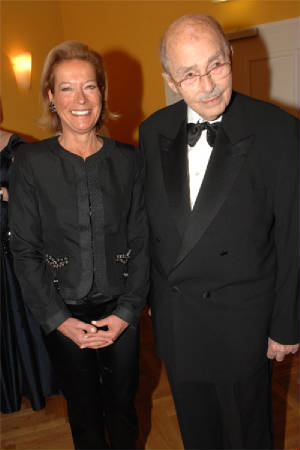
archduchess-Michaela-von-habsburg.jpg

3h) Michaela Maria Madeleine Kiliana Elisabeth, b. Würzburg 13 Sep 1954; m.1st (civ) 12 Jul 1982 (rel) Anton, Panama 14 Jan 1984 (div 1993) Eric Alba Teran d’Antin (Mexico City 21 May 1920-New York 9 Jul 2004 [acc to internet reports, not confirmed); m.2d 22 Oct 1994 (div 1998) Hubertus Gf von Kageneck (b. Haus Blumenscheidt bei Wittlich 10 Aug 1940)

archduchess-Gabriella-of-austria.JPG

4h) Gabriela Maria Charlotte Felicitas Elisabeth Antonia, b. Luxemburg 14 Oct 1956; m.(civ) Pöcking 30 Aug 1978 (rel) St. Odile 5 Sep 1978 (div 1997) Christian Meister (b. Starnberg 1 Sep 1954)

archduchess-Walburga_Habsburg_Douglas.jpg

5h) Walburga Maria Franziska Helene Elisabeth, b. Berg am Starnberger See 5 Oct 1958; m. Budapest 5 Dec 1992 Carl Axel Archibald Gf Douglas (b. Stockholm 27 Nov 1949)
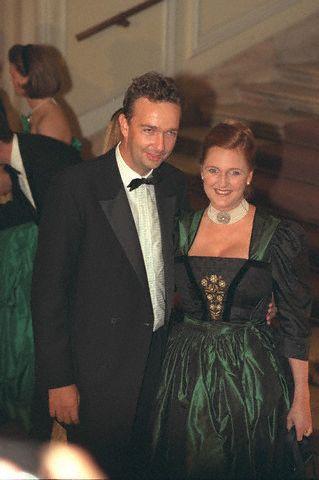
archduke-karl-of-austria.jpg
  • 6h) KARL Thomas Robert Maria Franziskus Georg Bahnam, b. Starnberg 11 Jan 1961; m. Mariazell 31 Jan 1993 (civ) Salzburg 6 Feb 1993 Bss Francesca von Thyssen-Bornemisza (b. Lausanne 7 Jun 1958)
  • 1i) Eleonore Jelena Maria del Pilar Iona, b. Salzburg 28 Feb 1994
  • 2i) Ferdinand Zvonimir Maria Balthus Keith Michal Otto Antal Bahnam Leonhard, b. Salzburg 21 Jun 1997
  • 3i) Gloria Maria Bogdana Paloma Regina Fiona Gabriela, b. Salzburg 15 Oct 1999
  • Part: II
We use cookies to personalise content and ads, to provide social media features and to analyse our traffic. We also share information about your use of our site with our social media, advertising and analytics partners. View more
Cookies settings
Accept
Decline
Privacy & Cookie policy
Privacy & Cookies policy
Cookie name Active

Privacy and Cookie Policy Last updated: 11 August 2026

Neue Gotha respects your privacy and is committed to handling personal data lawfully, fairly, and transparently. This Privacy and Cookie Policy explains who is responsible for personal data, what information we process, why we process it, how long we retain it, who may receive it, and the rights available to individuals under the General Data Protection Regulation (EU) 2016/679 (“GDPR”) and applicable national data-protection and electronic-communications law.

1. Who is responsible for your personal data?

The controller responsible for the processing described in this policy is:

  • Legal name: Neue Gotha Historical Register gUG
  • Trading or project name: Neue Gotha
  • Postal address: Musterstraße 12, 10115 Berlin, Germany
  • Email: editor@neuegotha.de
  • EU/EEA representative: Not applicable (the controller is established in Germany).
  • Data Protection Officer: No Data Protection Officer has been appointed. Privacy enquiries are handled through editor@neuegotha.de.

Questions about this policy or requests concerning personal data may be sent to the email or postal address above.

2. Scope of this policy

This policy applies to personal data processed through https://neuegotha.com, correspondence with the Neue Gotha editorial office, material submitted for editorial consideration, and editorial or archival records concerning identifiable living individuals.

It does not govern independent third-party websites or services linked from this website. Those providers are responsible for their own privacy practices.

3. Personal data we process and why

Processing activity Personal data Purpose Legal basis Retention
Website delivery, logging, and security IP address; date and time of access; requested page or file; referring page; browser, operating-system, and device information; error and security-event data Deliver the website, maintain availability, diagnose faults, prevent abuse, and protect the website and its users Article 6(1)(f) GDPR — our legitimate interests in operating a secure and reliable website. Where processing is required by law, Article 6(1)(c) GDPR may also apply. Routine access and error logs are retained for 14 days. Records isolated for investigation of a suspected security incident may be retained for up to 90 days after the incident is resolved, or longer where required for legal claims.
Editorial correspondence and enquiries Name, contact details, message content, correspondence history, and any documents or other information voluntarily provided Respond to enquiries, assess corrections or submissions, maintain editorial records, and protect legal rights Article 6(1)(f) GDPR — our legitimate interests in conducting editorial work and responding to correspondence; Article 6(1)(b) GDPR where processing is necessary to take steps at an individual’s request before entering into a contract; Article 6(1)(c) GDPR where retention or disclosure is legally required Correspondence is ordinarily retained for 24 months after the matter closes. Material required to document an editorial decision, resolve a dispute, meet a legal obligation, or establish, exercise, or defend a legal claim may be retained for the applicable limitation period.
Editorial, genealogical, and archival records Names; titles and styles; dates and places associated with public or genealogical events; family relationships; jurisdictions, offices, and public roles; images; biographical information; source and citation information; and correspondence relating to accuracy or provenance Research, document, preserve, verify, correct, and publish material concerning dynastic, genealogical, heraldic, and institutional history Article 6(1)(f) GDPR — our legitimate interests and those of readers, researchers, and institutions in maintaining an accurate historical and genealogical reference work, subject to a documented necessity and balancing assessment. Applicable national rules implementing Article 85 GDPR concerning freedom of expression and information may also apply. For as long as the information remains relevant to the legitimate editorial or archival purpose, subject to accuracy review, correction, restriction, erasure, and applicable archiving or legal requirements
Cookie-consent and language preferences Consent choice, language preference, cookie identifiers, and related technical information Remember privacy choices, demonstrate consent where required, and provide the language selected by the visitor Article 6(1)(f) GDPR for strictly necessary preference and consent-management functions; Article 6(1)(a) GDPR for optional storage, access, or associated processing based on consent As stated in the cookie table below
Optional external services IP address, page URL, device and browser information, language choice, and service-interaction data, depending on the provider Provide optional translation, embedded content, analytics, or similar features actually enabled on the website Article 6(1)(a) GDPR — consent. Non-essential services remain disabled until consent is given. As described for each service and by the relevant provider

We do not use personal data for solely automated decisions that produce legal effects or similarly significant effects concerning individuals.

4. Editorial and archival information obtained from other sources

Neue Gotha is an editorial and historical reference project. Some information in the register may concern identifiable living individuals and may not have been collected directly from those individuals.

Depending on the record, information may be obtained from official gazettes and public registers; archives and libraries; published books and scholarly works; institutional publications; reputable news sources; publicly accessible websites; submissions from the individual concerned or their authorised representative; family representatives; and other documented sources.

The categories of information may include the categories listed under “Editorial, genealogical, and archival records” above. The material may be made available to website visitors and may be indexed by search engines. Neue Gotha seeks to use relevant, proportionate, and appropriately sourced information and to distinguish documented fact from uncertainty or editorial interpretation.

Individuals may contact the editorial office to request access, correction, contextualisation, restriction, or erasure. Requests are assessed under the GDPR and applicable national law, taking into account accuracy, source integrity, the public interest, freedom of expression and information, archival considerations, and the rights and freedoms of other people. No provision of this policy removes a right granted by applicable law.

Neue Gotha does not intentionally publish special-category personal data or information concerning criminal convictions about living individuals unless a specific lawful basis and any additional legal condition have been identified and documented.

5. Cookies and similar technologies

Cookies are small text files stored on, or read from, a visitor’s device. Similar technologies may perform comparable functions. Some are strictly necessary for a website or a service expressly requested by the visitor. Others, including many analytics, advertising, social-media, translation, or embedded-content technologies, require prior consent under applicable EU electronic-communications rules.

Neue Gotha does not place or access non-essential cookies, or activate non-essential external services, before valid consent has been given. Visitors may accept or reject optional purposes separately and may withdraw consent at any time by selecting the permanently available “Cookie settings” control. Withdrawing consent does not affect processing that was lawful before withdrawal. Strictly necessary technologies cannot be disabled through the consent tool, but they may be controlled through browser settings where technically possible.

The following table reflects the technologies currently deployed on the website. It is updated whenever a plugin, host, analytics tool, embedded service, or cookie configuration changes.

Name Provider Purpose Category Duration Third-party access
_scc_session Neue Gotha / managed hosting and site-control provider Maintains a short-lived session for website security and site-control functions Strictly necessary Browser session The contracted hosting or site-control provider may access the identifier when providing technical support
_tccl_visit Neue Gotha / managed website-analytics provider Distinguishes a single website visit and reduces duplicate counting within the same session Analytics — disabled until consent 30 minutes Yes; the contracted analytics provider processes the identifier on Neue Gotha’s behalf
_tccl_visitor Neue Gotha / managed website-analytics provider Assigns a pseudonymous visitor identifier used to produce aggregated website-usage statistics Analytics — disabled until consent 12 months Yes; the contracted analytics provider processes the identifier on Neue Gotha’s behalf
googtrans Neue Gotha / Google Translate Stores or applies the visitor’s language selection for the translation feature Functional — disabled until consent 12 months Google may receive technical and service-interaction data when Google Translate is activated
ng_gt_default_applied Neue Gotha / website translation plugin Records whether the website’s default translation setting has been applied Functional — disabled until consent 24 hours No direct vendor access is assumed; Google may receive data if activation causes Google Translate to load
eu_cookies_bar_consent Neue Gotha / locally hosted EU Cookies Bar plugin Stores the visitor’s cookie choices and prevents the banner from being shown unnecessarily Strictly necessary 6 months No, provided the consent plugin remains locally hosted and does not transmit consent records to its developer
wordpress_test_cookie Neue Gotha / WordPress Checks whether the browser supports cookies when an authorised user visits the sign-in page Strictly necessary Browser session No; the cookie is processed by Neue Gotha and its contracted host

Authorised editorial users may receive WordPress authentication, security, or preference cookies when they sign in. wordpress_logged_in_[hash] maintains an authenticated session for up to two weeks when “Remember Me” is selected; wordpress_sec_[hash] protects administrative access for the session; and wp-settings-[user_id] stores an editor’s interface preferences for up to one year. These internal cookies are processed solely for editorial access and site administration.

6. Google Translate, web fonts, and other external content

Where enabled with the visitor’s consent, Neue Gotha may use Google Translate to provide machine-generated translations. Activating the service may cause the visitor’s browser to connect to Google and disclose technical information such as the IP address, requested page URL, browser or device information, and language or service-interaction data. Machine translations may contain errors and do not replace the original editorial text.

Website fonts are hosted locally by Neue Gotha and do not require a connection to Google. Google Translate remains an optional external service that is activated only after the visitor provides consent.

Information about Google’s processing is available in the Google Privacy Policy and Google’s explanation of how it uses information from sites and applications that use its services.

Embedded material from another website may allow that provider to process personal data as if the visitor had visited the provider directly. Non-essential embeds remain blocked until consent is obtained. Each enabled provider is identified in this policy and in the consent interface.

7. Recipients of personal data

Personal data may be disclosed only where necessary to:

  • hosting, content-delivery, backup, website-maintenance, email, security, and consent-management providers acting under contract;
  • translation, analytics, media, or other external-service providers selected by the visitor through the consent interface;
  • professional advisers, insurers, auditors, or other specialists where necessary to protect legal or operational interests;
  • courts, regulators, law-enforcement bodies, or public authorities where disclosure is required or permitted by law; and
  • the public and search engines where personal data form part of a lawfully published editorial or archival record.

8. International data transfers

Some service providers may process personal data outside the European Economic Area. Where the GDPR restricts such a transfer, Neue Gotha relies on an applicable European Commission adequacy decision or appropriate safeguards under Article 46 GDPR, such as the European Commission’s Standard Contractual Clauses, together with supplementary measures where required.

Cloudflare and Google may transfer limited technical information to recipients in the United States. Where the recipient is validly certified, the transfer is based on the European Commission’s adequacy decision for the EU–US Data Privacy Framework. Where that mechanism is unavailable or does not cover a transfer, the relevant provider’s European Commission Standard Contractual Clauses and supplementary technical and organisational measures are used. Information about the applicable safeguards, including how to obtain a copy, may be requested from editor@neuegotha.de.

9. How long we retain personal data

We retain personal data only for as long as necessary for the purposes described in this policy, including security, editorial integrity, source verification, dispute resolution, and compliance with legal obligations. The specific periods or criteria are stated in the processing and cookie tables above.

When a retention period ends, information is deleted or anonymised unless continued retention is required by law, is necessary for legal claims, or is justified by a documented editorial or archival purpose. Encrypted rolling backups are retained for 35 days and are then overwritten automatically, unless a backup has been isolated for incident recovery or a legal hold.

10. Security

Neue Gotha uses appropriate technical and organisational measures designed to protect personal data against accidental or unlawful destruction, loss, alteration, unauthorised disclosure, or access. No method of internet transmission or electronic storage is completely secure, and absolute security cannot be guaranteed.

11. Your data-protection rights

Subject to the conditions and limitations in the GDPR and applicable national law, an individual may have the right to:

  • obtain confirmation as to whether personal data concerning them are processed and request access to those data;
  • request correction of inaccurate or incomplete personal data;
  • request erasure of personal data;
  • request restriction of processing;
  • object, on grounds relating to their particular situation, to processing based on legitimate interests;
  • receive personal data they provided in a structured, commonly used, machine-readable format and transmit those data to another controller where the right to portability applies;
  • withdraw consent at any time, without affecting the lawfulness of processing carried out before withdrawal; and
  • lodge a complaint with a competent data-protection supervisory authority.

To exercise a right, contact editor@neuegotha.de. Please identify the information or record concerned and the nature of the request. We may request information reasonably necessary to verify identity and protect personal data from unauthorised disclosure. Requests are normally answered within one month, subject to any extension permitted by law.

Where a request concerns published editorial or archival content, applicable rights may be limited where necessary and proportionate to reconcile data protection with freedom of expression and information or other rights recognised by law. Each request will be assessed individually.

12. Complaints

We encourage individuals to contact us first so that we can try to resolve a concern. Individuals also have the right to complain to the supervisory authority in the EU or EEA country of their habitual residence, place of work, or the place of the alleged infringement.

For this Berlin-based controller the supervisory authority is the Berliner Beauftragte für Datenschutz und Informationsfreiheit, Alt-Moabit 59–61, 10555 Berlin, Germany; telephone +49 30 13889-0; email mailbox@datenschutz-berlin.de; website https://www.datenschutz-berlin.de/.

13. Children

The website is intended as a general historical and reference resource and is not directed specifically at children. We do not knowingly request personal data directly from children for an online service requiring parental consent. If you believe a child has provided personal data inappropriately, please contact us.

14. Changes to this policy

We may update this policy when our processing activities, service providers, technologies, or legal obligations change. The current version will be published on this page with a revised “Last updated” date. Where required, we will provide additional notice or request renewed consent before introducing a new processing purpose.

Decline All
Save settings Accept All
Cookies settings