
Formerly Sovereign House
Grand Duchy of Saxe-Weimar-Eisenach – House of Wettin
Grand Duchy of Saxe-Weimar-Eisenach – House of Wettin – German: Herzogtum Sachsen-Weimar-Eisenach was created in 1809 by the merger of the Ernestine duchies of Saxe-Weimar and Saxe-Eisenach.
- Jurisdiction
- Saxe-Weimar-Eisenach
- Dynasty
- House of Wettin
- Entry type
- House
- Editorial status
- Reviewed - Verified
Großherzogtum Sachsen-Weimar-Eisenach
The Duchy of Saxe-Weimar-Eisenach (German: Herzogtum Sachsen-Weimar-Eisenach) was created in 1809 by the merger of the Ernestine duchies of Saxe-Weimar and Saxe-Eisenach. It was raised to a Grand duchy in 1815 by resolution of the Vienna Congress. In 1877, it officially changed its name to the Grand Duchy of Saxony (German: Großherzogtum Sachsen), but this name was rarely used. The Grand Duchy came to an end in the German Revolution of 1918-19 with the other monarchies of the German Empire. It was succeeded by the Free State of Saxe-Weimar-Eisenach, which was merged into the new state of Thuringia two years later. The full grand ducal style was Grand Duke of Saxe-Weimar-Eisenach, Landgrave in Thuringia, Margrave of Meissen, Princely Count of Henneberg, Lord of Blankenhayn, Neustadt and Tautenburg.
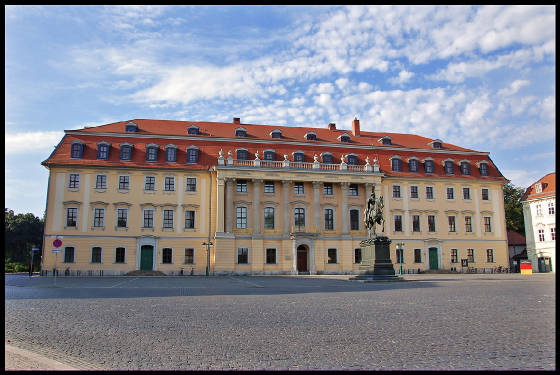
The duchies of Saxe-Weimar and Saxe-Eisenach had been ruled in personal union by the House of Wettin since 1741, after the Eisenach line had died out upon the death of Duke Wilhelm Heinrich. In 1804 Duke Charles Augustus’ eldest son and heir Charles Frederick married Maria Pavlovna Romanova, sister of Emperor Alexander I of Russia, a conjugal union which decisively promoted the rise of the Ernestine Saxe-Weimar dynasty. Though at first an ally of Prussia in the Napoleonic War of the Fourth Coalition, Duke Charles Augustus escaped his deposition by joining the Confederation of the Rhine on 15 December 1806. After the official merger in 1809, the Duchy of Saxe-Weimar-Eisenach consisted of the separate districts around the capital Weimar in the north and Eisenach in the west, further enlarged in 1815 by the district of Neustadt an der Orla in the east.
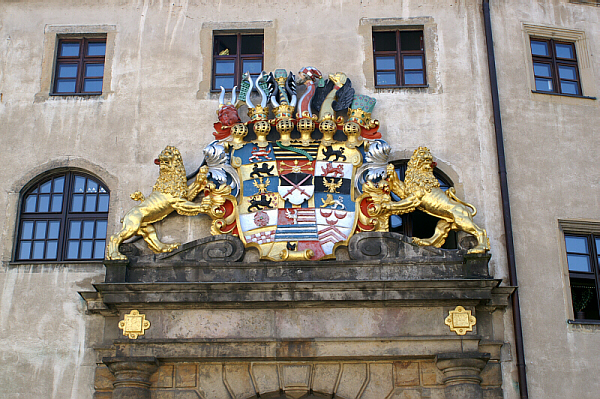
The History of the House of Wettin
The House of Wettin is a dynasty of German counts, dukes, prince-electors (Kurfürsten) and kings that once ruled the area of today’s German states of Saxony, the Saxon part of Saxony-Anhalt, and Thuringia for more than 800 years as well as holding at times the kingship of Poland. Agnates of the House of Wettin have, at various times, ascended the thrones of Great Britain, Portugal, Bulgaria, Poland, Saxony, and Belgium; of these, only the British and Belgian lines retain their thrones today. The oldest member of the House of Wettin who is known for certain was Thiedericus (died 982), who was probably based in the Liesgau (located at the western edge of the Harz). Around 1000, as part of the German conquest of Slavic territory, the family acquired Wettin Castle, after which they named themselves.

Wettin Castle is located in Wettin in the Hosgau on the Saale River. Around 1030, the Wettin family received the Eastern March as a fief. The prominence of the Wettin family in the Slavic marches caused Emperor Henry IV to invest them with the March of Meissen as a fief in 1089. The family advanced over the course of the Middle Ages: in 1263 they inherited the landgraviate of Thuringia (though without Hesse), and in 1423 they were invested with the Duchy of Saxony, centred at Wittenberg, thus becoming one of the
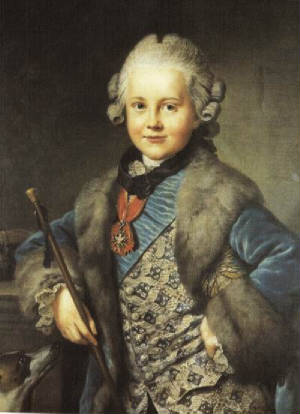
prince-electors of the Holy Roman Empire. The family divided into two ruling branches in 1485 when the sons of Frederick II, Elector of Saxony divided the territories hitherto ruled jointly. The elder son Ernest, who had succeeded his father as Prince-elector, received the territories assigned to the Elector (Electoral Saxony) and Thuringia, while his younger brother Albert obtained the March of Meissen, which he ruled from Dresden. As Albert ruled under the title of “Duke of Saxony”, his possessions were also known as Ducal Saxony.
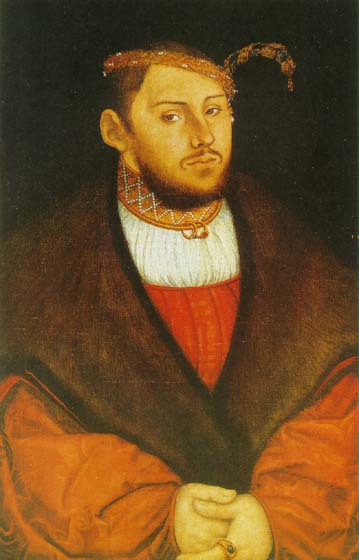
The older, Ernestine branch remained predominant until 1547 and played an important role in the beginnings of the Protestant Reformation. Their predominance ended in the Schmalkaldic War, which pitted the Protestant Schmalkaldic League against Emperor Charles V. Although itself Protestant, the Albertine branch rallied to the Empire’s cause; Charles V rewarded them by forcing the Ernestines to sign away their rights to the Electoral title and lands to the Albertines.
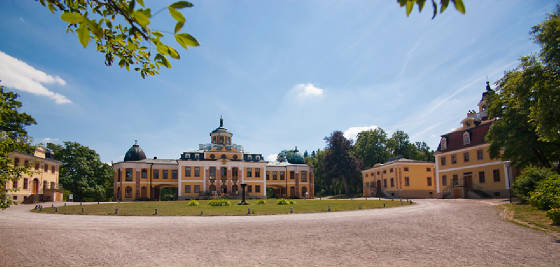
The Ernestine line was thereafter restricted to Thuringia, and its dynastic unity swiftly crumbled. The Albertine Wettin maintained most of the territorial integrity of Saxony, preserving it as a significant power in the region, and using small appanage fiefs for their cadet branches, few of which survived for significant lengths of time. The Ernestine Wettin, on the other hand, repeatedly subdivided their territory, creating an intricate patchwork of small duchies and counties in Thuringia.
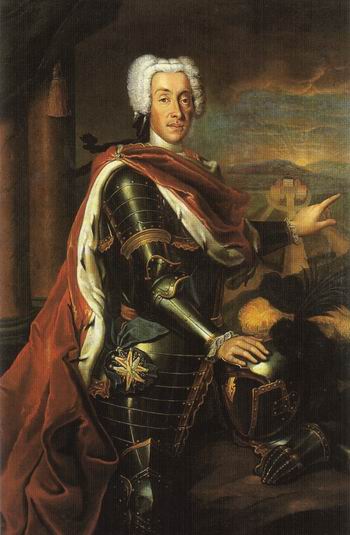
The junior Albertine branch ruled as Electors (1547-1806) and Kings of Saxony (1806-1918) and also played a role in Polish history: two Wettin were Kings of Poland (between 1697-1763) and a third ruled the Duchy of Warsaw (1807-1814) as a satellite of Napoleon. After the Napoleonic Wars, the Albertine branch lost about 40% of its lands, including the old Electoral Saxony, to Prussia, restricting it to a territory coextensive with the modern Saxony.
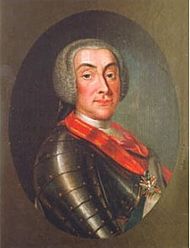
Duke of Saxe-Weimar-Eisenach – 1809-1815
- Charles Augustus, 1809-15; Duke of Saxe-Weimar and Saxe-Eisenach since 1758, until 1775 under the tutelage of his mother Duchess Anna Amalia of Brunswick-Wolfenbüttel
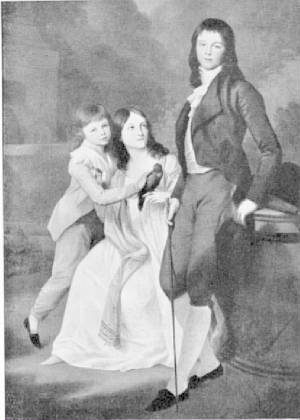
Grand Dukes of Saxe-Weimar-Eisenach – 1815-1918
- Charles Augustus, 1815-28
- Charles Frederick, 1828-53
- Charles Alexander, 1853-1901
- William Ernest, 1901-18
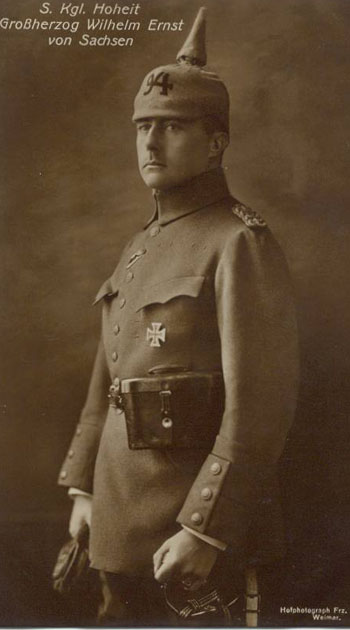
Heads of the House of Saxe-Weimar-Eisenach
- Grand Duke Wilhelm Ernst, 1918-23
- Hereditary Grand Duke Carl August, 1923-88
- Prince Michael, 1988-present
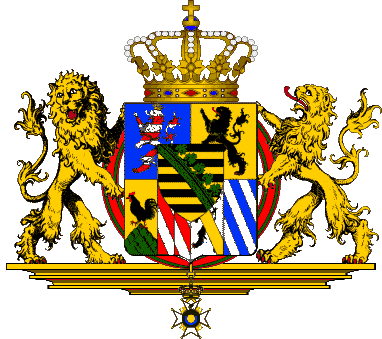
The Family Titles and Styles
The members of this family bear the titles Prince or Princess of Saxe-Weimar-Eisenach, Duke or Duchess of Saxony together with the formal appellation of His or Her Highness. The head of the house enjoys the style of Royal Highness.
The Genealogy of the Ducal House
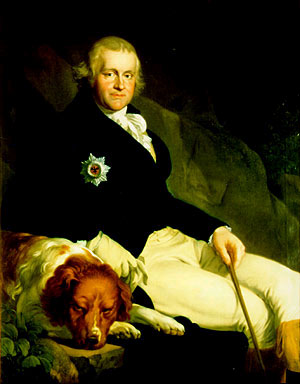
CARL AUGUST, Duke of Saxe-Weimar-Eisenach 28 May 1758, Grand Duke 21 Apr 1815 (Weimar 3 Sep 1757-Graditz 14 Jun 1828); m. Karlsruhe 3 Oct 1775 Luise, Landgravine of Hesse-Darmstadt (Berlin 30 Jan 1757-Weimar 14 Feb 1830)
1a) Luise Auguste Amalie (Weimar 3 Feb 1779-Weimar 24 Mar 1784)
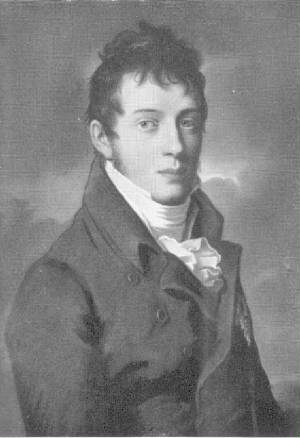
2a) CARL FRIEDRICH, Grand Duke of Saxe-Weimar-Eisenach (Weimar 2 Feb 1783-Belvedere, nr Weimar 8 Jul 1853); m. St. Petersburg 3 Aug 1804 Maria, Grand Dss of Russia (St. Petersburg 15 Feb 1786-Belvedere 23 Jun 1859)
1b) Paul Alexander Carl Constantin Friedrich August (Weimar 25 Sep 1805-Weimar 10 Apr 1806)
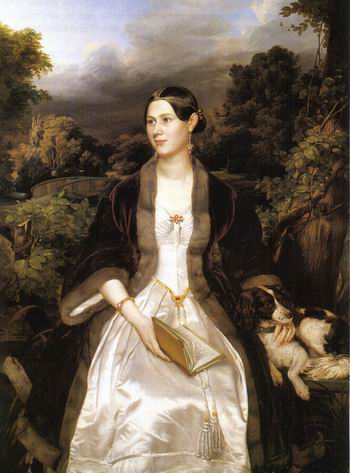
2b) Marie Luise Alexandrina (Weimar 3 Feb 1808-Berlin 18 Jan 1877); m. Charlottenburg 26 May 1827 Karl Pr of Prussia (Charlottenburg 29 Jun 1801-Berlin 21 Jan 1883)
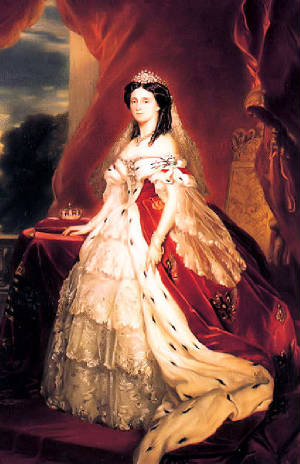
3b) Marie Luise Auguste Katharine (Weimar 30 Sep 1811-Berlin 7 Jan 1890); m. Berlin 11 Jun 1829 Wilhelm I, King of Prussia, Emperor of Germany (Berlin 22 Mar 1797-Berlin 9 Mar 1888)
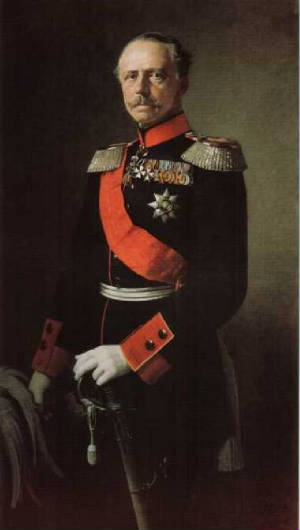
4b) CARL ALEXANDER August Johann, Grand Duke of Saxe-Weimar-Eisenach (Weimar 24 Jun 1818-Weimar 5 Jan 1901); m. The Hague 8 Oct 1842 Sophie Pss of the Netherlands (The Hague 8 Apr 1824-Weimar 23 Mar 1897)
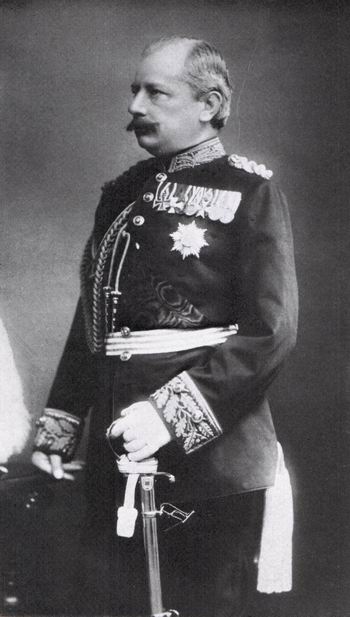
1c) Carl August Wilhelm Nicolaus Alexander Michael Bernhard Heinrich Friedrich Stephan, Hereditary Grand Duke of Saxe-Weimar-Eisenach (Weimar 31 Jul 1844-Cap Martin, France 20 Nov 1894); m. Friedrichshafen 26 Aug 1873 Pauline Pss of Saxe-Weimar-Eisenach (1852-1904; below)
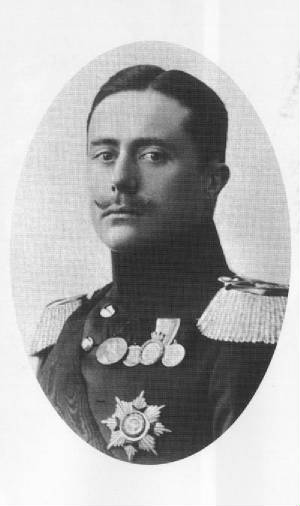
1d) WILHELM ERNST Carl Alexander Friedrich Heinrich Bernhard Albert Georg Hermann, Grand Duke of Saxe-Weimar-Eisenach, lost his throne 9 Nov 1918 (Weimar 10 Jun 1876-Heinrichau 24 Apr 1923); m.1st Bückeburg 30 Apr 1903 Karoline Pss Reuss (Greiz 13 Jul 1884-Weimar 17 Jan 1905); m.2d Meiningen 21 Jan 1910 Feodore Pss of Saxe-Meiningen (Hannover 29 May 1890-Freiburg 12 Mar 1972)
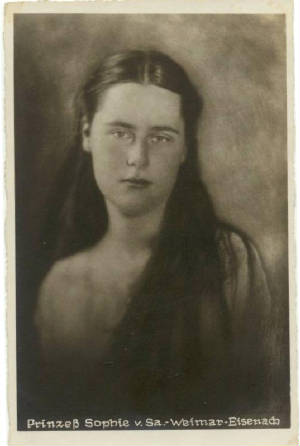
1e) Sophie Luise Adelheid Marie Olga Carola (Weimar 20 Mar 1911-Hamburg 21 Nov 1988); m. Heinrichau 7 Mar 1938 Friedrich Gunther Fst zu Schwarzburg (Grossharthau 5 Mar 1901-Munich 9 Nov 1971)
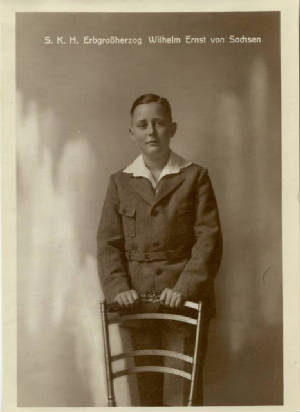
2e) CARL-AUGUST Wilhelm Ernst Friedrich Georg Johann Albrecht, Hereditary Grand Duke of Saxe-Weimar-Eisenach (Schloß Wilhelmsthal 28 Jul 1912-Schienen am Bodensee 14 Oct 1988); m. Wartburg 5 Oct 1944 Elisabeth Frn von Wangenheim-Winterstein (Tübingen 16 Jan 1912-Munich 15 Mar 2010)
1f) Elisabeth Sophie Feodora Mathilde Dorothea Louise Adelaide Vera Renate (b. Burgellern bei Bamberg 22 Jul 1945); m. Munich 10 Jul 1981 (div 1983) Mindert Diderik de Kant (Leeuwarden, Netherlands 6 Aug 1934)
2f) MICHAEL-Benedikt Georg Jobst Carl Alexander Bernhard Claus Friedrich, Prince of Saxe-Weimar-Eisenach (b. Bamberg 15 Nov 1946); m.1st (civ) Hamburg-Eimsbüttel 9 Jun 1970 (rel) Linnep bei Breitscheid 4 Jul 1970 (div 1974) Renate Henkel (b. Heidelberg 17 Sep 1947); m.2d London 15 Nov 1980 Dagmar Hennings (b. Niederpöcking 24 Jun 1948)
1g) Leonie Mercedes Augusta Silva Elisabeth Margarethe (b. Frankfurt 30 Oct 1986)
3f) Beatrice-Maria Margareta Dorothea Felicitas Virginie (b. Bamberg 11 Mar 1948); m. London 9 Dec 1977 Martin Charles Davidson (b. London 23 Sep 1940)
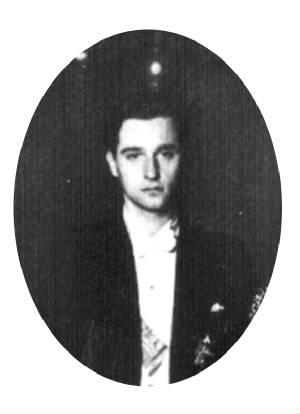
3e) Bernhard Friedrich Viktor Rupprecht Adalbert Ernst Ludwig Hermann Heinrich (Weimar 3 Mar 1917-Wiesbaden 23 Mar 1986); m. Heinrichau 12 Mar 1943 (div 1956) Felicitas Pss zu Salm-Horstmar (b. Potsdam 31 Mar 1920)
- 1f) Katharina Feodora Adelheid Sabine Sophie Felicitas Sieglinde (b. Breslau 30 Nov 1943); m.(civ) Hechingen (rel) Burg Hohenzollern 25 May 1968 (div 1985) Emanuel Joseph Pr von Hohenzollern (Munich 23 Feb 1929-Hechingen 8 Feb 1999)
- 2f) Alexander Georg (Jagdhaus Zillbach 12 Apr 1945-Meiningen 7 Jun 1945)
- 3f) Wilhelm Ernst Emich Georg Rudolf (b. Höxter 10 Aug 1946); m. Munich 1 Jun 1973 (div 1985) Eva Kovarcz (b. Obervellach, Carinthia 10 Nov 1945)
- 1g) Désirée Elisabeth Katharina Felicitas Sophie (b. Munich 19 Jul 1974); m. Pleinfeld 6 Jul 2000 (rel) Ellingen 8 Jul 2000 Florian Gf v.u.zu Hoensbroech (b. Kellenberg 1 Mar 1969)
- 2g) Georg-Constantin Friedrich Eilhelm Johannes (b. Munich 13 Apr 1977)
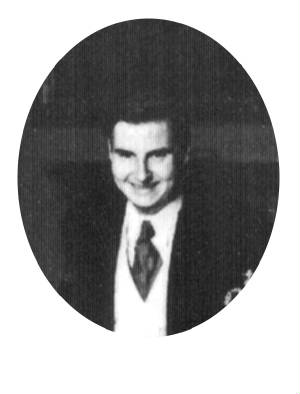
4e) Georg Wilhelm Albert Bernhard, renounced his rights and took the name “Jörg Brena” 22 Jan 1953 (Heinrichau 24 Nov 1921-Bad Krozingen 11 Mar 2011); m. Freiburg im Breisgau 5 Feb 1953 Gisela Jänisch (Hamburg 5 May 1930-Freiburg 26 Jul 1989)
1f) Luise-Ariane Brena (b. Freiburg 17 Jan 1954)
2f) Adelheid-Cornelie Brena (b. Freiburg 22 Jun 1955); m.1st Freiburg-im-Briesgau 14 Dec 1976 Thomas August Landsberg (b. Göttingen 17 May 1945); m.2d Dietmar Berron; m.3d Dec 2003 William Diaz Cespedes (b. Santiago, Cuba 16 Mar 1965)
3f) Isobel Madeleine Brena (b. Freiburg 14 Oct 1959)
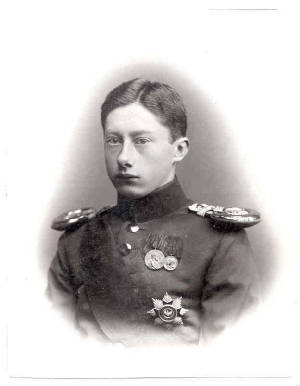
2d) Bernhard Carl Alexander Hermann Heinrich Wilhelm Oscar Friedrich Franz Peter (Weimar 18 Apr 1878-Weimar 1 Oct 1900)
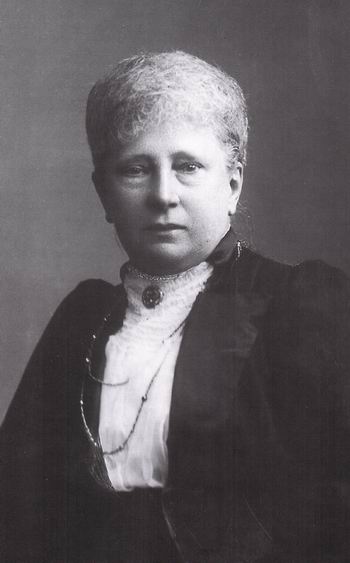
2c) Marie Anna Alexandrine Sophie Auguste Helene (Weimar 20 Jan 1849-Trebschen 6 May 1922); m. Weimar 6 Feb 1876 Heinrich VII Pr Reuss (Klipphausen 14 Jul 1825-Trebschen 2 May 1906)
- 3c) Maria Anna Sophia Elisabeth Bernhardine Ida Auguste Helene (Weimar 29 Mar 1851-Weimar 26 Apr 1859)
- 4c) Elisabeth Sibylle Maria Dorothea Anna Amalie Luise (Weimar 28 Feb 1854-Wiligrad 10 Jul 1908); m. Weimar 6 Nov 1886 Johann Albrecht, Duke of Mecklenburg-Schwerin (Schwerin 8 Dec 1857-Wiligrad 16 Feb 1920)
- 3a) Carolina Luise (Weimar 18 Jul 1786-Ludwigslust 20 Jan 1816); m. Weimar 1 Jul 1810 Friedrich Ludwig, Hereditary Grand Duke of Mecklenburg-Schwerin (Ludwigslust 13 Jun 1778-Ludwigslust 29 Nov 1819)
- 4a) Carl Bernhard (Weimar 30 May 1792-Liebenstein 31 Jul 1862); m. Meiningen 30 May 1816 Ida Pss of Saxe-Meiningen (Meiningen 25 Jun 1794-Weimar 4 Apr 1852)
- 2b) Wilhelm Carl (Ghent 25 Jun 1819-Nymwegen 22 May 1839)
- 3b) Amalie Auguste Cecilia (Ghent 30 May 1822-Ghent 16 Jun 1822)
1b) Luise Wilhelmine Adelheid (Ghent 31 Mar 1817-Windsor Castle 11 Jul 1832)
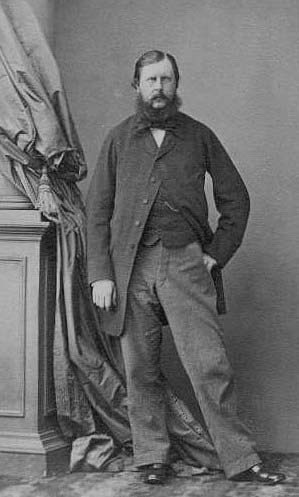
4b) Wilhelm August Eduard (Bushy Park 11 Oct 1823-London 16 Nov 1902); m. London 27 Nov 1851 Lady Augusta Gordon-Lennox (Goodwood House, London 14 Jan 1827-London 3 Apr 1904)
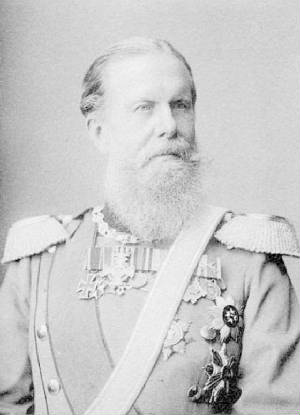
5b) Hermann Bernhard Georg (Schloß Altenstein 4 Aug 1825-Berchtesgaden 31 Aug 1901); m. Friedrichshafen 17 Jun 1851 Auguste Pss of Württemberg (Stuttgart 4 Oct 1826-Stuttgart 3 Dec 1898)
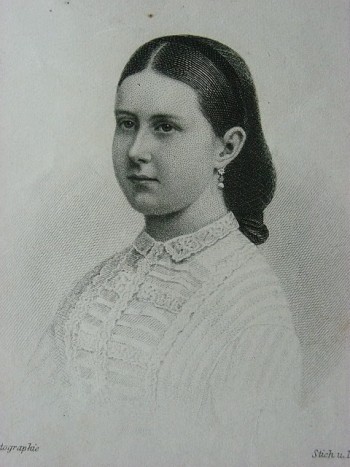
1c) Pauline Ida Marie Olga Henriette Catharina (Stuttgart 25 Jul 1852-Orte, Italy 17 May 1904); m. Friedrichshafen 26 Aug 1873 Carl August, Hereditary Grand Duke of Saxe-Weimar-Eisenach (31 Jul 1844-20 Nov 1894; above)
2c) Wilhelm Carl Bernhard Hermann (Stuttgart 21 Dec 1853-Baden-Baden 15 Dec 1924); m. Wächtersbach 11 Apr 1885 Gerta Pss zu Isenburg-Büdingen in Wächtersbach (Wächtersbach 18 Jan 1863-Baden-Baden 27 Nov 1945)
1d) Hermann Carl Bernhard Ferdinand Friedrich Wilhelm August Paul Philipp, renounced his rights and was cr Gf von Ostheim 2 Aug 1909 (Düsseldorf 14 Feb 1886-London 6 Jun 1964); m.1st London 5 Sep 1909 (div 1911) Wanda Paola Lottero (Sportono 14 Jul 1881 [though some sources say Genoa 14 Jul 1884]-Genoa 8 Jul 1963); m.2d Heidelberg 4 Aug 1918 Aagot Midling (Larvik, Norway 3 Mar 1886-Paris 16 Oct 1931); m.3d Paris 28 Nov 1932 Isabel Nielson (New York City 3 Feb 1895-London 13 Jul 1981)
- 1e) Alexander-Kyrill Wilhelm Hermann Nikolaus Gf von Ostheim (Munich 7 Aug 1922-Stockholm 28 Mar 1943)
- 2d) Albert Wilhelm Carl Hermann Bernhard August Friedrich (Düsseldorf 31 Dec 1886-k.a.in France 9 Sep 1918)
- 3d) Sophie Auguste Ida Caroline Pauline Agnes Elisabeth Ernestine (Düsseldorf 25 Jul 1888-Heidelberg 18 Sep 1913)
- 3c) Bernhard Wilhelm Georg Hermann, renounced his rights and was cr Gf von Crayenberg 24 May 1901 (Stuttgart 10 Oct 1855-Hannover 23 Dec 1907); m.1st London 10 Oct 1900 Marie Luise Brockmüller (Lübeck 6 May 1866-Hannover 11 Mar 1903); m.2d Berlin 1 Apr 1905 Elisabeth Gfn von der Schulenburg (Erfurt 1 Apr 1869-Berlin-Wilmersdorf 25 Dec 1940)
- 4c) Alexander Wilhelm Bernhard Carl Hermann (Stuttgart 22 Jun 1857-Baden-Baden 5 Sep 1891)
- 5c) Ernst Carl Wilhelm (Stuttgart 9 Aug 1859-Neu-Wittelsbach 9 Jan 1909)
- 6c) Olga Maria Ida Sophia Pauline Auguste (Stuttgart 8 Sep 1869-Berchtesgaden 12 Jan 1924); m. Heidelberg 22 Apr 1902 Leopold Pr zu Isenburg-Büdingen in Birstein (Offenbach 10 Mar 1866-Munich 30 Jan 1933)
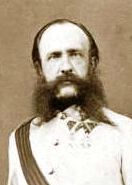
6b) Friedrich Gustav Carl (Zeewerghem 28 Jun 1827-Vienna 6 Jan 1892); m. Vienna 14 Feb 1870 Pierina Marocchia Edle di Marcaini, cr Frn von Neuperg 23 May 1872 (Slano 14 May 1845-Vienna 22 Apr 1879)
7b) Anna Amalia Maria (Zeewerghem 9 Sep 1828-Liebenstein 14 Jul 1864)
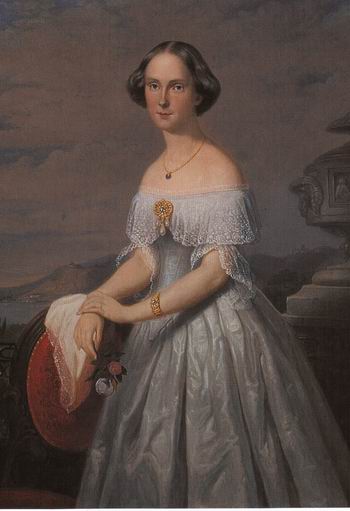
8b) Amalia Maria da Gloria Auguste (Ghent 20 May 1830-Wolferdingen 1 May 1872); m. Weimar 19 May 1853 Henrik Pr of the Netherlands (Soestdijk Palace 13 Jun 1820-Wolferdingen 13 Jan 1879)
- 5a) [illegitimate by Eva Dorothea Wiegand (1755-1828)] Johann Karl Sebastian Klein (Stützerbach 9 Jun 1779-Weimar 28 Jun 1830); m. Ettersberg 22 Apr 1817 Anna Friedrike Henriette Müller (Weimar 22 Jul 1797- )
- 1b) Karl Ferdinand Klein, b. Weimar 9 Dec 1817
- 2b) Heinrich Klein, b. Weimar 10 Sep 1821
- 3b) August Klein, b. Weimar 7 Mar 1828
- 6a) [illegitimate by Luise Rudorf (1777-1852] Karl Wilhelm von Knebel (Templin 18 Jan 1796-Jena 16 Nov 1861); m.1st Gumperda bei Kahla 6 Feb 1825 (div 1837) Friederike von Geusau (Burkersdorf 17 Jan 1785- ); m.2d Jena 14 May 1839 Josephine Karoline Emilie Trautmann (Königshofen 4 Oct 1807-26 Jul 1888)
- 1b) Oskar von Knebel (Gumperda 9 Aug 1826-17 Apr 1827)
- 2b) Bernhard von Knebel (Jena 26 Nov 1846-Weimar 16 Jun 1863)
- 3b) Malwine von Knebel, b. Jena 25 Sep 1840; m.12 Sep 1862 Hugo Buchholz (d.8 Feb 1866)
- 4b) Therese von Knebel, b. Jena 13 Nov 1842; m. Lübeck 20 Jun 1865 Hugo Gyldén (d.1896)
- 1b) Karl Friedrich von Heygendorff (Dresden 7 Sep 1832-Dresden 18 Aig 1833)
- 2b) Bernhard von Heygendorff (Dresden 19 Mar 1834-Dresden 24 Apr 1916); m. Wiederode bei Wernsdorf 1864 Emmy Müller (Festung Königstein 6 Mar 1837-Dresden 17 Dec 1913)
- 2c) Alfred von Heygendorff (Elster 1 Mar 1868-k.a. Rancourt 12 Sep 1916); m. Dresden 26 May 1894 Elsa von Wittern (Leipzig 1 Mar 1871-Dresden 3 Oct 1947)
- 2d) Ralph von Heygendorff (Dresden 15 Aug 1897-Remscheid-Lennep 10 Dec 1953); m. Leipzig 18 Aug 1924 Edith von Feilitzsch (Zwickau 4 Oct 1899-Pinneberg 19 Jun 1962)
- 1e) Joachim von Heygendorff, b. Dresden 2 Jun 1927; m. Wermelskirchen 30 Jan 1954 Marianne Piper (b. Geilenkirchen 11 Jun 1928)
- 1f) Regina von Heygendorff, b. Köln 24 Aug 1956
- 2f) Astrid von Heygendorff, b. Köln 3 Jun 1960
- 3f) Stefanie von Heygendorff, b. Bensberg 31 Jan 1964
- 2e) Wolfgang von Heygendorff, b. Dresden 27 Oct 1932; m. Fritzlar 29 Jul 1959 Gisela Mischke (Lauenburg, Pomerania 8 Sep 1934)
- 1f) Peter von Heygendorff, b. Fritzlar 11 Mar 1960
- 2f) Klaus von Heygendorff, b. Kassel 1 May 1964
- 3e) Irene von Heygendorff, b. Dresden 28 Aug 1937; m. Köln 21 Nov 1958 Dieter Renken
- 3c) Werner von Heygendorff (Elster 19 May 1869-Leipzig 18 Mar 1935)
- 4c) Gottfried von Heygendorff (Elster 18 Oct 1871-Arnsdorf 10 Jun 1924)
- 3b) Alfred von Heygendorff (Dresden 8 May 1835-Munich 27 Jul 1914); m. Munich 13 Jun 1896 Anna Maria Müller (Grund bei Dresden 27 Dec 1858-Lohmen 31 Jan 1923)
- 4b) Karl von Heygendorff (Pirna 15 Jul 1840-New York 25 Feb 1917); m.1st New York 25 Dec 1878 Anna Margarethe Geier (Cincinnati 17 Sep 1858-New York 28 Jan 1884); m.2d Leipzig 1 Sep 1885 Margarethe Schilling (Lauchhammer 7 Jul 1859-New York 16 Apr 1918)
- 1c) Karl von Heygendorff (New York 19 Sep 1883-San Pedro CA 10 Mar 1928); m. San Francisco 15 Jul 1913 Catherine Murray (Detroit 25 Nov 1879-Los Angeles 27 Jan 1930)
- 2c) Leo von Heygendorff, b. San Francisco 30 Dec 1898; m. San Francisco 1 Jan 1927 Helen Larson (b. Chicago 28 Jul 1894)
- 3c) Therese von Heygendorff, b. New York 22 Sep 1880
- 4c) Margarete von Heygendorff (19 Sep 1893-Denver 26 Jul 1894)
- 6b) Marie von Heygendorff (Dresden 5 Sep 1837-Geilsdorf 17 Oct 1913); m. Zabeltitz 21 Jun 1859 Leo von Nauendorff (d. Geilsdorf 31 Oct 1902)
- 7b) Karoline von Heygendorff (Dresden 25 Dec 1838-Sollschwitz 1 Sep 1865); m. Siebeneichen 14 Jul 1864 Bruno von Watzdorf (d.8 Jun 1903)
- 9a) [illegitimate by Henriette Caroline Friederike Jagemann (cr 1809 Frau von Heygendorf)] Mariana von Heygendorff (Weimar 8 Apr 1812-‘s Gravenhage 10 Aug 1836); m. Mannheim 15 Oct 1835 Daniel Baron Tindal (d. Freiwaldau, Silesia 12 Feb 1856)
7a) [illegitimate by Henriette Caroline Friederike Jagemann (cr 1809 Frau von Heygendorf)] Carl von Wolfgang, then Carl von Heygendorf, godson of Goethe (Weimar 25 Dec 1806-Dresden 17 Feb 1895); m.1st Mannheim 1 Jun 1831 Meta Abegg (Elbing 16 Apr 1810-Dresden 23 May 1835); m.2d Dresden 10 Oct 1836 Therese von Watzdorf (Dresden 4 Dec 1808-Dresden 31 Aug 1841); m.3d Erdmannsdorf bei Chemnitz 24 Dec 1848 Rosa Frn von Koenneritz (Dresden 1 Jan 1823-Dresden 30 Sep 1906)
1c) Bernhard von Heygendorff (Grimma 22 Mar 1866-Dresden 3 Oct 1932)
1d) Egon von Heygendorff (Dresden 18 Jun 1896-k.a. Mamnoncourt 10 Sep 1916
3d) Wera von Heygendorff, b. Dresden 7 Nov 1904
5b) Maximilian von Heygendorff (Dresden 19 Sep 1850-Neuilly, St-Front 1 Oct 1870)
8a) [illegitimate by Henriette Caroline Friederike Jagemann (cr 1809 Frau von Heygendorf)] August von Heygendorff (Weimar 10 Aug 1810-Dresden 23 Jan 1874)