
Nobility and directory
Indian Princely Families and States
History and Register of the Princely Families and States of India
- Jurisdiction
- International
- Entry type
- directory
- Editorial status
- Imported — unreviewed

Nobility of the World Volume VIII – India
The History and Register of the Princely Families and States of India
A Indian Princely State (also called Native State or Indian State) was a nominally sovereign entity of British rule in India that was not directly governed by the British, but rather by an Indian ruler under a form of indirect rule such as suzerainty or paramountcy. There were officially 565 princely states when India became independent in 1947, but the great majority had contracted with the Viceroy to provide public services and tax collection. Only 21 had actual state governments, and only three were large (Mysore, Hyderabad and Kashmir). They were absorbed into the two new independent nations in 1947-49. The absorption process was peaceful except in Kashmir (which became bitterly divided between India and Pakistan) and Hyderabad. All the princes were eventually pensioned off.
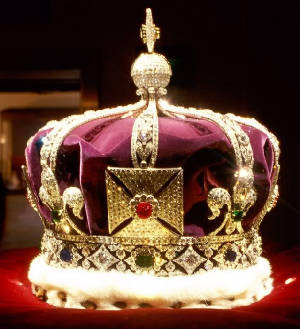
The Princely States of India
Before the Partition of India in 1947, their were hundreds of Princely States, also called Native States, that existed in India which were not part of British India. These were the parts of the Indian subcontinent which had not been conquered or annexed by the British but were subject to subsidiary alliances. Things moved quickly after the partition of British India in 1947. By the end of 1949, all of the states except Sikkim had chosen to accede to one of the newly independent states of India or Pakistan or else had been annexed.
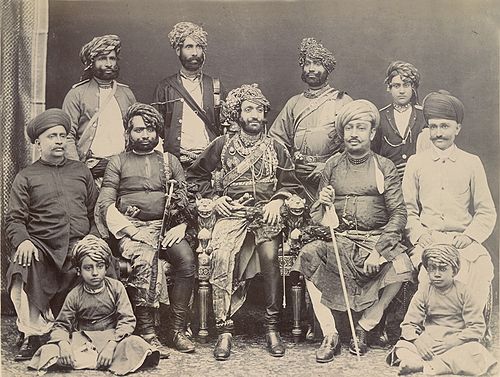
In principle, the princely states had internal autonomy, while by treaty the British had suzerainty and were responsible for their external affairs. In practice, while the states were indeed ruled by potentates with a variety of titles, such as Raja, Maharaja, Nawab, Khan or Nizam, the British had considerable influence. By the time of the departure of the colonial power in 1947, only four of the largest of the states still had their own British Resident, a diplomatic title for advisors present in the states’ capitals, while most of the others were grouped together into Agencies, such as the Central India Agency, the Deccan States Agency, and the Rajputana Agency. From 1920, the states were represented in the Chamber of Princes, which held its meetings in New Delhi. The most important states were ranked among the salute states.
By the Indian Independence Act 1947, the British gave up their suzerainty of the states and left each of them free to choose whether to join one of the newly independent countries of India and Pakistan. For a short time, some of the rulers explored the possibility of a federation of the states separate from either, but this came to nothing. Most of the states then decided to accede to India or to Pakistan, while others which held out for the possibility of independence were later invaded by India, such as Junagadh (1947-1948), Hyderabad on 18 September 1948, Bilaspur on 12 October 1948, and Bhopal on 1 May 1949. Dewan of Travancore chose to remain an independent country.
In Jammu and Kashmir, a state with a Muslim majority but a Hindu ruler, the Maharaja hoped to remain independent but acceded to India on 27 October 1947 at the outset of the invasion of Jammu and Kashmir by Pakistan – leading to the Indo-Pakistani War of 1947. On 31 March 1948, Kalat acceded to Pakistan, although the brother of the Khan led a rebellion against this decision. The last remaining independent state, Sikkim, was incorporated into India on 16 May 1975, following a referendum in which people of Sikkim overwhelmingly voted for this.
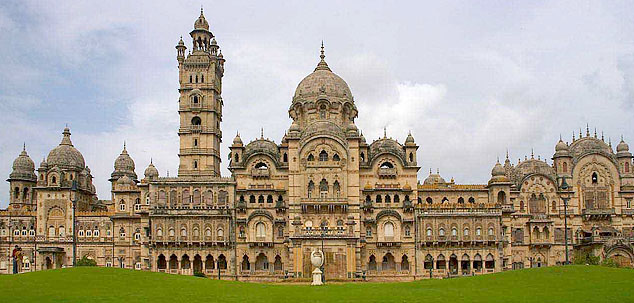
The Salute States of India
A Salute state was a princely state in India during the time of British rule which had been granted a gun salute by the British Crown (as paramount ruler); i.e., the protocollary privilege for its ruler to be greeted – originally by Royal Navy ships, later also on land – with a number of gun shots, as recognition of the state’s relative status. When the ruler of a princely state arrived at the Indian capital (originally at Calcutta (Kolkata), then at Delhi), he was greeted with a number of gun-firings.
The number of these consecutive “gun salutes” changed from time to time, being increased or reduced depending on the degree of honour which the British chose to accord to a given ruler. The number of gun salutes accorded to a ruler was usually a reflection of the state of his relations with the British and/or his perceived degree of political power; a 21-gun salute was considered the highest. The King (or Queen) of the United Kingdom (who until 1948 was also the Emperor of India) was accorded a 101-gun salute, and 31 guns were used to salute the Viceroy of India.
The number of guns in a salute assumed particular importance at the time of holding of the Coronation Durbar in Delhi in the month of December, 1911. The Durbar was held to commemorate the Coronation of H.I.M. George V with the consequent firing of guns lasting almost all day and causing severe hearing disabilities to many attendees. At that time there were three Princely States that were given 21 gun salutes. These were: H.H. The Nizam of Hyderabad; H.H. The Maharaja (Gaekwad) of Baroda State; H.H. The Maharaja of Mysore. Apart from these three, no other Princely State was given 21 gun salutes. There were, however, other Princely States, which enjoyed a salute of 21 gun within the limits of their own state and 19 guns in the rest of India. For example, H.H. the Maharaja of Jammu and Kashmir; H.H. The Maharaja (Scindhia) of Gwalior; H.H. The Maharaja (Holkar) of Indore; H.H. The Maharana of Udaipur (Mewar). The then Maharaja of Travancore also held a personal 21 gun salute.
In 1917, the Maharaja of Gwalior was upgraded to a permanent and hereditary 21-gun salute, and the Maharaja of Jammu and Kashmir was granted the same in 1921. Both were granted the increased ranks as a result of the meritorious services of their soldiers in the First World War. The Nizam, Maharajas, Princes, etc. were all deeply keen on protocol and ensured that it was practiced as a matter of faith. Any departure from it was not taken kindly by them. Salute of guns was one such protocol that was strictly adhered to.
Hereditary salutes of 21-guns
H.E.H. the Nizam of Hyderabad and Berar
H.H. the Maharaja of Mysore
H.H. the Maharaja of Jammu and Kashmir
H.H. the Maharaja Gaekwar of Baroda
H.H. the Maharaja Scindia of Gwalior
Hereditary salutes of 19-guns – 21-guns local
H.H. the Nawab of Bhopal
H.H. the Maharaja Holkar of Indore
H.H. the Maharana of Udaipur
Hereditary salutes of 19-guns
H.H. the Maharaja of Kolhapur
H.H. the Maharaja of Travancore
Hereditary salutes of 17-guns – 19-guns personal
H.H. the Maharaja of Kotah
Hereditary salutes of 17-guns – 19-guns local
H.H. the Maharaja of Bharatpur
H.H. the Maharaja of Bikaner
H.H. the Maharao of Cutch
H.H. the Maharaja of Jaipur
H.H. the Maharaja of Jodhpur
H.H. the Maharaja of Patiala
Hereditary salutes of 17-guns
H.H. the Maharao of Bundi
H.H. the Maharaja of Cochin
H.H. the Maharaja of Karauli
H.H. the Maharaja of Rewa
H.H. the Nawab of Tonk
Hereditary salutes of 15-guns – 17-guns personal
H.H. the Maharaj Rana of Dholpur
Hereditary salutes of 15-guns – 17-guns local
H.H. the Maharaja of Alwar
Hereditary salutes of 15-guns
- H.H. the Maharawal of Banswara
- H.H. the Maharaja of Datia
- H.H. the Maharaja of Dewas – Senior
- H.H. the Maharaja of Dewas – Junior
- H.H. the Maharaja of Dhar
- H.H. the Maharawal of Dungarpur
- H.H. the Maharaja of Idar
- H.H. the Maharaja of Jaisalmer
- H.H. the Maharaja of Kishangarh
- H.H. the Maharaja of Orchha
- H.H. the Maharawat of Partabgarh
- H.H. the Nawab of Rampur
- H.H. the Maharaja of Sikkim
- H.H. the Maharao of Sirohi
Hereditary salutes of 13-guns – 15-guns personal and local
H.H. the Maharaja of Jind
H.H. the Nawab of Junagadh
H.H. the Maharaja of Kapurthala
Hereditary salutes of 13-guns – 15-guns local
H.H. the Maharaja of Benares
H.H. the Maharaja of Bhavnagar
H.H. the Maharaja of Nabha
H.H. the Maharaja Jam Sahib of Nawanagar
H.H. the Maharaja of Ratlam
Hereditary salutes of 13-guns
H.H. the Maharaja of Cooch Behar
H.H. the Maharaja Raj Sahib of Dhrangadhra-Halvad
H.H. the Nawab of Jaora
H.H. the Maharaj Rana of Jhalawar
H.H. the Nawab of Palanpur
H.H. the Maharaja Rana Sahib of Porbandar
H.H. the Maharaja of Rajpipla
H.H. the Maharaja of Tripura
Hereditary salutes of 11-guns – 13-guns local
H.H. the Nawab of Janjira
Hereditary salutes of 11-guns
- H.H. the Maharaja of Ajaigarh
- H.H. the Raja of Ali Rajpur
- H.H. the Nawab of Baoni
- H.H. the Maharana of Barwani
- H.H. the Maharaja of Bijawar
- H.H. the Nawab of Cambay
- H.H. the Raja of Chamba
- H.H. the Maharaja of Charkhari
- H.H. the Maharaja of Chhatarpur
- H.H. the Raja of Faridkot
- H.H. the Maharaja of Gondal
- H.H. the Raja of Jhabua
- H.H. the Raja of Bilaspur
- H.H. the Nawab of Maler Kotla
- H.H. the Raja of Mandi
- H.H. the Raja of Manipur
- H.H. the Maharaja of Morvi
- H.H. the Raja of Narsinghgarh
- H.H. the Maharaja of Panna
- H.H. the Raja of Pudukkottai
- H.H. the Nawab of Radhanpur
- H.H. the Raja of Rajgarh
- H.H. the Raja of Sailana
- H.H. the Raja of Samthar
- H.H. the Maharaja of Sirmur
- H.H. the Raja of Sitamau
- H.H. the Raja of Suket
- H.H. the Maharaja of Tehri Garhwal
- H.H. the Maharana Raj Sahib of Wankaner
Hereditary salutes of 9-guns – 11-guns personal
H.H. the Maharaol of Baria
H.H. the Raja of Dharampur
H.H. the Raja of Sangli
Personal salute of 11-guns
H.H. the Aga Khan
Hereditary salute of 9-guns – 11-guns local
H.H. the Raja of Savantwadi
Hereditary salutes of 9-guns
- The Nawab of Balasinor
- The Nawab of Banganapalle
- The Maharaja of Bansda
- The Raja of Baraundha
- The Raja of Bhor
- The Raja of Chhota Udepur
- The Maharana of Danta
- The Thakore Sahib of Dhrol
- The Maharaja of Jawhar
- The Maharaja of Kalahandi
- The Raja of Khilchipur
- The Thakore Sahib of Limbdi
- The Nawab of Loharu
- The Maharana of Lunawada
- The Raja of Maihar
- The Maharaja of Mayurbhanj
- The Raja of Mudhol
- The Raja of Nagod
- The Thakore Sahib of Palitana
- The Maharaja of Patna
- The Thakore Sahib of Rajkot
- The Nawab of Sachin
- The Raja of Sant
- The Raja of Shahpura
- The Maharaja of Sonepur
- The Maharana of Wadhwan
Personal salute of 9-guns
The Raja of Bashahr
The Non-Salute States of India
The vast majority of the Indian states were not entitled to gun-salutes. These were mainly smaller geographical units, some little more than a few square miles. They may have been acquired by conquest or, owed allegiance to some larger regional power at some previous time in history. The powers enjoyed by the rulers of these states were usually more limited than those of the salute states and they were not entitled to the hereditary style of Highness. Precedence was usually arranged on a local or provincial basis.
- AGAR AGRA BARKHERA AJRAODA
- AKALKOT AKDIA ALAMPUR
- ALIPURA ALWA AMALA
- AMBLIARA AMOD AMRAPUR (Kathiawar)
- AMRAPUR (Rewa Kantha) ANANDPUR ANGHAD
- ANKEVALIA ARNIA ATHGARH
- ATHMALIK AUNDH BABRA
- BAGASRA BAGASRA HADALA BAGASRA KHARI
- BAGASRA NATWAR BAGASRA RAM BAGHAL
- BAGHAT BAGLI BAI
- BAJANA BAKHTGARH BALSAN
- BAMANBOR BAMRA BANERA
- BANKA PAHARI BANTVA MANAVADAR BANTVA SARDARGADH
- BARAMBA BARDIA BARKHERA DEO DUNGRI
- BARKHERA PANTH BARWALA BASODA
- BASTAR BAUDH BERI
- BHABHAR BHADAURA BHADLI
- BHADVANA BHADWA BHAISOLA
- BHAJJI BHALALA BHALGAM BHALDOI
- BHALGAMDA BHALUSNA BHANDARIA
- BHAREJDA BHARUDPURA BHATHAN
- BHATKHERI BHAWAL BHIOLDIA
- BHIMORIA BHOIKA BHOJAKHERI
- BHOJAVADAR BHOROLE BICHHRAND-Senior
- BICHHRAND-Junior BIHAT BIHORA
- BIJA BIJNA BILAUD
- BILAUDA BILBARI BILDI
- BOAD BODANONES BOLUNDRA
- BONAI BORKHERA (Indore) BORKHERA (Malwa)
- CHACHANA CHAMARDI CHANGBHAKAR
- CHARKHA CHERRA CHHALALA
- CHHALIAR CHHOTA BARKHERA CHHUIKADAN
- CHIKTIABAR CHINCHLI GADAD CHIRODA
- CHITRAVAO CHOBARI CHOK
- CHORANGLA CHOTILA CHUDA
- CHUDESAR DABHA DABR
- DADHALIA DAHIDA DAPHLAPUR
- DARIA KHERI DARKOTI DAROD
- DASADA DASPALLA DATANA
- DATHA DEBHAVATI DEDAN
- DEDARDA DEDHROTA DELOLI
- DEODAR DERDI JANBAI DEROL
- DEVALIA DEVLIA DHABLA DHIR
- DHABLA GHOSI DHAMASIA DHAMI
- DHAORA GANJARA DHARI DHARNAUDA
- DHENKANAL DHOLA DHOLARVA
- DHULATIA DHURWAI DODKA
- DRAPHA DUDHPUR DUDHREJ
- DUGRI DUJANA GABAT
- GAD BORIAD GADHALI GADHIA
- GADHKA GADHULA GADVI
- GANDHOL GANGPUR GARAMLI MOTI
- GARAMLI NAHANI GARHA GARHI
- GARRAULI GAURIHAR GAVRIDAD
- GEDI GHODASAR GIGARSARAN
- GOTARDI GOTHDA GUNDIALI
- HALARIA HAPA HAROL
- HINDOL HINDUR HIRAPUR
- ILPURA ILOL ITRIA
- ITVAD JABRIA BHIL JAFARABAD
- JAKHAN JALIA MANAJI JALIA DEVANI
- JALIA KAYAJI JAMBHUGHODA JAMKHANDI
- JAMNIA JASDAN JASHPUR
- JASO JATH JAWASIA
- JESAR JETPUR JHALERA
- JHAMAR JHAMKA JHAMPODAR
- JHARI GHARKHADI JHINJHUVADA JIGNI
- JIRAL KAMSOLI JOBAT JUBBAL
- JUMKHA JUNAPADAR KACHCHI BARODA
- KADANA KADOLI KALI BAORI
- KALSIA KALU KHERA KAMADHIA
- KAMALPUR (Bombay) KAMALPUR (CI) KAMBHALA
- KAMTA RAJAULA KANADA KANER
- KANJARDA KANKER KANKREJ
- KANKSIALI KANPUR ISHWARIA KANTHARIA
- KARAUDIA KARIANA KARMAD
- KAROL KASLA PAGINA MUVADA KASSALPURA
- KATHAUN KATHIAWARA KATHROTA
- KATODIA KATOSAN KAWARDHA
- KAYATHA KEONJHAR KEONTHAL
- KERWADA KESRIA KHADAL
- KHAIRAGARH KHAJURI KHAMBLAV
- KHANDIA KHANDPARA KHANIADHANA
- KHARSAWAN KHARSI KHEDAWADA
- KHERALI KHERAWARA KHERI RAJPUR
- KHERWASA KHIAUDA KHIJADIA (Gohilwar)
- KHIJADIA (Surath) KHIRASRA KHOJANKHERA
- KHYRIM KIRLI KOREA
- KOTDA NAYANI KOTDA PITHA KOTDA SANGANI
- KOTHARIA KUBA KUMHARSAIN
- KUNIHAR KURUNDVAD-Senior KURUNDVAD-Junior
- KURWAI KUSHALGARH KUTHAR
- LAKHAPADAR LAKHTAR LALGARH
- LALIYAD LANGRIN LATHI
- LAVEJ LAWA LIKHI
- LIMBDA LODHIKA LUGASI
- MAGODI MAGUNA MAHARAM
- MAHLOG MAHMUDPURA MAKRAI
- MAKSUDANGARH MALAISOHMAT MALIA
- MALPUR MANAVADAR MANDWA
- MANAL MANGAM MANGROL
- MANSA MAOANG MAOSANGRAM
- MARIAW MATHWAR MATRA TIMBA
- MEN MENGANI MEVASA
- MEVLI MIRAJ-Senior MIRAJ-Junior
- MOHANPUR MOKA PAGINA MUVADA MONVEL
- MORCHOPNA MOTA BARKHERA MOTA KOTHARNA
- MOWA MUHAMMADGARH MULI
- MULIA DERI MULTHAN MUNJPAR
- MYLLIEM NAHARA NAIGAWAN RIBAI
- NALIA NANDGAON NARSINGPUR
- NARUKOT NARWAR NASWADI
- NAUGAON NAULANA NAYAGARH
- NILGIRI NILVALA NIMKHERA
- NOBO SOHOH NOGHANVADAR NONGKLAO
- NONGSPUNG NONGSTOIN PACHEGAM
- PAH PAHRA PAL
- PAL LAHERA PALAJ PALALI
- PALASNI PALASVIHIR PALDEO
- PALIYAD PALSANI PANCHVADA
- PANDU PANTALVAD1 PANTH PIPLODA
- PARON PATAUDI PATDI
- PATHARI PATHARIA PETHAPUR
- PHALTAN PHULERA PIMLADEVI
- PIMPRI PIPLIA PIPLIANAGAR
- PIPLODA POICHA POL
- PREMPUR PUNADRA RAGHUGARH
- RAHRAKHOL RAI SANKLI RAIGARH
- RAIKHA RAJGARH (CI) RAJPARA (Gohilwar)
- RAJPARA (Halar) RAJPUR (Kathiawar) RAJPUR (Rewa Kantha)
- RAMANKA RAMAS RAMBRAI
- RAMDURG RAGARH RAMPARDA
- RAMPUR (UP) RAMPURA RANASAN
- RANDHIA RANIGAM RANIPURA
- RANPUR RATANMAL RATANPUR DHAMANKA
- REGAN ROHISALA RUPAL
- SADA KHERI SAHUKA SAKTI
- SAMADHIALA SAMADHIALA CHARAN SAMADHIALA CHHABHADIA
- SAMLA SANALA SANAUDHA
- SANDUR SANGRI SANJELI
- SANOR SANOSRA SANTALPUR
- SARANGARH SARILA SATANONES
- SATHAMBA SATLASNA SATODAD VAVDI
- SAVANUR SAYLA SEJAKPUR
- SERAIKELA SHAHPUR SHAJAOTA
- SHANOR SHEOGARH SHEOPUR-BARODA
- SHEVDIVADAR SHIVBARA SIDRI
- SIHORA SILANA SINDHIAPURA
- SINGHANA SIRGUJA SIRSI (Gwalior)
- SIRSI (Malwa) SISANG CHANDLI SOHAWAL
- SONGAD SONKHERA & SARWAN SUDAMRA
- SUDASNA SUIGAM SUNTH
- SURGANA SURGUJA SUTALIA
- TAJPURI TAL TALSANA
- TAPPA TARAON TAVI
- TEJPURA TERVADA THANA DEVLI
- THARAD & MORWARA THAROCH TIGIRIA
- TIMBA TODA TODI TONK (CI)
- TORI FATEHPUR UCHAD UDAIPUR (Chattisgarh)
- UMETHA UMRI (Bombay) UMRI (CI)
- UNI UNTDI UPAWARA
- VADAL VADALI VADIA
- VADOD (Gohilwar) VADOD (Jhalawar) VAGHVADI
- VAJIRIA VAKHTAPUR VALA
- VALASNA VANA VANALA
- VANGADHRA VANOD VARAGAM
- VARNOL MAL VARNOLI MOTI VARNOLI NANI
- VARSODA VASAN SEWADA VASAN VIRPUR
- VASAVAD VASURNA VAVDI DHARVALA
- VAVDI VACHANI VEKARIA VICHHAVAD
- VIJANONES VIJAYANAGAR VIRAMPURA
- VIRPUR VIRSORA VIRVAO
- VITHALGARH VORA WADAGAM
- WADI WAI WANKANER
- WAO WADHWAN WARAHI
- WASNA ZAINBAD
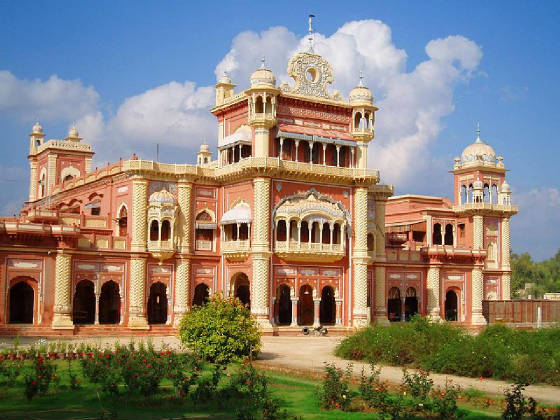
Alphabetical list of former British Indian Princely States
A
- Achrol in Rajasthan – Thikana of the Princely State of Jaipur
- Agar
- Agra Barkhera
- Ahmadnagar – salute
- Ajaigarh in Madhya Pradesh – Hereditary salute of 11 guns
- Ajraoda
- Akalkot in Maharashtra
- Akdia
- Ali Rajpur in Madhya Pradesh – Hereditary salute of 11 guns
- Alampur
- Alipura in Madhya Pradesh
- Alwa
- Alwar in Rajasthan – Hereditary salute of 15 guns (17-guns local)
- Amala
- Amarchanta vassal state
- Amarkot (Umerkot) in Sindh, Pakistan
- Amarnaghar in Saurashtra (Gujarat)
- Amb (Tanawal state) Pakistani Frontier state
- Ambliara(also spelled Ambaliyara or Amliara) in Gujarat
- Amethi in Uttar Pradesh
- Amod in Gujarat: although the seat of a Thakore Sahib, the taluka of Amod was administered as part of the Broach District
- Amrapur in Kathiawar;
- Amrapur in Rewa Kantha
- Anandpur
- Anegundi Zamindari
- Anghad
- Angre Political Pensioner
- Ankevalia
- Arcot (the Carnatic) Political Pensioner
- Arnia
- Assam Political Pensioner – roughly the homonymous Indian state
- Athgarh in Orissa
- Athmalik in Orissa
- Aundh in Maharashtra
- Awadh=Oudh Political Pensioner
B
- Babra
- Bagasra
- Bagasra Hadala
- Bagasra Khari
- Bagasra Natwar
- Bagasra Ram
- Baghal in Himachal Pradesh (Punjab Hills States)
- Baghat in Himachal Pradesh
- Bagli
- Bahawalpur in Pakistan
- Bai
- Bajana in Saurashtra
- Bakhtgarh
- Balasinor in Bombay – Hereditary salute of 9 guns
- Balsan in Himachal Pradesh
- Baltistan (western Tibetan kingdom, since 1840 subject to Kashmir) in Pakistan-administered Kashmir
- Bamanbor
- Bamra in Orissa
- Banera in Chattisgarh
- Banganapalle in Andhra Pradesh (was in Madras till 1-10-1953) – Hereditary salute of 9 guns
- Banka Pahari in Madhya Pradesh
- Bansda in Bombay – Hereditary salute of 9 guns
- Banswara in Rajastahn – Hereditary salute of 15 guns
- Bantva Manavadar
- Bantva Sardargadh
- Baoni in utter Pradesh(kadaura) – Hereditary salute of 11 guns
- Baramba in Orissa
- Baraundha – Hereditary salute of 9 guns = Baraundha Pathar Kachhar in Madhya Pradesh – salute
- Bardia
- Baria – Hereditary salute of 9 guns (11-guns personal) = Bariya in Bombay
- Barkhera Deo Dungri
- Barkhera Panth
- Baroda State in Bombay – Hereditary salute of 21 guns
- Barvala = Barwala in Saurashtra originally belongs to gedi limbadi state
- Barwani in Madhya Pradesh – Hereditary salute of 11 guns
- Bashahr in Himachal Pradesh – Personal salute of 9 guns
- Basoda
- Bastar in Madhya Pradesh
- Bavda vassal state
- Beja in Himachal Pradesh
- Benares in Uttar Pradesh – Hereditary salute of 13 guns (15-guns local)
- Bengal Political Pensioner – new title Nawab of Murshidabad (their new capital)
- Beri (Behri) in Uttar Pradesh
- Bhabhar
- Bhadarwa
- Bhadaura
- Bhadli
- Bhadvana
- Bhadwa
- Bhagat in Himachal Pradesh
- Bhaisola
- Bhajji in Himachal Pradesh
- Bhalala
- Bhandaria
- Bharatpur in Rajasthan – Hereditary salute of 17 guns (19-guns local)
- Bharejda
- Bharudpura
- Bhathan
- Bhatkeri
- Bhavnagar in Saurashtra – Hereditary salute of 13 guns (15-guns local)
- Bhawal
- Bhioldia
- Bhimoria
- Bhoika
- Bhojakheri
- Bhojavadar
- Bhopal in Madhya Pradesh – Hereditary salute of 19 guns (21-guns local)
- Bhor in Maharashtra – Hereditary salute of 9 guns
- Bhorole
- Bichhrand Junior
- Bichhrand Senior
- Bihat in Madhya Pradesh
- Bihora
- Bija
- Bijawar in Madhya Pradesh – Hereditary salute of 11 guns
- Bijna in Madhya Pradesh
- Bikaner in Rajasthan – Hereditary salute of 17 guns (19-guns local)
- Bilaspur in Himachal Pradesh – Hereditary salute of 11 guns
- Bilaud
- Bilauda
- Bilbari very small princely state in India
- Bildi
- Bilkha in Saurashtra
- Boad
- Bodanones
- Bolundra
- Bonai in Orissa
- Borkhera (Indore)
- Borkhera (Malwa)
- Boudh in Orissa
- Bundi in Rajasthan – Hereditary salute of 17 guns
C
- Cambay=Kambay in Bombay – Hereditary salute of 11 guns
- Cannanore
- Carnatic
- Chachana
- Chamardi
- Chamba in Himachal Pradesh – Hereditary salute of 11 guns
- Changbhakar in Madhya Pradesh
- Charkha
- Charkhari in Madhya Pradesh – Hereditary salute of 11 guns
- Chera
- Chhaliar
- Chhatarpur in Madhya Pradesh – Hereditary salute of 11 guns
- Chhota Barkhera
- Chhota Udaipur=Chhota Udepur in Bombay – Hereditary salute of 9 guns
- Chhuikadan in Madhya Pradesh
- Chiktiabar
- Chinchli Ghabad
- Chiroda
- Chitral Pakistani Frontier State
- Chitravao
- Chobari
- Chok
- Chorangla
- Chotila
- Chuda in Saurashtra
- Chudesar
- Cochin in Kerala – Hereditary salute of 17 guns
- Cooch Behar in West Bengal – Hereditary salute of 13 guns
- Coorg Political pensioner
- Cutch =Kutch in Saurashtra – Hereditary salute of 17 guns (19-guns local)
D
- Dabha
- Dabr
- Dadhalia
- Dahida
- Danta in Bombay – Hereditary salute of 9 guns
- Daphlapur
- Darbhanga
- Daria Kheri
- Darkoti in Himachal Pradesh
- Darod
- Daryabad
- Dasada
- Daspalla in Orissa
- Datia in Madhya Pradesh – Hereditary salute of 15 guns
- Datva vassal state
- Debhavati
- Dedarda
- Dedhrota in Bombay
- Delath, a tributary of Bashahr, in Himachal Pradesh
- Delhi (Mughal Emperor)
- Deloli
- Deodar in Gujarat
- Derdi Janbai
- Derol
- Devalia
- Devlia
- Dewas Junior Branch in Madhya Pradesh – Hereditary salute of 15 guns
- Dewas Senior Branch in Madhya Pradesh – Hereditary salute of 15 guns
- Dhabla Dhir
- Dhabla Ghosi
- Dhamasia
- Dhami
- Dhamri in Himachal Pradesh
- Dhaora Ghanjara
- Dhar in Madhya Pradesh – Hereditary salute of 15 guns
- Dharampur in Bombay – Hereditary salute of 9 guns (11-guns personal)
- Dharnauda
- Dhenkanal in Orissa
- Dhola
- Dholarva
- Dholpur in Rajasthan – Hereditary salute of 15 guns (17-guns personal)
- Dhrangadhra -Halvad in Saurashtra – Hereditary salute of 13 guns
- Dhrol in Saurashtra – Hereditary salute of 9 guns
- Dhulatia
- Dhurwai in Madhya Pradesh
- Dir (Dhir) Pakistani Frontier State
- Dodka
- Drapha
- Dudhpur
- Dudhrej
- Dugri
- Dujana in Punjab (now in Haryana)
- Dungapur/Dungarpur in Rajasthan – Hereditary salute of 15 guns
F
- Faridkot in PEPSU – Hereditary salute of 11 guns
G
- Gabat
- Gad Boriad
- Gadhali
- Gadhia
- Gadhka
- Gadhula
- Gadvi
- Gadwal vassal state
- Gandhol
- Gangpur in Orissa
- Garamli Moti
- Garamli Nahani
- Garrauli in Madhya Pradesh
- Gaurihar in Madhya Pradesh
- Gavridad
- Gedi
- Ghodasar = Ghodsar in Maharashtra
- Gigarsaran
- Gohad
- Gondal in Saurashtra – Hereditary salute of 11 guns
- Gopalpet vassal state
- Gotardi
- Gothda
- Gundh in Himachal Pradesh
- Gundiali
- Gurgunta vassal state
- Gwalior in Madhya Pradesh – Hereditary salute of 21 guns
H
- Halvadin surendranagar (Gujarat)
- Halaria
- Hapa in Bombay
- Hadol in Mehasana (Gujarat)
- Hindol in Orissa
- Hindur
- Hirapur
- Hunza Pakistani Frontier State
- Hyderabad – Hereditary salute of 21 guns
- Halduar now (Bijnor) district in Uttar Pradesh
- Hirpura
I
- Ichalkaranji vassal state
- Idar in Bombay – Hereditary salute of 15 guns
- Ilol in Bombay
- Ilpura
- Indore in Madhya Pradesh – Hereditary salute of 19 guns (21-guns local)
- Itria
- Itvad
J
- Jabria Bhil
- Jadawata
- Jafrabad in Saurashtra
- Jafarabad and Janjira fusion of both states named
- Jaipur in Rajasthan – Hereditary salute of 17 guns (19-guns local)
- Jaisalmer in Rajasthan – Hereditary salute of 15 guns
- Jakhan
- Jalia Devani=Jaliadevani in Saurashtra
- Jalia Kayaji
- Jalia Manaji
- Jambughoda or Jambuodha in Bombay
- Jamkhandi in Bombay
- Jammu in Jammu and Kashmir – Hereditary salute of 21 guns
- Jamnia
- Janjira in Bombay – Hereditary salute of 11 guns (13-guns local)
- Jaora in Madhya Pradesh – Hereditary salute of 13 guns
- Jasdan in Saurashtra
- Jashpur
- Jashur in Madhya Pradesh
- Jaso in Madhya Pradesh
- Jath in Bombay
- Jatprole vassal state
- Jawalgiri vassal state
- Jawasia
- Jawhar in Bombay – Hereditary salute of 9 guns
- Jesar
- Jetpur in Saurashtra
- Jhabua in Madhya Pradesh – Hereditary salute of 11 guns
- Jhalawar in Rajasthan – Hereditary salute of 13 guns
- Jhalera
- Jhamar
- Jhamka
- Jhampodar
- Jhari Gharkadhi
- Jhinyuvada
- Jigni in Madhya Pradesh
- Jiliya in Rajasthan
- Jind in PEPSU – Hereditary salute of 13 guns (15-guns personal and local)
- Jiral Kamsoli
- Jobat in Madhya Pradesh
- Jodhpur in Rajasthan – Hereditary salute of 17 guns (19-guns local)
- Jubbal in Himachal Pradesh
- Jumkha
- Junagadh – Hereditary salute of 13 guns (15-guns personal and local)
- Junapadar
K
- Kachchi Baroda
- Kadana
- Kagal Junior vassal state
- Kagal Senior vassal state
- Kahlur = Kehloor – former names of Bilaspur in Himachal Pradesh
- Kaithal
- Kalahandi in Orissa – Hereditary salute of 9 guns
- Kalat in Pakistani Baluchistan
- Kali Baori
- Kalsia in PEPSU
- Kalu Khera
- Kamalpur (Bombay)
- Kamalpur (Central India)
- Kambay = Cambai in Bombay – Hereditary salute of 11 guns
- Kambhala
- Kamta Rajaula
- Kanada
- Kaner
- Kangra-Lambagraon
- Kanika
- Kanjarda
- Kanker
- Kankrej
- Kanksiali
- Kanpur Ishwaria
- Kanta Rajaulia in Madhya Pradesh
- Kantharia
- Kapshi vassal state
- Kapurthala in PEPSU – Hereditary salute of 13 guns (15-guns personal and local)
- Karaudia
- Karauli in Rajasthan – Hereditary salute of 17 guns
- Kariana
- Karmad
- Karol
- Kashmir in Jammu & K.
- Kasla Pagina Muvada
- Kassalpura
- Kathaun
- Kathiawar – also name of the large Gujarati peninsula, roughly corresponding to Saurashtra (divided into numerous minor (e)states)
- Kathrota
- Katodia
- Katosan
- Kawardha in Madhya Pradesh
- Kayatha
- Kehloor = Kahlur – former names of Bilaspur in Himachal Pradesh
- Keonjhar in Orissa
- Keonthal in Himachal Pradesh
- Kerwada
- Kesria
- Khadal in Bombay
- Khairagarh in Madhya Pradesh
- Khairpur in Pakistan
- Khajuri
- Khamblav
- Khandia
- Khaneti, a tributary of Bashahr
- Khandpara in Orissa
- Khandpara
- Khaniadhana in Madhya Pradesh
- Kharan in Pakistani Baluchistan
- Kharsawan in Bihar
- Kharsi
- Khedawada
- Kherali
- Kherawara
- Kherwasa
- Kheri Rajpur
- Khetri vassal state
- Khiauda
- Khijadia (Gohilwar)
- Khilchipur in Madhya Pradesh – Hereditary salute of 9 guns
- Khirasra in Saurashtra
- Khojankhera
- Khudadad the state of Tippu Sultan – his heirs became Political Pensioner
- Khyrim
- Kiari see Madhan in Himachal Pradesh
- Kirli
- Kishangarh in Rajasthan – Hereditary salute of 15 guns
- Kolara Political Pensioner
- Kolhapur in Bombay – Hereditary salute of 19 guns
- Koriya (Korea) in Madhya Pradesh
- Kotah in Rajasthan – Hereditary salute of 17 guns (19-guns personal)
- Kotda Nayani in Saurashtra
- Kotda Pitha in Saurashtra
- Kotda Sangani in Saurashtra
- Kotharia in Saurashtra
- Kothi in Madhya Pradesh
- Kuba (not Quba in Armenia!)
- Kumarsain in Himachal Pradesh = Kumharsain
- Kunihar in Himachal Pradesh
- Kurandvad?Kurundvad Junior Branch
- Kurandvad Senior Branch
- Kurnool Political Pensioner
- Kurwai in Madhya Pradesh
- Kushalgarh
- Kutch=Cooch in Saurashtra
- Kuthar in Himachal Pradesh
L
- Labhowa Uttar Pradesh
- Lakhapadar
- Lakhtar in Saurashtra
- Lalgarh
- Laliyad
- Landhora
- Langrin
- Las Bela in Pakistani Baluchistan
- Lathi in Saurashtra
- Lavej
- Lawa in Rajasthan
- Likhi
- Limbda – Limbdi in Saurashtra – Hereditary salute of 9 guns
- Lodhika
- Logasi in Madhya Pradesh
- Loharu in Punjab (now in Haryana) – Hereditary salute of 9 guns
- Lugasi
- Lunavada=Lunawanda in Bombay = Lunawarda Lunawara – Hereditary salute of 9 guns
M
- Madhan = Kiari in Himachal Pradesh
- Mogalthur in Andhra Pradesh
- Magodi in Bombay
- Maguna in Bombay
- Maharam
- Mahlog = Mahilog in Himachal Pradesh
- Maihar in Madhya Pradesh – Hereditary salute of 9 guns
- Mahmudpura
- Makrai in Madhya Pradesh
- Makran in Pakistani Baluchistan
- Maksudangarh
- Malaudh one of the Phulkian princely States in Punjab
- Malerkotla=Maler Kotla in PEPSU – Hereditary salute of 11 guns
- Malaisohmat
- Malia = Maliya in Saurashtra
- Malpur in Bombay
- Manavadar
- Mandavad officially also called Nawa-Visavadar until Independence.
- Mandholi in Rajasthan, a thikana under Torawati in Jaipur state.
- Mandi in Himachal Pradesh – Hereditary salute of 11 guns
- Mandva in Bombay = Mandwa
- Mangal in Himachal Pradesh
- Mangam
- Mangrol
- Manipur
- Mansa
- Maoang
- Maosangram
- Mariaw
- Masulipatam Political Pensioner
- Mathwar
- Matra Timba
- Mayurbhanj in Orissa – Hereditary salute of 9 guns
- Men
- Mengani
- Mevasa
- Mevli
- Mewar, or after its capital Udaipur – The first and foremost of all states in British India, Hereditary salute of 19 guns (21-guns local), soon full 21-guns
- Miohanpur in Bombay
- Miraj Junior Branch in Bombay
- Miraj Senior Branch in Bombay
- Mirpur in Pakistan
- Mohanpur
- Moka Pagina Muvada
- Monvel
- Morchopna
- Morvi in Saurashtra – Hereditary salute of 11 guns
- Mota Barkhera
- Mota Kotharna
- Mowa
- Mudhol in Bombay – Hereditary salute of 9 guns
- Muhammadgarh in Madhya Pradesh
- Muli in Saurashtra
- Mulia Deri
- Multhan
- Munjpar
- Murshidabad Political Pensioner- new seat of the former rulers of (Greater) Bengal
- Mylliem
- Mysore (modern Maisuru) in Madras – Hereditary salute of 21 guns
N
- Nabha in PEPSU – Hereditary salute of 13 guns (15-guns local)
- Nagar Pakistani Frontier State
- Nagod – Hereditary salute of 9 guns = Nagodh in Madhya Pradesh
- Nagpur in Madhya Pradesh- Political Pensioner
- Nahara
- Naigawan Ribai
- Nalagarh in PEPSU
- Nalagarh in Himachal Pradesh
- Nalia
- Nandgaon in Madhya Pradesh
- Narsingarh in Madhya Pradesh – Hereditary salute of 11 guns
- Narsinghpur in Orissa
- Narukot
- Narwar
- Nashipur
- Naswadi
- Naugaon
- Naulana
- Navagarh
- Nawanagar in Saurashtra – Hereditary salute of 13 guns (15-guns local)
- Nayagarh in Orissa
- Nilgiri in Orissa
- Nilvala
- Nimkhera
- Nobo Sohoh
- Noghanvadar
- Nongklao
- Nongspung
- Nongstoin
O
- Orchha in Madhya Pradesh – Hereditary salute of 15 guns
- Oudh = Awadh Political Pensioner – salute
P
- Peddapuram in Andhra Pradesh
- Pachegam
- Pah
- Pahara in Madhya Pradesh =Pahra
- Paigah vassal state
- Pal
- Palaj in Bombay
- Palali
- Palanpur in Bombay – Hereditary salute of 13 guns
- Palasni
- Palasvihir
- Paldeo in Madhya Pradesh
- Palitana in Saurashtra – Hereditary salute of 9 guns
- Paliyad
- Pal Lahara in Orissa =Pal Lahera
- Palsani
- Panch Mahal Maroth in Rajasthan
- Panchvada
- Pandu
- Panna in Madhya Pradesh – Hereditary salute of 11 guns
- Pantalvadi
- Panth Piploda
- Paron
- Partabgarh in Rajasthan – Hereditary salute of 15 guns
- Patan or Torawati in Rajasthan, vassal state to Jaipur
- Pataudi in Punjab (now in Haryana)
- Patdi in Saurashtra
- Pathari in Madhya Pradesh = Patharia
- Patiala in PEPSU – Hereditary salute of 17 guns (19-guns local)
- Patna in Orissa – Hereditary salute of 9 guns
- Pethapur
- Phaltan in Bombay
- Phulera
- Pimladevi
- Pimpri
- Piplia Sisodia
- Piplianagar
- Piploda in Madhya Pradesh
- Poicha
- Pol
- Poonch vassal state
- Porbandar in Saurashtra – Hereditary salute of 13 guns
- Prempur in Bombay
- Pudukottai in Madras – Hereditary salute of 11 guns
- Punadra
- Punial Pakistani Frontier State
- Punjab Political Pensioner – salute
- Pundara in Bombay
- Palvancha Biggest Principality in Telengana Region(Under Nizam)
R
- Radhanpur in Gujarat – Hereditary salute of 11 guns
- Raghugarh
- Rahrakhol
- Raigarh in Madhya Pradesh
- Rairakhol in Orissa
- Rai Sankli
- Rajgarh in Madhya Pradesh – Hereditary salute of 11 guns
- Rajpara (Gohilwar)
- Rajpara (Halar)
- Rajkot in Saurashtra – Hereditary salute of 9 guns
- Rajpipla in Gujarat – Hereditary salute of 13 guns
- Rajpur (Kathiawar) in Saurashtra
- Rajpur (Rewa Kantha) in Saurashtra
- Ramanka
- Ramas
- Rambrai
- Ramdurg in Bombay
- Ramgarh
- Ramgadi estate in Uttar Pradesh – Hereditary salute of 9 guns
- Rampur in Uttar Pradesh – Hereditary salute of 15 guns
- Rampura
- Ramnad estate (Ramanathapuram) in Tamil Nadu
- Ranasan in Bombay
- Randhia
- Raj-Ranpur in Orissa
- Ratanmal
- Ratanpur Dhamanka
- Ratesh a zaildar in Keonthal in Himachal Pradesh
- Ratlam in Madhya Pradesh – Hereditary salute of 13 guns (15-guns local)
- Rawin = Rawingarh, a tributary of Jubbal in Himachal Pradesh
- Regan
- Rewa=Rewah in Madhya Pradesh – Hereditary salute of 17 guns
- Rohisala
- Rudrapur= In Deoria District of Uttar Pradesh -Satashi Naresh
- Rupal
S
- Sachin – Hereditary salute of 9 guns
- Sada Kheri
- Sahuka
- Sailana in Madhya Pradesh – Hereditary salute of 11 guns
- Sakti in Madhya Pradesh
- Samadhiali
- Samla
- Samode vassal state
- Samthar in Madhya Pradesh – Hereditary salute of 11 guns
- Sahaspur-bilari Uttar Pradesh- title of RAJA BAHADUR
- Sanala
- Sandur in Karnataka (was in Madras Presidency before 1-10-1953)
- Sangli in Bombay – Hereditary salute of 9 guns (11-guns personal)
- Sangri in Himachal Pradesh
- Sanjeli in Bombay
- Sanor
- Sanosra
- Sant in Bombay – Hereditary salute of 9 guns
- Santalpur (Adesar)
- Sarangarh in Madhya Pradesh
- Sarila in Madhya Pradesh
- Satanones
- Sarangarh
- Sarila
- Satara Political Pensioner – cfr. the Peshwa’s Maratha confederation
- Sathamba in Bombay
- Satlasna
- Satodad Vavdi
- Savantvadi=Savantwadi in Bombay – Hereditary salute of 9 guns (11-guns local)
- Savanur in Bombay
- Sayla in Saurashtra
- Sejakpur
- Seraikela= Seraikhela in Bihar
- Shahpur
- Shahpura in Rajasthan – Hereditary salute of 9 guns
- Shajaota
- Shanor
- Sheogarh
- Sheopur-Baroda
- Shevdivadar
- Shivabara
- Shorapur vassal state
- Siba -No Salute (a sovereign Princely State of Punjab Hills up to 1947)
- Sidki
- Sihora
- Sikkim (a Himalayan constitutive state since Indian annexation) – Hereditary salute of 15 guns
- Silana
- Sindh in Pakistan (khanate extinguished in 1843)
- Sindhiapura
- Singhana
- Sirguja
- Sirmur in Himachal Pradesh – Hereditary salute of 11 guns
- Sirohi in Rajasthan – Hereditary salute of 15 guns
- Sirsi (Gwalior)
- Sirsi (Malwa)
- Sitamau in Madhya Pradesh – Hereditary salute of 11 guns
- Sohawal in Madhya Pradesh
- Sonepur in Orissa – Hereditary salute of 9 guns
- Songad
- Sonkhera & Sarwan
- Sudamra
- Sudasna in Bombay
- Suigam
- Suket in Himachal Pradesh – Hereditary salute of 11 guns
- Sundem
- Sunth
- Surat Political Pensioner
- Surgana in Bombay
- Surguja in Madhya Pradesh
- Sutalia
- Swat Pakistani Frontier State
- [Sidhowal{India}in Punjab]
- Srikalahasti under Madras Presidency-sold Area of Madras to East India Company
T
- Tuni in Andhra Pradesh
- Tajpuri in Bombay
- Tal
- Talegaon Dabhade vassal state
- Talcher in Orissa
- Talsana
- Tanawal state (see Amb) Pakistani Frontier state
- Tanjore Political Pensioner
- Tappa
- Taraon in Madhya Pradesh
- Tavi
- Tehri Garhwal in Uttar Pradesh – Hereditary salute of 11 guns
- Tejpura
- Tervada
- Thana Devli
- Tharad & Morwara
- Tharoch in Himachal Pradesh
- Tigiria? Tigria in Orissa
- Timba
- Toda Todi
- Tonk in Rajasthan – Hereditary salute of 17 guns
- Torgal vassal state
- Tori Fatehpur in Madhya Pradesh
- Travancore in Kerala – Hereditary salute of 19 guns
- Tripura in colonial Assam (now a separate state) – Hereditary salute of 13 guns
- House of Tulsipur One of Taluqs of Oudh – Formerly Tulsipur-Dang, one of 22 Principalities in Nepal
U
- Uchad
- Udaipur, Chhattisgarh
- Udaipur capital of Mewar in Rajasthan – Hereditary salute of 19 guns (21-guns local), soon full 21-guns
- Umeta In Gujurat of Thakore Jagdevsinhji Ramsinhji Padhiar
- Umri (Bombay)
- Umri (Central India)
- Uni
- Untdi
- Upawara
V
- Vizianagaram The only (Kshatriya-Suryavansh)Rajput Kingdom in South India (Andhra Pradesh)
- Vadal
- Vadali
- Vadia in Saurashtra
- Vadod (Gohilwar)
- Vadod (Jhalawar)
- Vaghvadi
- Vajiria
- Vakhatpur in Bombay = Vakhtapur
- Vallabhpur
- Vala in Saurashtra
- Valasna in Bombay
- Vana
- Vanala
- Vanghdhra
- Vanod in Saurashtra
- Varagam
- Varnol Mal
- Varnoli Moti
- Varnoli Nani
- Varsoda in Bombay
- Vasan Sewada
- Vasan Virpur
- Vasna in Bombay
- Veja-no-ness
- Vekaria
- Vichhavad
- Vijanones
- Vijayanagar in Bombay
- Virampura
- Virpur in Saurashtra
- Virsora
- Virvao
- Vishalgarh vassal state
- Vithalgarh
- Vora
W
- Wadagam
- Wadi
- Wai
- Wadhwan in Saurashtra – Hereditary salute of 9 guns
- Wadi jagir in Bombay
- Wanapurthy vassal state
- Wankaner in Saurashtra – Hereditary salute of 11 guns
- Wao in Bombay
- Warahi
- Wasna
Z
- Zainabad or Zainbad